Understand Your Rights. Solve Your Legal Problems


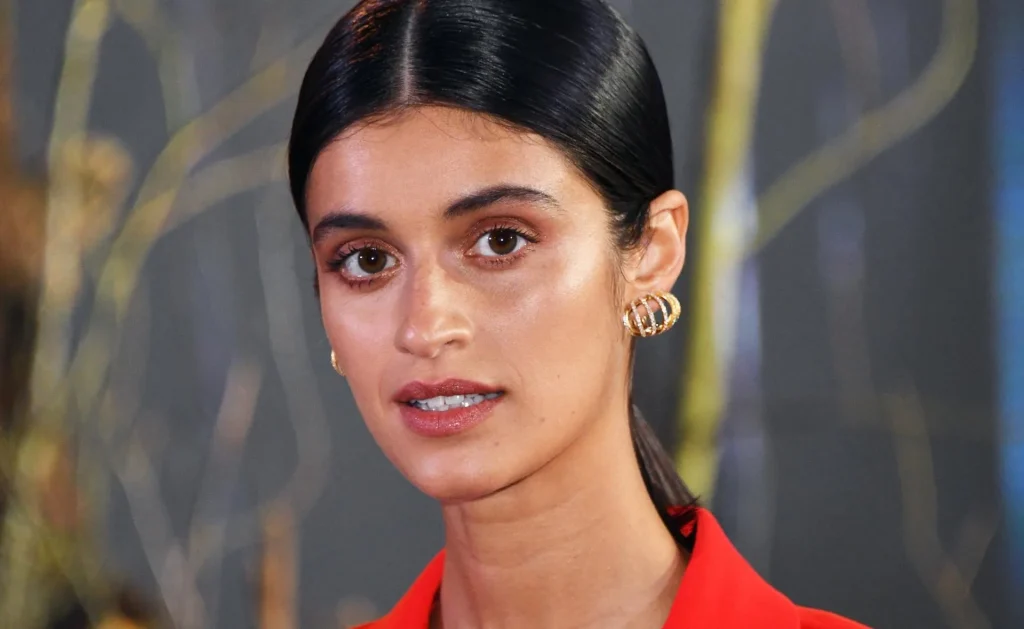
When The Guardian published its candid October 2025 interview with Anya Chalotra, the 30-year-old actor revealed something quietly devastating: that years of online abuse from parts of The Witcher fandom had driven her off social media entirely.
“I wrapped The Witcher for good yesterday,” she told The Guardian. “Forgive me if I can’t string a sentence together. It’s all very odd … I cried a lot.”
Behind that exhaustion lies a much bigger issue—one that’s both legal and cultural. Chalotra’s experience has reignited a growing conversation around digital harassment laws, accountability for toxic online behaviour, and what rights both celebrities and ordinary people have when social media turns hostile.
Chalotra’s withdrawal from social platforms isn’t just a personal decision—it’s a case study in how the internet’s worst corners can blur the line between criticism and criminality.
Under UK law, harassment and online abuse are prosecutable offences. The Protection from Harassment Act 1997 and Malicious Communications Act 1988 both make it illegal to send messages or post content intended to cause alarm, anxiety, or distress. The newer Online Safety Act 2023 goes even further, holding social media companies themselves legally responsible for removing harmful content or face penalties from Ofcom.
In plain English: you can’t hide behind “free speech” to abuse someone repeatedly online—and platforms can no longer look away.
A 2024 Ofcom survey found that nearly half of UK adults have experienced digital harassment, while over 4,000 people in England and Wales were charged under online communications laws in the last recorded year—a 26% increase since 2019.
For anyone facing sustained abuse—celebrity or not—the law is now clear:
Save screenshots and timestamps as digital evidence.
Report the content to the platform (they’re legally obliged to respond).
Contact the police if threats continue—harassment can result in fines or prison sentences.
Seek advice from cyber law experts or digital rights groups; many now offer free consultations.
For Chalotra, stepping back was a way of reclaiming peace. For the rest of us, it’s a reminder that online abuse isn’t just cruelty—it’s a criminal offence.
Born in Wolverhampton to an Indian father and English mother, Chalotra’s multicultural upbringing shaped the curiosity that drives her craft. “I watched a lot of Bollywood as a kid,” she told The Guardian. “I loved musicals, film—watching very different experiences of people on stage, on screen.”
Her passion led her to the London Academy of Music & Dramatic Art and then the Guildhall School of Music & Drama. She was 23 when she was cast as Yennefer of Vengerberg, The Witcher’s powerful sorceress whose transformation from disfigured outcast to mage-general mirrored her own evolution in the public eye.
For nearly seven years, The Witcher consumed Chalotra’s life. Much of it was filmed at Longcross Studios in Surrey and across Wales—eight months a year of living inside another world.
“You don’t realize how much it consumes you until you stop,” she said. “I’d get home, eat, shower, and it felt like washing off Yennefer. She’s powerful, but she’s heavy too.”
The series became one of Netflix’s biggest hits, and her portrayal drew global praise for grounding a fantasy character in emotional realism. “I was sat there yesterday watching everyone work,” she recalled. “You know these people … everyone works so hard on the show. I’m going to miss everyone’s faces.”
When Chalotra was announced as Yennefer in 2018, some corners of fandom erupted—objecting to her casting because she didn’t “match” their imagined version from the books or games. “The first season, for me … there was a lot of negativity,” she told The Guardian. “A lot of positive too, but obviously the negative … it hit me hard.”
Her response—leaving social media—wasn’t just self-care; it was survival. Like many actors of colour, she became the target of racially coded criticism disguised as “canon debate.” It’s an issue that has now forced streaming platforms to confront their own responsibilities under the UK’s expanding online safety framework.
When Henry Cavill left The Witcher after season three, some feared the end was near. Chalotra, however, told The Guardian she never doubted its future: “With the love for the material, I always knew it would continue.”
Liam Hemsworth’s arrival, she said, brought a new energy to set. “We just wanted to make space for Liam. He understands people. He understands this world. He came in so naturally. It was really easy.”
After seven years, Chalotra says she’s finally made peace with moving on. “This character’s in me, and I’ve let her go,” she said. “So it’s not sad at all really—it’s a new beginning.”
Even on her last day, she caught herself making “whoosh” and “fzzzzt” noises while casting spells—a reminder that after years of playing Yennefer, the magic had become muscle memory.
Chalotra’s next chapter is already taking shape. She stars alongside Ralph Ineson and Euphoria’s Chloe Cherry in Two Neighbors, a dark thriller that premiered at the Edinburgh Film Festival. She’s also the voice lead in the upcoming video game Unknown 9: Awakening and has teased plans to “rewild” her life—her word for slowing down and rediscovering balance.
“The next stage of my life is about stillness,” she said. “After The Witcher, you crave real life again.”
Yennefer of Vengerberg will forever stand as one of fantasy’s most layered heroines—brilliant, flawed, and unapologetically human. Chalotra’s portrayal didn’t just reshape The Witcher franchise; it redefined what strength looks like in modern storytelling.
And while she may have stepped away from the chaos of social media, her influence is undeniable. By confronting both the beauty and brutality of fame in the digital era, Anya Chalotra has done more than close a chapter—she’s written a new one on resilience, representation, and the legal reckoning of the online age.
Is Anya Chalotra returning for Season 5 of The Witcher?
Yes. The fourth and fifth seasons were filmed together, meaning she will appear through the show’s conclusion in 2026.
Why did Henry Cavill leave The Witcher?
Cavill reportedly departed due to creative differences and scheduling conflicts, wanting a portrayal more faithful to Andrzej Sapkowski’s books.
What laws protect people from online abuse?
UK residents are protected under the Online Safety Act 2023, Protection from Harassment Act 1997, and Malicious Communications Act 1988, all of which make repeated digital abuse and threats illegal.
What’s next for Anya Chalotra?
She stars in Two Neighbors and Unknown 9: Awakening, while taking time to reset after nearly a decade inside one of Netflix’s biggest franchises.
Chalotra’s story highlights the intersection of fame, race, and online harassment law in modern media.
The UK’s Online Safety Act 2023 gives new power to victims of digital abuse, holding both perpetrators and platforms accountable.
Her decision to step away from social media underscores how psychological safety now sits at the heart of the entertainment industry’s legal landscape.
As The Witcher enters its final chapter, Anya Chalotra’s journey becomes a case study in both resilience and the rule of law online.
From Wolverhampton to the world stage, from fan fury to fierce independence, Anya Chalotra’s greatest transformation wasn’t as Yennefer—it was as herself.