A Breaking Turn in a Case Once Viewed Worldwide
A dramatic reversal unfolded in federal court last week when Summer Heather Worden admitted she lied to investigators about claims that her former spouse, NASA astronaut Anne McClain, accessed a bank account from orbit. The plea, entered in Texas, brings an abrupt end to an accusation that once drew global attention and triggered one of the most unusual federal reviews to ever intersect with a space mission.
:max_bytes(150000):strip_icc():focal(749x226:751x228):format(webp)/astronaut-anne-mcclain-111825-dbaad5ad7d904a37a543e84f7e46f3c7.jpg)
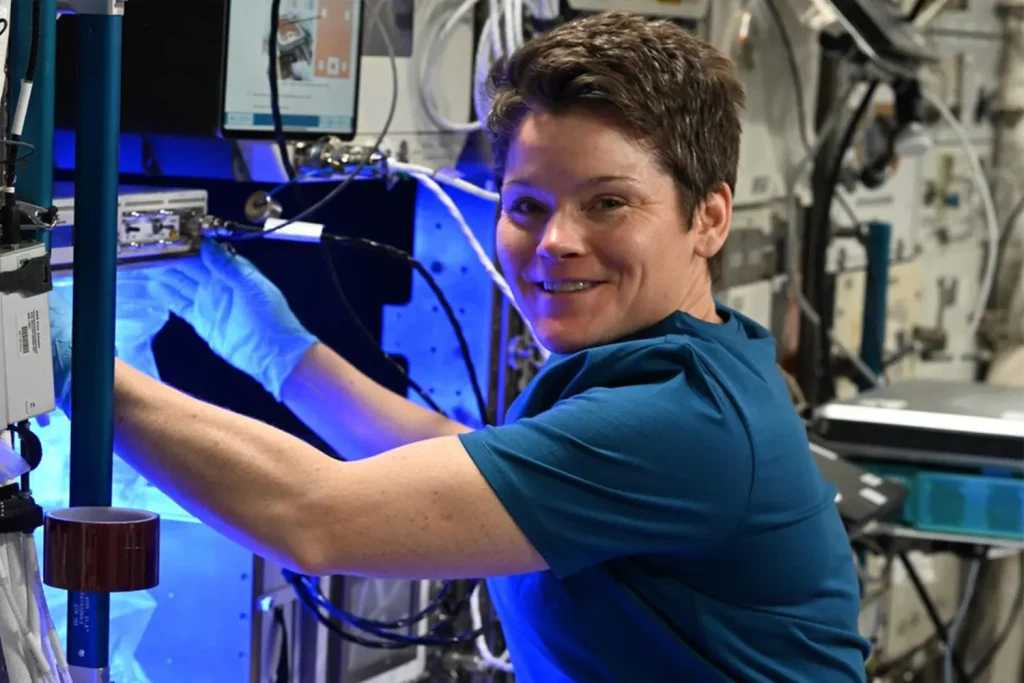
Anne McClain in March. The NASA astronaut works on scientific equipment aboard the International Space Station.
Who Was Involved — And Why This Case Spread So Fast
McClain, a respected astronaut and Army veteran, became the center of headlines after Worden alleged her account was accessed during McClain’s stay aboard the International Space Station. The idea of a possible crime committed in orbit immediately captured public imagination, raising questions about jurisdiction and oversight far beyond Earth.
Worden’s plea now confirms investigators’ findings that no improper access occurred.
What Investigators Actually Determined
Federal authorities reviewed account records, login history, and access logs tied to the disputed financial account. According to prosecutors, the evidence showed the account had been shared during the marriage and used by both spouses for years. Access changes later made by Worden appeared unrelated to any activity in orbit.
These findings undercut the core allegation, leading authorities to determine that the statements provided to investigators were false.
Why the Accusation Escalated
The claims surfaced during a contentious period in the couple’s breakup. Their separation included disputes over finances and the care of Worden’s young son. While the personal conflict was real, prosecutors concluded the criminal allegation itself did not hold up.
Worden has now acknowledged she provided incorrect information during the federal inquiry — a separate offense under U.S. law.
How Federal False-Statement Charges Actually Work
Under 18 U.S.C. § 1001, it is a federal crime to knowingly give false or misleading information to government investigators. The law focuses on the act of providing a false statement, not on whether the underlying event happened.
For the public, the key points are straightforward:
-
A person must knowingly make a false statement.
-
The statement must be material, meaning it could influence an investigation.
-
Penalties can include prison time, fines, or both, depending on the case.
-
A false-statement charge is independent of whether the original allegation had merit.
This law is one of the most frequently used tools in federal investigations.
What Happens Next in Court
Worden remains free pending sentencing, which is scheduled for early 2026. A federal judge will determine the final penalty after reviewing the facts, court filings, and sentencing guidelines. McClain has not faced any charges and continues her career following her most recent mission.