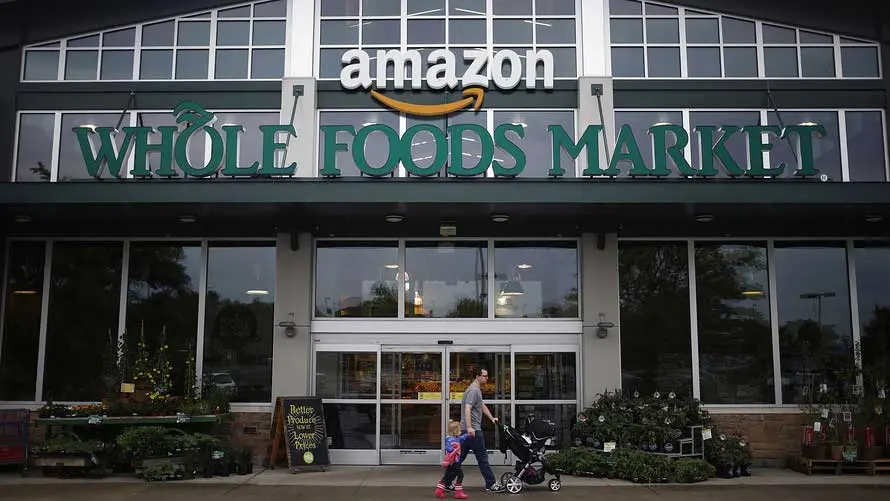
Inside the 'Amazonification' of Whole Foods: The Growing Fear Among Workers
When Amazon bought Whole Foods in 2017, the move sent shockwaves through both Wall Street and Main Street. Shoppers hoped the tech giant’s influence might make organic groceries more affordable.
Employees hoped the beloved grocery chain would keep its soul. Eight years later, both hopes are fading fast.
The End of an Era?
Across the country, longtime Whole Foods shoppers are noticing subtle but unsettling changes. Shelves once dedicated to small-batch local products now share space with Amazon-branded snacks, sodas, and pre-packaged foods.
In a pilot store outside Philadelphia, customers can even order Pepsi or Doritos via the Amazon app -items once unthinkable at the nation’s temple of organic living. The order is quietly fulfilled by warehouse “ShopBots” in the back room.
Amazon says it’s just “evolving the experience.” Critics call it something else: the slow disappearance of Whole Foods as we knew it.
A Culture at Risk
Layoffs have struck the chain’s corporate offices, with CEO Jason Buechel framing them as part of an efficiency drive to “unify” Amazon’s grocery operations. But employees see a deeper shift, one where people are replaced by algorithms and loyalty by data.
“Whole Foods used to feel like family,” says one Philadelphia employee, who’s worked there for nine years. “Now it feels like we’re just another line item on a spreadsheet.”
Even corporate perks are fading. Whole Foods corporate staff moving to Amazon’s payroll will lose bonuses tied to store performance and, eventually, their in-store employee discount. In its place: Amazon stock—volatile and impersonal.
Sales have grown roughly 40% since the 2017 takeover—an average of about 5% a year—but that’s a far cry from the double-digit surges that once defined the brand’s rise.
From Organic Ideals to Digital Efficiency
The tension between Amazon’s profit-driven precision and Whole Foods’ people-centric culture runs deep.
Under founder John Mackey, stores were designed as community hubs—a blend of farmer’s market and neighborhood meeting place. Today, some locations are testing self-checkout systems linked to facial recognition technology and data-driven product placement.
Mackey, who left the company in 2022, recently told the Habits and Hustle podcast:
“We didn’t want to sell to Amazon. It was the best solution to a problem we had. But it’s not the same company anymore.”
For many loyal customers, those words sting.
“Are Amazon’s Whole Foods Layoffs Legal?” What Every Worker Should Know
As Amazon merges its grocery wings and trims staff, the question many workers are asking is simple: Can they really do this?
According to Chaya Mandelbaum, a San Francisco–based employment attorney and former chair of the California Fair Employment and Housing Council, companies like Amazon have broad legal authority to restructure, but the fairness of implementation remains a gray area.
Your Rights Under the WARN Act
The Worker Adjustment and Retraining Notification (WARN) Act requires large employers to give 60 days’ notice before mass layoffs affecting 50 or more employees at a single site.
If notice isn’t provided, affected workers could be entitled to back pay or benefits.
If you’ve been laid off from Whole Foods or another Amazon-owned grocery brand, ask whether WARN Act notice was given in writing. Even if you signed severance documents, you might still be owed compensation.
Automation and Algorithmic Termination
A newer issue gaining attention among labor lawyers is “algorithmic accountability.” As automation replaces more human roles, software systems, not managers are increasingly influencing who keeps a job and who doesn’t.
Legal experts warn that if layoffs or performance evaluations are based on biased or opaque algorithms, employees may have grounds to challenge those decisions under discrimination or labor laws.
The Federal Trade Commission (FTC) and the Equal Employment Opportunity Commission (EEOC) have both issued guidance warning companies against using artificial intelligence in ways that could unfairly impact protected groups or violate workers’ rights.
In practice, that means employers must ensure their AI-driven systems are transparent, auditable, and free of bias—especially when those systems affect hiring, promotion, or termination decisions.
What Workers Can Do
-
Request written notice of your layoff and any internal communications explaining the decision.
-
Document patterns if certain groups (e.g., older workers or long-time employees) appear disproportionately affected.
-
Consult a labor attorney early. Many offer free initial consultations, and collective action is often more powerful than going it alone.
Even in a tech-driven economy, workers are not powerless. Understanding your rights could mean reclaiming thousands in back pay or simply demanding the dignity that automation can’t replace.
The Soul of Whole Foods: What’s Left to Save
John Foraker, CEO of Once Upon a Farm, puts it bluntly:
“Whole Foods has great brand equity. It’s been built up over decades. If I were advising them, I’d say: be super careful.”
That caution seems warranted. As Amazon’s grocery empire expands, the line between convenience and conscience grows thinner.
The new “Amazon Grocery Kiosks” popping up inside flagship stores may offer faster service and lower prices, but for those who once saw Whole Foods as a haven of values-driven retail, it feels like watching an old friend change beyond recognition.
“Amazon hasn’t destroyed Whole Foods,” says Neil Saunders of GlobalData Retail. “But it has stripped away what made it unique.”
For millions of shoppers—and thousands of anxious employees—the real question is whether the Whole Foods spirit can survive its parent’s relentless drive for efficiency.
And for now, the answer may depend less on the robots in the backroom and more on the humans still holding the line at the registers.
People Also Ask (FAQ)
1. Why is Amazon changing Whole Foods so much in 2025?
Amazon is restructuring its grocery operations to reduce overlap between Whole Foods, Amazon Fresh, and Amazon Go. The goal is to cut costs and boost efficiency — but it’s also led to layoffs, automation, and a shift toward more mainstream (and less organic) product lines. For longtime customers, it feels like the soul of Whole Foods is being traded for speed and scale.
2. Are Amazon’s layoffs at Whole Foods legal?
Generally, yes — but with conditions. Under the WARN Act, companies with over 100 employees must give 60 days’ notice before mass layoffs. Employment lawyers say some Whole Foods workers may be eligible for back pay or severance if proper notice wasn’t given. If you’ve been laid off, request written documentation and consult a labor attorney to confirm your rights.
3. Can Whole Foods employees be replaced by robots?
Legally, yes — but it’s a gray area. U.S. labor law doesn’t prohibit automation, but if a company uses algorithms that unfairly target certain groups (like older workers or union organizers), it could face discrimination claims. Legal experts warn that “algorithmic termination” will become a major workplace rights issue over the next decade.
4. Is Whole Foods still truly organic under Amazon?
Whole Foods continues to meet federal organic labeling standards, but many customers feel the store’s identity has changed. Smaller local suppliers have been dropped in favor of national contracts, and shelf space is increasingly shared with Amazon-branded goods. For some loyalists, that’s diluted the authenticity that once defined the chain.
5. What should shoppers and workers watch for next?
Expect more Amazon-style technology — from checkout-free shopping to dynamic pricing. Shoppers should keep an eye on ingredient transparency, while workers should track how layoffs and automation unfold. As labor lawyers note, the key is vigilance: document everything and stay informed about your rights under U.S. employment law.