Understand Your Rights. Solve Your Legal Problems


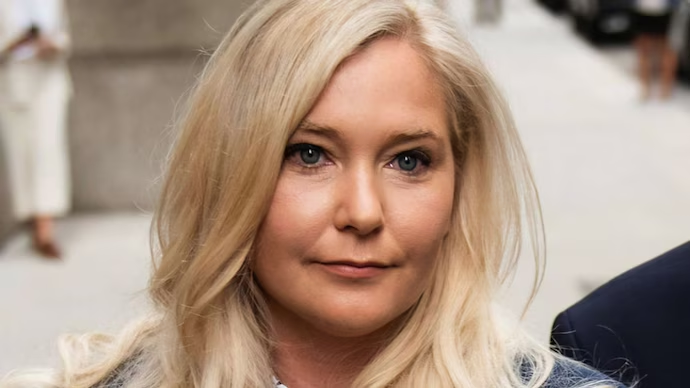
Virginia Giuffre’s posthumous memoir, Nobody’s Girl, has reignited the controversy surrounding Prince Andrew and the Jeffrey Epstein scandal, claiming the Duke of York treated sex with her as his “birthright.”
Completed shortly before her death earlier this year in Australia, the book offers a raw and unflinching account of Giuffre’s teenage years within Epstein’s inner circle, revealing what she describes as a disturbing encounter with the Prince when she was just seventeen.
The 400-page memoir, published by Alfred A. Knopf, has already become one of the most searched releases of 2025, dominating queries such as “Prince Andrew Virginia Giuffre book,” “Nobody’s Girl release date,” and “Epstein survivor memoir.”
Giuffre’s memoir paints an intimate, devastating portrait of her alleged first meeting with Prince Andrew in March 2001. According to her account, she was flown from Tangiers to London alongside Jeffrey Epstein and Ghislaine Maxwell, unaware of what awaited her.
At Maxwell’s Belgravia townhouse, Giuffre recalls being told that she would be “meeting a handsome prince.” The British socialite, she writes, laid out dresses and told her to choose one “something flattering, something royal.”
When Andrew arrived, Giuffre says Maxwell asked him to guess her age. He allegedly smiled and replied, “Seventeen.”
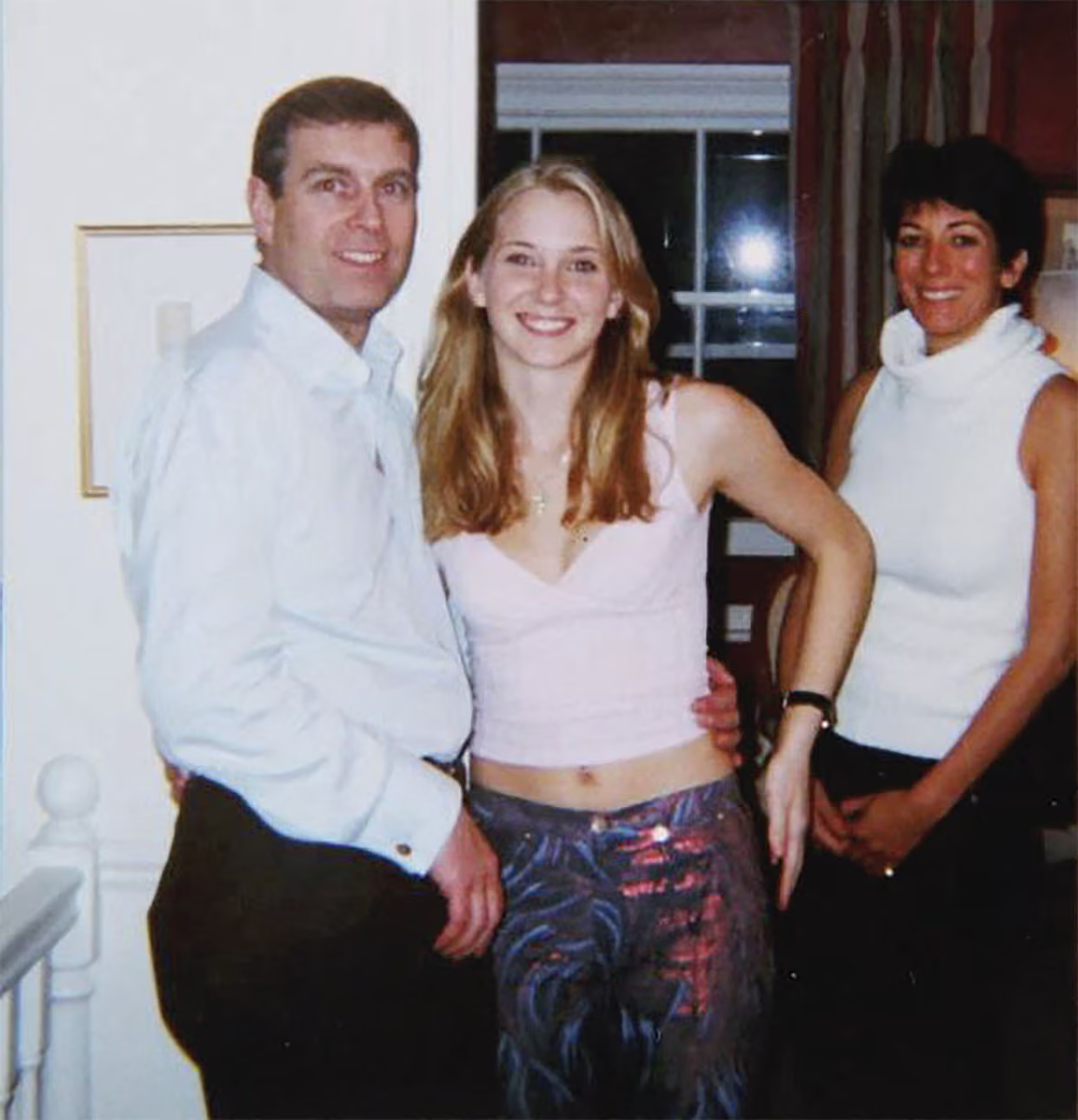
A 2001 photograph showing Prince Andrew with his arm around Virginia Roberts Giuffre as Ghislaine Maxwell stands beside them — an image that became pivotal evidence in the Jeffrey Epstein and Ghislaine Maxwell cases.
She then claims he added, “My daughters are just a little younger than you.” The words, she says, struck her with quiet horror - a polite acknowledgment of something deeply wrong.
Giuffre writes that after the encounter, the Duke said “thank you” in a clipped tone that made her feel like an object of royal courtesy, not a person.
“He acted like it was his right,” she says, describing it as the moment she realized how Epstein’s world truly worked: young girls as “luxuries of the powerful.”
Perhaps the most chilling passages in Nobody’s Girl describe Ghislaine Maxwell’s role as both enabler and manipulator. Giuffre recounts that after the alleged encounter, Maxwell smiled and told her, “You did well, the Prince had fun.”
Those words, she says, echoed in her mind for years - a twisted validation that revealed how transactional everything had become.
Giuffre writes that Maxwell was the architect of a system where victims were groomed to please.
She describes her as “charming, British, and impossibly confident, the perfect disguise for evil.”
Through her lens, Maxwell was both protector and predator: a woman who promised opportunity but weaponized intimacy.
Giuffre writes that what made Maxwell so dangerous was her ability to normalize the abuse to convince the girls that “this was what success looked like.”
Prince Andrew has vehemently denied all allegations and has never been charged with a crime.
In 2022, he settled a civil lawsuit filed by Giuffre for a reported £12 million, without admitting wrongdoing.
But with this memoir’s release, the details he hoped would fade are once again global headlines.
The book’s release comes at a sensitive moment for the Royal Family, still navigating the long shadow of the Epstein scandal.
For years, Prince Andrew has lived largely out of public view, stripped of his royal duties and military titles after the 2022 settlement.
But Nobody’s Girl has reignited debate over how much the monarchy knew and whether silence became its own form of complicity.
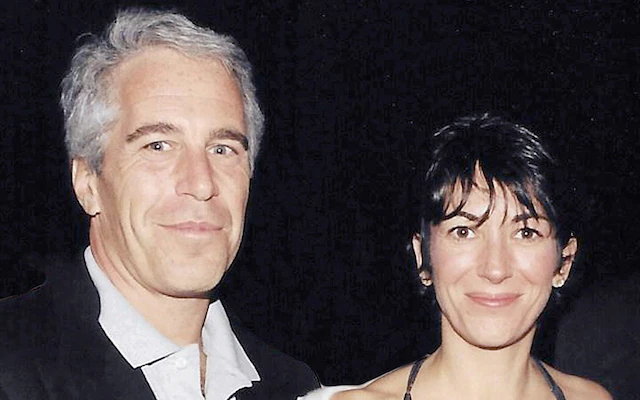
Jeffrey Epstein and Ghislaine Maxwell pictured together years before their arrests. Epstein was later convicted of sex crimes, while Maxwell was sentenced to 20 years in prison for her role in trafficking minors.
Search trends for “Prince Andrew Epstein connection” and “Virginia Giuffre book release date” have spiked across the UK, the U.S., and Australia since excerpts surfaced.
Royal analysts suggest the memoir may become one of the defining cultural moments of the decade - a test of whether modern institutions can survive when confronted by truths long buried.
“This case reaches far beyond the actions of a single royal figure,” observed one legal analyst. “It raises enduring questions about how power operates in secrecy and how long the truth can be contained behind closed doors.”
The memoir’s tone remains measured yet uncompromising. Giuffre writes not with resentment, but with purpose determined to ensure her account endures beyond denial and the passage of time.
Giuffre’s life began far from royal palaces. Born Virginia Louise Roberts in Sacramento, California, in 1983, she was abused by a family acquaintance as a child and ran away at fourteen.
By fifteen, she was living on the streets - a target for predators long before Epstein’s network found her.
She met Ghislaine Maxwell at Donald Trump’s Mar-a-Lago resort, where she worked as a locker room attendant while her father handled maintenance.
Maxwell offered what seemed like a lifeline - a job as a “massage therapist” for a wealthy businessman named Jeffrey Epstein.
That opportunity became a nightmare. Giuffre writes that Epstein’s world was filled with false glamour: private jets, lavish dinners, and what she calls “a carousel of broken girls dressed as luxury.”
Her story doesn’t end in tragedy, though. Before her death, Giuffre became one of the most outspoken advocates for victims of sexual exploitation, testifying against Epstein and Maxwell and helping shape international dialogue on survivor rights.
Her family has approved the memoir’s release, saying, “Virginia believed truth outlives fear. This was the story she wanted the world to read.”
The publication of Nobody’s Girl raises complex questions at the intersection of defamation, privacy, and posthumous speech.
Under UK law, defamation claims cannot be brought against the estate of a deceased person, meaning Giuffre’s passing effectively shields her from legal action.
However, Prince Andrew’s representatives could still challenge the publisher on grounds of reputational harm or breach of settlement confidentiality.
Legal analysts suggest this scenario underscores a growing tension between the right to protect one’s reputation and the public’s interest in survivor testimony, an evolving legal frontier likely to test how courts balance free expression with personal dignity.
What is Virginia Giuffre’s book Nobody’s Girl about?
A posthumous memoir detailing her experiences as a Jeffrey Epstein survivor, her allegations involving Ghislaine Maxwell, and her claimed encounter with Prince Andrew when she was 17.
When is the Nobody’s Girl memoir release date?
October 2025, published by Alfred A. Knopf.
What does the memoir allege about Prince Andrew?
Giuffre alleges the Duke of York acted entitled and treated sex with her as his “birthright.” Andrew has consistently denied wrongdoing.
Did Prince Andrew admit guilt in Virginia Giuffre’s lawsuit?
No. He settled the U.S. civil case in February 2022 without admitting liability.
Has Prince Andrew faced criminal charges over these claims?
No. He has not been criminally charged.
What happened to Ghislaine Maxwell?
Maxwell was convicted in the U.S. and is serving a 20-year prison sentence related to trafficking minors for Jeffrey Epstein.
Is Nobody’s Girl based on previously public testimony?
Yes. The memoir expands on Giuffre’s long-standing public allegations and sworn statements, presented as her account.
Where did Virginia Giuffre live before her death?
On a farm in Neergabby, Western Australia, with her husband and three children.
How does the book describe the Epstein network?
As a system of grooming and coercion that leveraged money, influence, and secrecy to exploit vulnerable girls.
Can the memoir trigger new legal action against Prince Andrew?
Unlikely. It may renew public scrutiny, but defamation and civil liability issues would primarily concern the publisher; Andrew has not faced criminal charges.
Why is the memoir considered significant for royal accountability?
It reignites debate about transparency, privilege, and the responsibilities of powerful institutions when faced with abuse allegations.
Is the “birthright” line verified by independent evidence?
It is reported as Giuffre’s allegation in her own words; it has not been independently verified and is disputed by Prince Andrew.