Epstein's Secret Client List: Virginia Giuffre's Memoir Just Blew the Lid Off His Power Network
According to new details emerging from the posthumous memoir, Nobody's Girl, Virginia Giuffre provides her final, harrowing accounts of being trafficked by Jeffrey Epstein and Ghislaine Maxwell to powerful global figures, including an unnamed "well-known prime minister." The book, released on October 21, 2025, renews scrutiny on the political elites allegedly involved and serves as a critical public record in the ongoing pursuit of justice for survivors.
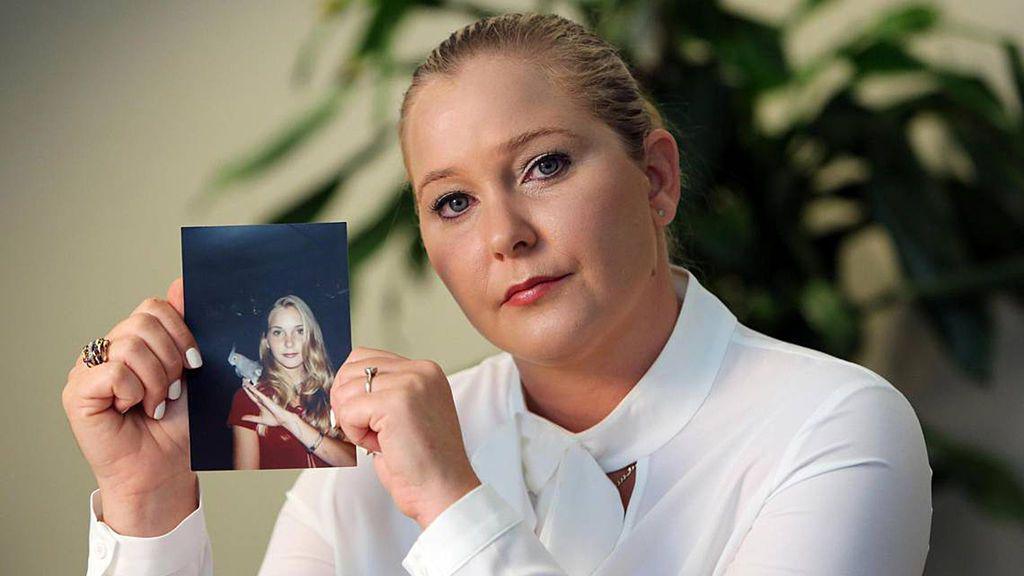
The world is still reeling from the revelations in Virginia Giuffre's posthumously published memoir, Nobody’s Girl: A Memoir of Surviving Abuse and Fighting for Justice, which delivers chilling and deeply personal accounts of her alleged sexual abuse and trafficking under the control of the late financier Jeffrey Epstein and his lieutenant Ghislaine Maxwell.
The book, hitting shelves and dominating headlines right now, is more than a personal tragedy; it’s a terrifying glimpse into a global trafficking ring that allegedly intersected with the highest echelons of political, business, and celebrity elites. The most dramatic claims point toward powerful, yet unnamed, political figures.
Giuffre’s heartbreaking narrative strengthens the long-held suspicion that Epstein's network operated with staggering impunity, shielded by wealth and influence. The book reignites the urgent public demand to know: Who are the powerful men who benefited from Epstein’s crimes?
Shocking Clues: The Political Figures Giuffre Names (and Doesn’t Name)
The memoir confirms that Giuffre was allegedly trafficked to a “multitude of powerful men.” While many names are omitted, the descriptions she offers are explosive. Giuffre specifically mentions being forced to have sex with a “gubernatorial candidate who was soon to win an election in a Western state and a former U.S. senator.” She explains that she could only identify some of these men years later, by recognizing faces in photographs of Epstein’s associates.
This powerful revelation echoes claims Giuffre made in a 2016 deposition, where she alleged encounters with former New Mexico Governor Bill Richardson and former Maine Senator George Mitchell—both of whom denied wrongdoing and were never criminally charged.
But the most truly harrowing and dramatic allegation in the book involves a “well-known prime minister,” whose name remains unspecified in the text. Giuffre describes being allegedly raped by this individual "more savagely than anyone had before… He wanted violence,” recounting pleading with Epstein not to send her back, only to be told coldly: “You’ll get that sometimes.” This sickening detail underscores the extreme violence and coercion central to Epstein’s operation.
Giuffre does identify other figures more clearly, including an alleged sexual encounter with Prince Andrew, Duke of York, when she was 17. Her words are unforgettable: “He was friendly enough, but still entitled — as if he believed having sex with me was his birthright.” The memoir also references former U.S. President Bill Clinton as someone in Epstein's orbit, though Giuffre clarifies she did not allege a sexual encounter with him.
The Legal Earthquake: Accountability and the Power of Public Testimony
The publication of Nobody's Girl serves as a powerful new piece of public record, one that could have profound legal implications. It’s an urgent call for accountability against those powerful figures Giuffre was allegedly trafficked to, and it spotlights the immense legal hurdles that survivors face.
Trafficking, Civil Suits, and the 'Invisible Chains'
The core legal issues revolve around federal laws against the sex trafficking of minors (18 U.S.C. § 1591), where consent is legally irrelevant. Giuffre's account of being exploited as a minor and coerced into sexual acts by Epstein and his associates speaks directly to the required elements of this statute. Even for adult victims, the memoir’s descriptions of violence and control strengthen the case for proving force, fraud, or coercion.
On the civil side, victims can launch lawsuits against traffickers and those who knowingly benefit from the exploitation (18 U.S.C. § 1595). Giuffre herself previously brought a defamation action against Ghislaine Maxwell, where the court noted the reality of her exploitation narrative and the “invisible chains” of coercion. Furthermore, her landmark civil action against Prince Andrew was filed under New York’s Child Victims Act, a crucial state law that allows for a longer time limit pathway for survivors of childhood sexual abuse.
The Battle for Names: Secrecy and the Statute of Limitations
One of the enduring, rage-inducing challenges in high-profile trafficking cases is the cloak of anonymity, sealed documents, and Non-Disclosure Agreements (NDAs). Giuffre’s choice to withhold certain names in her memoir may reflect legal strategy, genuine fear, or the constraints of past settlements—like the widely rumoured confidential settlement with Prince Andrew. This anonymity complicates potential criminal prosecution and civil redress.
However, as legal scholars and advocates have stressed, the fight against human trafficking must address not only the recruiters and transporters (supply and distribution) but also the demand side—the powerful men alleged to have received trafficked victims. Giuffre’s testimony functions as a potential catalyst for further investigations and discovery in civil litigation.
The law, through measures like the TVPA and state-specific acts, recognizes the extreme power imbalance and secrecy involved in these crimes and seeks to provide a measure of justice. Giuffre’s memoir ensures that her story will continue to influence public pressure, media scrutiny, and the legal push for all individuals and complicit parties to be held fully responsible for their heinous actions.
Virginia Giuffre's Memoir
1. Who is the "Well-Known Prime Minister" Virginia Giuffre Accuses in Her Memoir?
Answer: Virginia Giuffre’s posthumous memoir, Nobody’s Girl, does not specify the name of the "well-known prime minister" she alleges subjected her to a brutal rape. She withholds many names, noting she often didn't know them at the time or due to fear of retaliation and legal constraints. However, the dramatic and harrowing detail of the encounter ensures this person remains a central figure of public speculation, fueling the push for further release of sealed Epstein documents.
2. What New Allegations Does the Memoir Make Against Prince Andrew?
Answer: While Giuffre's allegations against Prince Andrew are already widely known, her memoir, Nobody's Girl, adds striking personal detail to the claims that they had sex when she was 17. Giuffre writes that the Duke of York acted "as if he believed having sex with me was his birthright." The book's release immediately renewed intense public and political pressure on the royal family, which is also currently dealing with Andrew relinquishing certain titles.
3. Will These New Memoir Claims Lead to Criminal Charges Against the Unnamed Politicians?
Answer: Giuffre’s memoir serves primarily as public testimony and potential evidentiary material for civil cases, but new criminal charges remain challenging. The book’s value is in creating a public record and mounting pressure to hold the demand side—the powerful clients—accountable. However, issues like statutes of limitations, difficulty in legally corroborating events that occurred years ago, and high-level secrecy (including sealed court documents) still represent significant hurdles to criminal prosecution of the unnamed political figures.