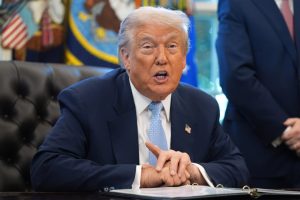
Trump 'Vacillating' on Diddy Commutation THIS WEEK — Mann Act Sentence Explained
A senior White House official says Donald Trump is "vacillating" on the decision that could release Sean “Diddy” Combs from federal prison immediately, sparking a political firestorm.
President Donald Trump is reportedly considering an immediate commutation of Sean “Diddy” Combs' federal prison sentence, a move that could see the disgraced music mogul walk free from his 50-month term as early as this week.
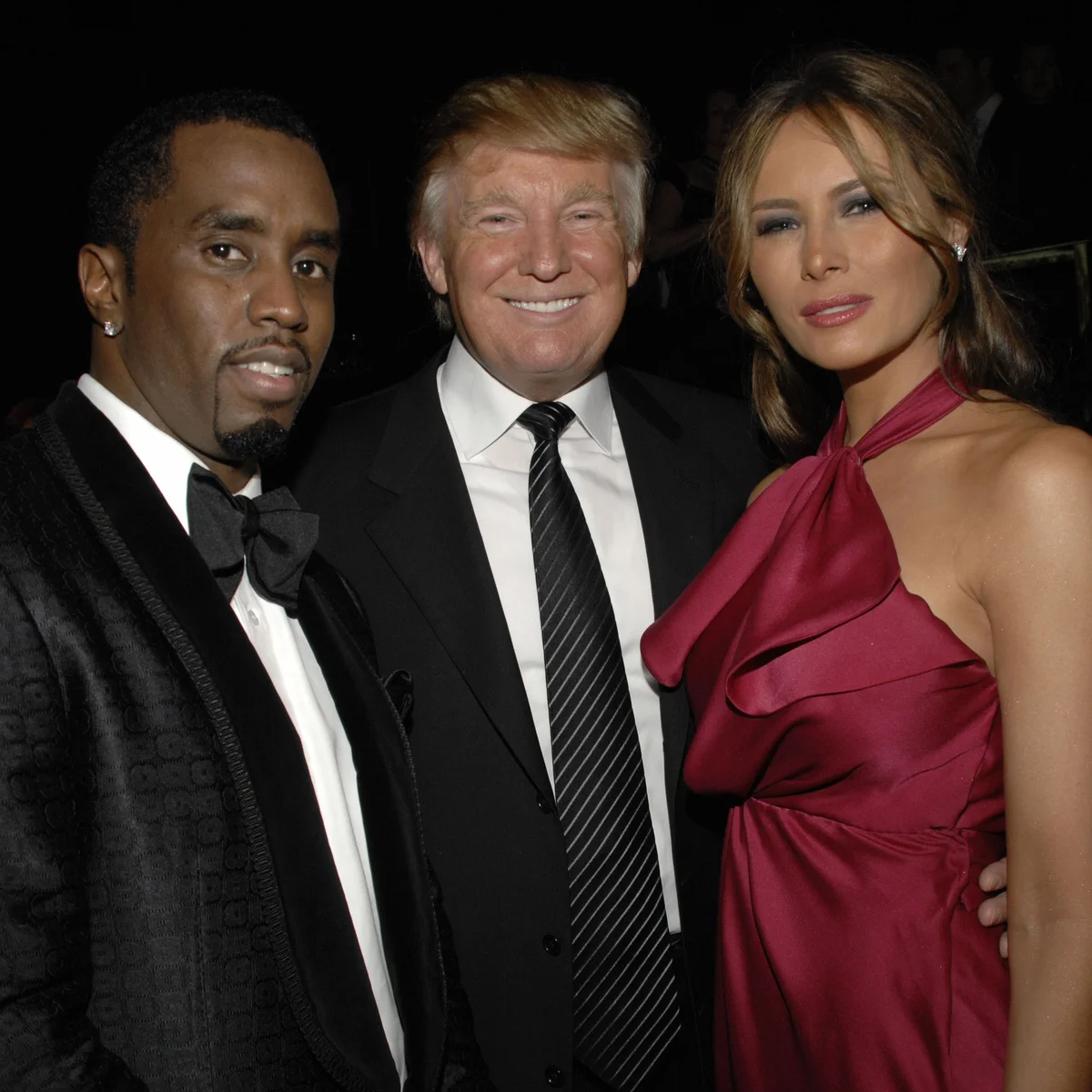
Sean “Diddy” Combs pictured with Donald and Melania Trump at a high-profile gala years before his federal sentencing — a reminder of how celebrity, politics, and power often intersect.
Multiple high-ranking sources close to the White House have confirmed that the President is actively weighing the use of his constitutional clemency power to cut short Diddy’s time behind bars for his Mann Act conviction.
The dramatic development has reignited a fierce public debate over presidential power, celebrity justice, and the political cost of granting mercy to one of the biggest names in Hollywood.
The Latest Drama: Trump is 'Vacillating' on Diddy's Freedom
Sean "Diddy" Combs is currently serving a four-year sentence after being convicted of two counts of transportation to engage in prostitution—a federal crime under the Mann Act.
He has already served 13 months, and was previously projected to be released in about two years with good behavior.
A presidential commutation would completely override that timeline.
According to a senior White House insider, Trump is said to be "vacillating" on the decision, a classic sign that the President is weighing the highly volatile political fallout.
- The Plea: Diddy’s legal team reached out to a senior White House official shortly after his sentencing, seeking either a pardon (which would erase the conviction) or a commutation (which shortens the sentence). Trump publicly confirmed the request, saying, "I call him Puff Daddy, he has asked me for a pardon."
- The Conflict: White House staffers are reportedly urging the President not to go through with the commutation, due to the nature of the charges and the massive public backlash it is sure to generate.
- The Precedent: This potential act of mercy comes just days after Trump commuted the sentence of former Congressman George Santos, setting the stage for what critics call a pattern of selective, politically-charged clemency.
The fact that this action is even being considered in a sex-related federal case is shocking to legal experts.
Clemency scholar Professor Mark Osler once noted that historically, such grants are "the third rail of clemency" because the political risk is enormous. Trump, however, has often cast aside tradition when using his near-absolute pardoning power.
The Legal Weapon: What The Mann Act Commutation Really Means
The power Trump is considering using is known as commutation - a massive, unchecked authority given to the President by Article II, Section 2 of the U.S. Constitution, which states the President "shall have Power to grant Reprieves and Pardons for Offences against the United States, except in Cases of Impeachment.”
Understanding the Legal Authority
- Commutation vs. Pardon: This is the most crucial distinction. A Commutation is a reduction or cancellation of a sentence; Diddy walks free now, but his felony conviction remains on his record. A Pardon is an act of forgiveness that completely restores civil rights and expunges the conviction.
- Federal Only: This power applies only to federal crimes. Diddy was convicted under the Mann Act (18 U.S.C. § 2421), which is a federal law prohibiting transporting individuals across state lines "for the purpose of prostitution or any sexual activity for which any person can be charged with a criminal offense."
- No Oversight: The President does not need Congress or the courts to approve the decision. The traditional Department of Justice clemency process is non-binding, and Trump can act unilaterally at any moment. As the DOJ itself states, "The decision to grant or deny clemency is the President’s alone and is not subject to judicial review."
If the commutation is granted, Diddy would be released immediately from federal custody, but he would still be officially labeled a federal felon.
The Political Firestorm: Why a "Diddy Pardon" is So Toxic
The political optics of granting Sean Combs clemency are arguably more complex and fraught than almost any other high-profile case.
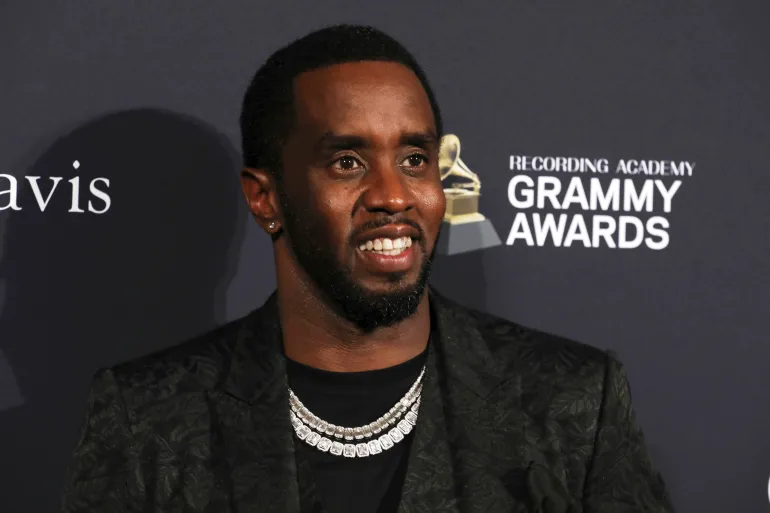
Sean “Diddy” Combs pictured at a Recording Academy Grammy Awards event — now facing renewed public scrutiny as reports suggest Donald Trump may consider commuting his federal sentence.
- The Charges: Diddy was convicted of a crime involving the transportation of individuals for prostitution. This is a massive public trust issue that sits on a very different ethical plane than non-violent drug offenses or white-collar fraud cases, which have made up the bulk of recent commutations.
- The Feud: Diddy publicly endorsed Joe Biden in 2020 and told a radio host that “white men like Trump need to be banished.” Trump himself has alluded to these past comments, calling them "very hostile" and admitting that they make a pardon "more difficult to do." This history suggests any clemency would be a purely political or transactional move, not an act of personal friendship.
- Celebrity Justice: Critics and advocacy groups like the ACLU argue that when a president uses clemency power to free a celebrity or political ally, it creates a two-tiered system of justice—one for the rich and famous, and one for ordinary Americans who follow the traditional clemency application process for years without success.
What Happens Next? The Road After Early Release
Even if the Donald Trump Diddy commutation is announced this week, the mogul’s road back to public life will be anything but smooth.
- Brand Damage is Permanent: The severe reputation damage from the trial and conviction is not erased by a commutation. Industry partners and fans are unlikely to fully embrace his return immediately.
- Probation/Supervision: Diddy will likely still be subject to federal post-release supervision, which can include restrictions on his travel and business activities.
- Lingering Lawsuits: The criminal conviction could be used as evidence in the multiple massive civil lawsuits filed against Diddy by various accusers. Those financial and legal headaches will continue long after he is out of prison.
The next few days will determine whether the Bad Boy Records founder walks free years ahead of schedule, marking an unprecedented use of presidential power that is sure to dominate headlines and fuel the controversy surrounding Sean Combs' Mann Act conviction for weeks to come.