Family of Rep. Tony Gonzales Aide Who Died After Self-Immolation Fights Back Against Explosive Affair Claims
Following the tragic September 14, 2025, death of Rep. Tony Gonzales' aide Regina Santos-Aviles from burns, her family has vehemently denied published reports alleging an affair with the Congressman. As a result, the situation has ignited a fierce legal debate over Texas defamation law, specifically concerning the high "actual malice" standard public figures like Rep. Gonzales must meet. Authorities confirm Santos-Aviles was alone in her backyard when the fatal incident occurred, with the police investigation still officially pending final reports.
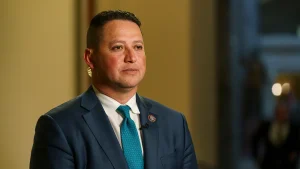
UVALDE, TEXAS—The devastating loss of Regina Santos-Aviles, a respected 35-year-old regional district director for U.S. Congressman Tony Gonzales (R-Texas), has become an inferno of public tragedy and political scandal. Santos-Aviles, a dedicated mother to an 8-year-old son, died on September 14, 2025, from severe burns after an incident at her Uvalde home.
Now, her grieving family is forcefully speaking out, not only grappling with their unimaginable sorrow but also battling what they call "completely false" and reputation-destroying rumors of an alleged affair with her married boss, Rep. Gonzales.
New reports have confirmed the heartbreaking details of the incident: Santos-Aviles, in her own backyard, doused herself with gasoline before being engulfed in flames. Despite being rushed to a San Antonio hospital, she succumbed to her injuries. Police have stated there is no evidence of foul play and surveillance footage reportedly shows she was alone. But the initial shock is now compounded by a media frenzy fueled by claims—claims the family is vowing to shut down.

Regina Santos-Aviles, pictured with her husband and child, was remembered by family as a devoted mother and dedicated congressional aide before her tragic death in September 2025.
Family's Fierce Denial: “I Don’t Think It Has Any Merit”
Nora Gonzales, Regina Santos-Aviles’s mother, confirmed to The New York Post this week that the family is aggressively challenging the explosive report from The Daily Mail that alleged her daughter was romantically involved with the married Congressman before her death.
"I don't think it has any merit. It is completely false," a heartbroken Nora Gonzales stated, drawing a line in the sand against the rumor mill that has hijacked her daughter's tragic passing.
The family's defense of Regina's reputation is instantly raising serious and costly legal questions for the media outlets and online commentators who have recklessly amplified the claims.
Legal Showdown: The Defamation Minefield for Media
When a private tragedy intersects with a prominent public figure like Rep. Gonzales, the legal bar for what can be published without consequence dramatically shifts. The core legal conflict here is between Freedom of the Press and the Right to Reputation under Texas defamation law.
The 'Actual Malice' Hurdle
As an elected official, Rep. Gonzales is considered a public figure. This status elevates the standard of proof required for any defamation lawsuit he might pursue. Under Texas Civil Practice & Remedies Code § 73.001 and the landmark U.S. Supreme Court ruling, New York Times Co. v. Sullivan, a public figure must prove "actual malice."
This is an extremely difficult legal hurdle to clear, requiring proof that the publication printed the statement either:
- With knowledge that the statement was false.
- With reckless disregard for whether it was false or not—meaning they entertained serious doubts about the claim’s truth but published it anyway.
Defamation law expert Charles Harder, who is known for high-profile media litigation, cautioned in a recent interview that when journalists "speculate about private relationships without evidence, they risk crossing into reckless disregard—especially if the source is anonymous or unverified."
What the Family Can Do
While Rep. Gonzales faces the "actual malice" standard, Santos-Aviles's family could have a stronger legal standing against the publications. Her mother's direct denial of the affair to multiple outlets now puts all future publishers on notice.
Furthermore, false allegations of infidelity, especially concerning a staffer's death, fall under the category of defamation per se in Texas, meaning the statements are so inherently damaging that injury to reputation is presumed. If the family were to pursue a lawsuit, and if the media entity failed to exercise proper due diligence, they could potentially seek substantial damages to hold the publishers accountable for the harm done to Regina’s memory and their own emotional distress.
The Political and Ethical Earthquake
Beyond the defamation risk, the mere existence of these claims throws a spotlight on the power dynamics within a congressional office. Even if the alleged relationship were proven consensual, it would trigger serious scrutiny under the U.S. House Ethics Manual, which explicitly warns against staff-member relationships that "create the appearance of favoritism, misuse of position, or impairment of impartial performance of official duties."
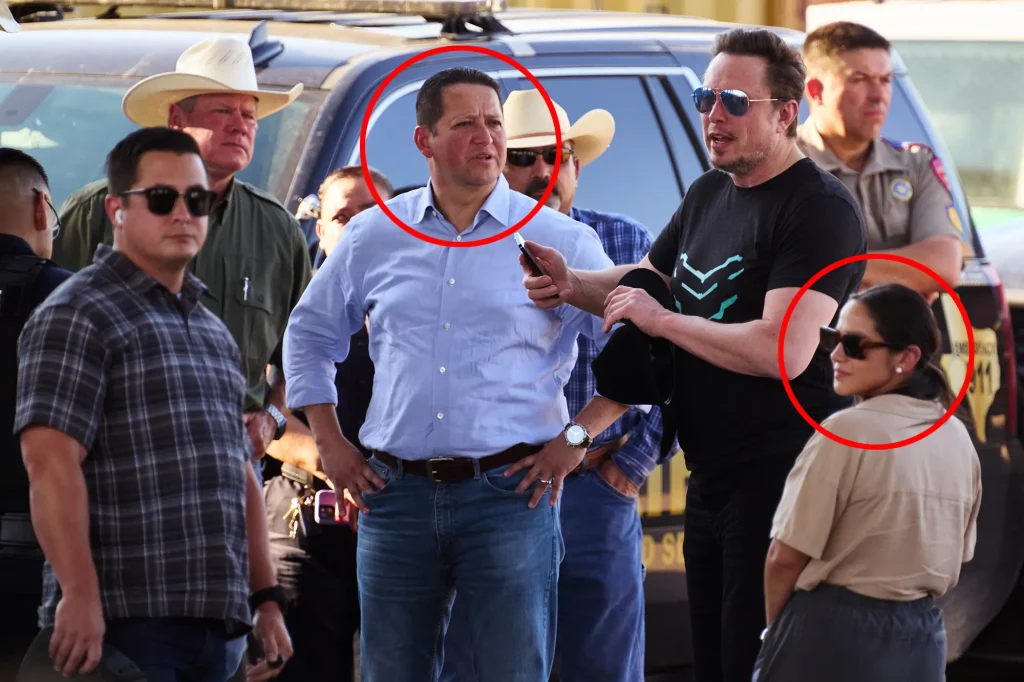
Rep. Gonzales, a married father of six, has not addressed the affair allegations directly. His office instead issued a blistering statement condemning "political bottom feeders" for spreading "distortions" about the circumstances of his aide’s death. This refusal to confirm or deny the core claim is only serving to intensify the public interest, putting his political future at greater risk of an Ethics Committee review, regardless of the police investigation's outcome.
Law enforcement has confirmed the tragic fact: Santos-Aviles was alone when the devastating incident occurred. However, as local authorities, including the Texas Rangers, continue their review, and as the family fights to protect her name, this personal catastrophe is now a chilling case study on the painful, high-stakes collision between unchecked social media speculation and the long, difficult reach of the law.
Regina Santos-Aviles Death Frequently Asked Questions (FAQs)
1. What is the official cause and manner of death for Regina Santos-Aviles?
The official cause and manner of death for Regina Santos-Aviles are currently pending the final reports from the Bexar County Medical Examiner’s Office. The Uvalde Police Department and the Texas Rangers' Division are leading the ongoing investigation into the September 14, 2025, incident where the congressional staffer caught fire at her home.
2. Are Rep. Tony Gonzales or any other individuals being investigated for the death?
No. The Uvalde Police Department has consistently stated that based on their preliminary findings, which include reviewing home surveillance footage, Regina Santos-Aviles was alone in her backyard when the fire began, and they do not believe anyone else was involved. Police Chief Homer Delgado previously stated there was no indication of foul play. The investigation's focus is on determining the circumstances of the incident itself.
3. What is the legal basis for the family’s potential defamation claims?
The family's potential legal action centers on defamation of character, specifically addressing rumors of an alleged affair between Santos-Aviles and Rep. Tony Gonzales published by various outlets. To win a defamation case as a public figure or against a news organization reporting on a public controversy, the plaintiff must typically prove that the publisher acted with "actual malice"—meaning they knew the information was false or acted with reckless disregard for the truth.