Understand Your Rights. Solve Your Legal Problems


A viral internet hoax has destroyed a young woman’s peace of mind and raised urgent questions about how easily false stories — powered by AI and social media algorithms — can ruin lives in minutes.
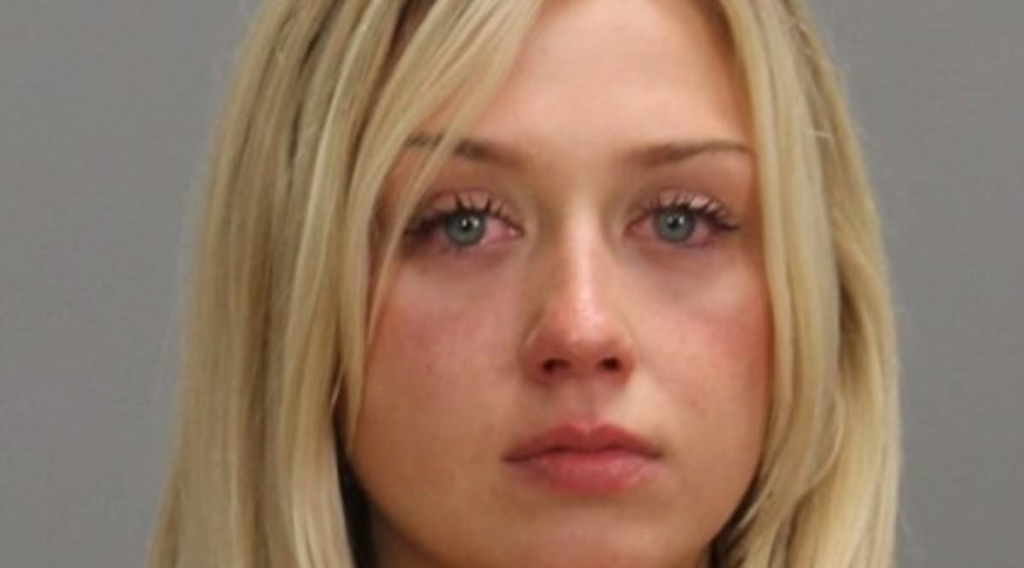
Megan Ashlee Davis, a 21-year-old student from College Station, Texas, has been thrust into unwanted fame after her tearful mugshot spread across Facebook and X (formerly Twitter) with a fake story claiming she assaulted Olive Garden customers with breadsticks.
The fabricated post alleged that Davis, posing as a waitress in St. Louis, was arrested after throwing breadsticks at a couple who refused to leave a tip, shouting, “Unlimited breadsticks doesn’t mean unlimited free labor.” It even claimed she faced charges of assault and disorderly conduct.
None of it ever happened. But the image — paired with an outrage-bait headline — went viral across multiple platforms, viewed millions of times before anyone realized it was fiction.

Megan Davis tried to report the fake Olive Garden “breadstick assault” post, but despite her efforts and friends’ support, it continued to resurface on multiple social media pages for days.
“It’s probably my worst nightmare coming to life,” Davis told Chron. “People are making inappropriate comments and AI-generated videos with my mugshot. I never worked at Olive Garden, and I’ve never even been to St. Louis.”
The photo was actually taken after a minor public intoxication arrest in August — a night she describes as “a low point” following her mother’s death. The mugshot was later scraped from a local database, altered, and repurposed into a meme without her consent.
The hoax didn’t just humiliate Davis. It made her the unwitting face of an ongoing social-media scam — one that combines real mugshots with fabricated “outrage stories” designed to trigger engagement, shares, and ad revenue.
Olive Garden was eventually forced to step in. The restaurant chain publicly commented on the viral post:
“This person does not work for Olive Garden, and the incident described never occurred. The page that originally shared this false story has posted similar hoaxes involving multiple brands.”
Despite the clarification, the false narrative continued spreading. Dozens of reposts kept appearing on meme accounts and low-credibility “news” pages.

OLIVE GARDEN ITALIAN RESTAURANT
For Davis, the aftermath has been emotionally devastating.
In a TikTok video addressing the situation, she said, “I’ve seen AI-generated versions of my mugshot turned into explicit content. It’s disgusting. I’ve reported it, but Facebook refuses to take it down.”
She says she has consulted attorneys to explore defamation and digital impersonation claims. The ordeal has reignited debate over whether social-media companies should be held legally responsible for viral hoaxes that cause measurable harm.
According to First Amendment and defamation attorney Marc J. Randazza, such incidents sit at the intersection of free speech and personal harm. In prior commentary, Randazza has noted that “when an individual’s image is misused and falsely paired with criminal allegations, the harm can be irreparable — and the legal exposure for publishers of the hoax is significant under libel and re-publication doctrine.”
Legal experts point to three primary avenues for redress:
1. Defamation and False Light:
Texas law allows victims to sue for defamation per se when false statements imply criminal conduct. Even without naming Davis, attaching her identifiable photo to fabricated crimes could meet this standard.
2. Deepfake and Image Misuse:
Texas Penal Code §21.16 now makes it a criminal offense to create or distribute sexually explicit or manipulated digital content without consent — a growing problem as AI image tools proliferate.
3. Platform Responsibility:
While social platforms remain largely shielded under Section 230 of the Communications Decency Act, pressure is mounting for reform. Several state lawmakers have proposed narrowing the immunity for platforms that knowingly allow viral hoaxes or deepfake content to spread unchecked.
Davis’s ordeal is part of a broader crisis in digital accountability. AI tools can fabricate convincing stories, and social networks reward engagement over accuracy. Once misinformation takes off, victims are left fighting algorithms, not people.
The incident underscores how reputations, careers, and mental health can collapse under the weight of viral falsehoods — and how the law still lags behind the speed of misinformation.
“The internet never forgets,” one attorney familiar with online defamation cases told Lawyer Monthly. “But the law hasn’t yet figured out how to make it forgive.”
The “Olive Garden breadstick assault” hoax isn’t just a viral prank — it’s a warning. As AI, satire, and misinformation collide, even an ordinary mugshot can become a weapon of defamation. The question now is whether courts, lawmakers, and platforms will finally treat digital impersonation as seriously as any other form of assault.