Understand Your Rights. Solve Your Legal Problems


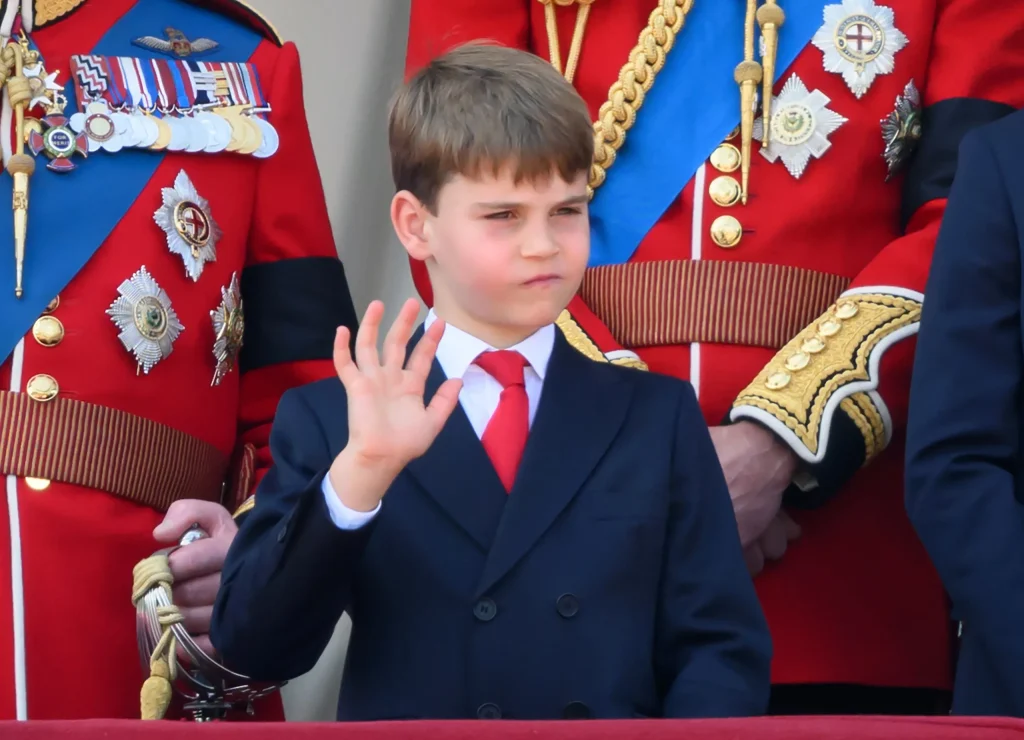
Prince Louis of Wales, the younger son of Prince William, stands traditionally next in line for one of the most historic and politically fraught titles in the British peerage: the Duke of York. However, the path to this title is currently blocked by constitutional convention, the specific inheritance rules of the peerage, and the controversial legacy of its current holder, Prince Andrew.
The Dukedom of York has a centuries-old tradition, often bestowed upon the monarch’s second son. Prince Andrew, the second son of the late Queen Elizabeth II, received the title upon his marriage to Sarah Ferguson in 1986.
However, British peerages, unlike styles such as "His Royal Highness," are governed by legal documents (Letters Patent) that dictate their descent. Since Prince Andrew has no legitimate male heirs (he has two daughters, Princess Beatrice and Princess Eugenie), the title is what is known as "in remainder" only to his male-line. When he dies, the title will legally revert, or merge, with the Crown.
Crucially, while Prince Andrew has recently relinquished the use of the Duke of York title and retired from public life, he has not been formally stripped of the peerage itself. Only an Act of Parliament can fully strip a person of a Dukedom while they are alive—a constitutional action the Crown and Government are hesitant to pursue.
This situation creates the fundamental block: Prince Louis cannot legally be created the Duke of York while Prince Andrew remains alive, regardless of whether Andrew uses the title or not. The title is occupied.
Related: What will Prince Andrew do Next?
Beyond the current political controversy, the Dukedom of York carries a long and peculiar history of misfortune. Over the centuries, the title has never successfully passed from father to son, leading many royal historians to informally brand it as "The Unlucky Dukedom."
Previous Dukes of York have repeatedly met untimely or dramatic ends:
This historical pattern—dying without male issue or ascending to the throne—makes Prince Andrew's current position (where the title will legally revert upon his death due to lack of a son) simply the latest iteration of the Dukedom’s persistent jinx.
To understand this technicality, consider the Dukedom of York not as a temporary style but as a piece of real estate governed by a very specific 75-year lease:
In short, the title is legally dormant but not extinct, which keeps it locked up until Prince Andrew’s death.
Should Prince Louis marry after the title has reverted to the Crown (i.e., after the death of Prince Andrew, and while his father, Prince William, is King), he is the prime candidate to receive the Dukedom, following historical precedent.
However, the power to grant a new peerage rests solely with the reigning monarch (King William, at that time), who uses the Royal Prerogative. Given the long and deeply controversial association of the Dukedom of York with Prince Andrew, coupled with its dark and "unlucky" history, King William may decide one of three things:
Ultimately, while the history and tradition point directly at Prince Louis, the current legal reality of the title's holder, combined with the future monarch’s personal choice, makes the potential Dukedom of York one of the most unpredictable titles in the Royal Family.