Paul Pierce DUI Charges: BAC 0.08%, Range Rover Arrest, and the $1M Brand Risk
Boston Celtics Legend Paul Pierce Facing Two Criminal Counts for Alleged Impaired Driving Incident in Los Angeles
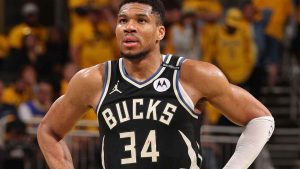
The glittering chapter of an NBA career, marked by a championship ring and a Hall of Fame induction, has hit a sharp legal turn for Paul Pierce. The former Boston Celtics superstar, nicknamed "The Truth," is now formally facing two misdemeanor criminal charges in a Los Angeles court following an alleged incident on U.S. Highway 101 earlier this month.
The CHP’s discovery now puts Pierce’s post-playing reputation under serious scrutiny. DUI allegations can damage even the strongest athletic legacy, as seen in the recent case of former NFL quarterback Jay Cutler, whose own DUI led to jail time and public backlash. For anyone watching, the message is simple. Even a brief lapse in judgment behind the wheel can bring very real consequences, fame or not.
The October 7th Freeway Incident: Arrest and Formal Charges
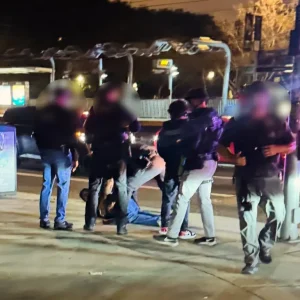
On the late evening of October 7, 2025, California Highway Patrol (CHP) officers found Paul Pierce, 48, stopped in traffic on the northbound lanes of the 101 Freeway in Los Angeles. The discovery came as officers were clearing an unrelated multi-vehicle crash nearby. According to the CHP report, Pierce was found asleep at the wheel of his Range Rover SUV, with the engine running.
Officers noted observations that led them to suspect alcohol impairment, initiating a full DUI investigation. The case has since been filed by the Los Angeles City Attorney's Office, lodging two formal criminal counts against the NBA icon:
- Driving Under the Influence (DUI) of an alcoholic beverage.
- Driving with a Blood-Alcohol Content (BAC) of 0.08 percent or higher. This "per se" charge bypasses the need to prove visible impairment, focusing solely on the concentration of alcohol in the bloodstream exceeding the legal limit.
Pierce is scheduled for his arraignment hearing next month, where he is expected to enter a plea.
'Old, Tired, and Stuck in Traffic': Pierce’s Public Defense
Shortly after news of the arrest broke, Paul Pierce used social media to offer a public explanation, which notably side-stepped any admission of intoxication. In his post, he claimed to have been "stuck in stand still traffic for 45 mins" and simply fell asleep due to being "old" and "tired."
This defense sets the stage for a compelling legal battle focused on intent and impairment. While the arrest was for suspicion of DUI, the formal charges demand proof of either being under the influence or having an illegal BAC while operating the vehicle. His legal team will likely leverage his public claim of fatigue against the prosecution's evidence of impairment, including the pending blood test results that are crucial for substantiating the 0.08 BAC charge.
The Legal Lifeline: Why "Sleeping It Off" is a Roll of the Dice
When you realize you've had too much to drink, doing the responsible thing often means pulling over and sleeping it off. But here's a crucial, often misunderstood legal detail: in some states, even if you are sound asleep and parked, you could still be charged with Driving Under the Influence (DUI).
| Element | California (Majority View) | Many Other States (Minority View) |
| Standard for DUI | Volitional Movement | Actual Physical Control |
| Definition | The prosecution must prove you intentionally moved the vehicle while intoxicated. | The prosecution must prove you had the ability to immediately operate the vehicle while intoxicated. |
| Result | Sleeping in a parked car with the engine off and keys out of the ignition often avoids a DUI charge. | Sleeping in the driver's seat with keys accessible could lead to a DUI charge, even if the car is off. |
Expert Interpretation: The Crucial "Volitional Movement" Standard
In California, a landmark case, Mercer v. Department of Motor Vehicles (1991), cemented the idea that to be convicted of a DUI, the prosecutor must prove volitional movement. This means you must have purposefully caused the vehicle to move, even just an inch. Simply being in actual physical control—like sitting in the driver's seat with the engine running, which is enough for a DUI in many states—is typically not sufficient for a conviction in California, absent proof of driving.
The "So What?" for the Consumer: This distinction is your legal safety net, but it's not foolproof. The police don't have to witness you driving; they can use circumstantial evidence to prove volitional movement. A warm engine, being parked in a travel lane, or the keys being in the ignition could be used to argue you drove there while drunk. Conversely, if you are found asleep in the back seat with the keys locked away in the trunk and the engine cold, your defense against the "driving" element is significantly stronger.
Actionable Insight: The "Sleep-Safe" Protocol
If you are too impaired to drive, your best legal defense is to remove any evidence of "control" and "volitional movement" before the police arrive. This goes beyond just turning off the engine.
- Engine Off, Keys Away: Turn the ignition completely off and remove the keys.
- Move to the Back: Move to the passenger or back seat, or better yet, the trunk. The further you are from the driver's seat, the less likely a prosecutor can argue you were "in control."
- Secure the Keys: Place the keys outside of your immediate reach, perhaps in the glove compartment, trunk, or even outside the car.
- Know the Lesser Charge: Even if you avoid a DUI, you may still face a less severe charge like Public Intoxication or an Open Container Violation (if applicable). These charges don't carry the same catastrophic penalties as a DUI.
Attorney Perspective:
"Many people think that if they're passed out in their car with the engine off, they're safe from a DUI, but in many states, that’s not true. In California, we have the 'volitional movement' defense, which gives people a fighting chance if they can prove the vehicle hadn’t moved while they were intoxicated. However, the police will look for every piece of circumstantial evidence—a warm engine, being parked illegally—to prove you drove there. Your location and the placement of your keys are critical pieces of evidence."
— Michael Kraut, Los Angeles DUI Defense Attorney
The Legal Nuance: Driving vs. Physical Control in California DUI Cases
A critical legal point in this high-profile case is the concept of "driving" under California Vehicle Code 23152(a).
- Key Legal Keyword: Unlike some states that employ an "actual physical control" standard, California law generally requires proof of volitional movement of the vehicle.
- The Argument: Since Pierce was found asleep with the engine running while stopped in traffic, his defense may argue that he was not "driving" in the legal sense. However, stopping in a live freeway lane with the engine running is a substantial safety hazard, and prosecutors can argue that the vehicle was moved to that location while Pierce was allegedly impaired, or that his control over a running engine posed an immediate danger.
- The Stakes: The outcome hinges on whether the evidence proves that Pierce intentionally caused the vehicle to move while impaired, or if his BAC level was indeed above the legal limit when he was in charge of the Range Rover.
Legacy and Brand Risk: The Cost of Off-Court Trouble
Paul Pierce's NBA career is immortalized. A 10-time All-Star, the 2008 NBA Finals MVP for the Boston Celtics, and an inductee into the Basketball Hall of Fame, his on-court legacy is secure. However, his life after basketball, particularly his media and brand partnerships, is deeply vulnerable to this new legal challenge.
- Reputational Damage: Impaired driving charges carry a significant stigma that can alienate sponsors and media partners who prioritize professional conduct.
- Previous Controversies: This is not Pierce’s first post-retirement image challenge. His departure from ESPN in 2021 following a controversial social media livestream and a 2023 settlement with the SEC over unlawful crypto asset touting ($1.4 million in total fines and disgorgement) already highlight a pattern of off-court scrutiny.
- Future Earnings: Pierce, who had been involved in sports broadcasting with Fox Sports until recently, relies on his public image for future endorsement deals and media opportunities. A conviction for DUI would further erode the trust of potential partners, posing a multi-million-dollar threat to his celebrity brand.
Understanding the Penalties for a California First-Offense DUI
A misdemeanor DUI conviction in California is serious, even for a first-time offender like Paul Pierce. Potential penalties include:
| Penalty Type | Potential Consequence | Long-Term Impact |
| Legal | Fines (up to $1,000 plus penalty assessments), probation, and mandatory DUI education programs (3-9 months). | Permanent criminal record. |
| Driving Privileges | Automatic 4-month to 1-year license suspension by the DMV; often requires an Ignition Interlock Device (IID) installed on the vehicle. | Restricted driving, logistical inconvenience. |
| Financial | Significantly increased auto insurance costs (SR-22 requirement) for years. | Direct, long-term financial burden. |
The intersection of a legendary sports career with contemporary legal and media accountability ensures that Paul Pierce’s arraignment and subsequent proceedings will be closely watched by fans, legal experts, and the sports marketing world. For The Truth, this legal fight represents a pivotal moment in defining his final public legacy.
Frequently Asked Questions (FAQ) about the Paul Pierce DUI Case
Q: Where and when did the Paul Pierce DUI incident occur?
A: The incident occurred late on the evening of October 7, 2025, on U.S. Highway 101 in Los Angeles.
Q: What specific charges is Paul Pierce facing?
A: He is formally charged with two misdemeanors: Driving Under the Influence (DUI) of alcohol, and Driving with a Blood-Alcohol Content (BAC) of 0.08% or higher.
Q: Did Paul Pierce admit to drinking?
A: No. Paul Pierce publicly attributed the incident to being "old," "tired," and falling asleep from being stuck in standstill traffic, without admitting to any alcohol impairment.
Q: Is Paul Pierce’s Hall of Fame status affected by the DUI charges?
A: No. His induction into the Naismith Memorial Basketball Hall of Fame is based on his career achievements and is secure. However, his public reputation and future business opportunities are clearly impacted.
Q: What is the significance of the 0.08 BAC charge?
A: The BAC 0.08 charge is a 'per se' violation in California. If the prosecution can prove his blood alcohol level was at or above 0.08 percent at the time of driving, it is considered a crime regardless of whether he exhibited visible signs of impairment. The pending blood test results are key to this specific count.
This video discusses getting a DUI for sleeping in your car. LAWYER: Can You Get a DUI Sleeping in the Back?