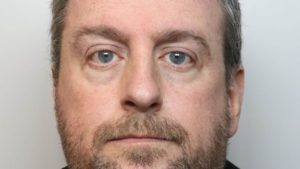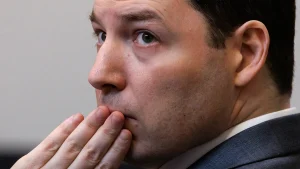
Fugitive Nicholas Rossi Sentenced for Rape After Faking His Death and Fleeing to Scotland
The incredible decade-spanning saga of Nicholas Rossi, the fugitive who staged his own death, has finally reached a dramatic point: he has been sentenced to a prison term of five years to life in Utah for the 2008 rape of a former girlfriend.
Rossi, 38, also known by the aliases Nicholas Alahverdian and Arthur Knight, appeared in court for the first of his two rape sentencing hearings after his extraordinary, cross-continental attempt to escape justice failed.
The sentencing on Monday, October 20, 2025, marks a massive victory for victims and law enforcement, proving that faking your own death will not erase liability for violent crimes.
The Shocking Evasion: Faking Death and the Scottish Capture
The story of Nicholas Rossi is one of the most bizarre fugitive hunts in recent memory, blending high-stakes international law with incredible personal deception.
In 2020, after DNA evidence linked him to multiple sexual assaults in Utah and facing charges for failing to register as a sex offender in Rhode Island, an obituary appeared online.
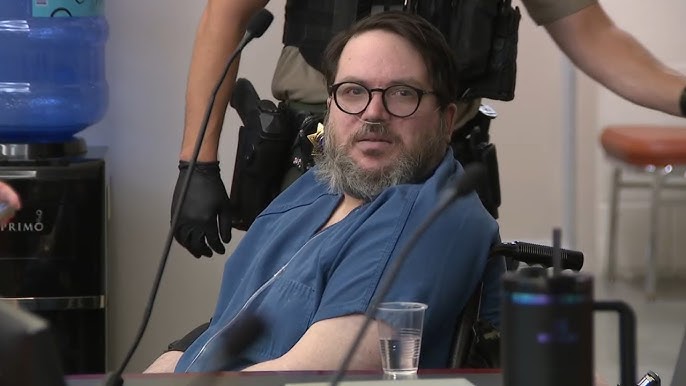
Fugitive Nicholas Rossi, who faked his death and fled to Scotland, appears in a Utah courtroom wearing a blue jumpsuit during his rape sentencing in October 2025.
It claimed that Rossi then known as Nicholas Alahverdian, had died of non-Hodgkin lymphoma on February 29, 2020.
The trail seemed cold.
The Clue That Gave Him Away:
The elaborate plot fell apart in December 2021, when the fugitive was dramatically identified while hospitalized with COVID-19 in Glasgow, Scotland.
Hospital staff recognized his distinctive tattoos including one of a U.S. university crest, which matched an international Interpol alert.
When confronted, Rossi launched a bewildering campaign of denial, claiming he was an innocent Irish orphan named Arthur Knight. This led to a nearly three-year-long, high-profile extradition battle with the U.S.
For a deeper look at how UK-US extradition operates in high-profile sexual-offence cases, see Russell Brand Rape Case Sparks U.S. Extradition Fight, which explores the same treaty framework that ultimately returned Rossi to Utah.
In January 2024, after exhausting his legal appeals in the U.K., Rossi was finally extradited back to Utah.
The Victim Speaks: "A Trail of Fear, Pain, and Destruction"
The recent sentencing in Salt Lake City followed a swift conviction in August 2025. The victim, who met Rossi through a Craigslist ad while recovering from a traumatic brain injury, delivered an emotional impact statement to the court.
She described how Rossi had initially charmed her, leading to an engagement, before he began financially exploiting and ultimately raping her. She told jurors that Rossi left "a trail of fear, pain, and destruction" in her life.
"This is not a plea for vengeance," the survivor told the court. "This is a plea for safety and accountability, for recognition of the damage that will never fully heal."
During the hearing, Rossi, appearing frail and maintaining his innocence, told the court, "I am not guilty of this. These women are lying."
The prosecutor, Deputy Salt Lake County District Attorney Brandon Simmons, urged the court to impose a severe sentence, arguing that Rossi "uses rape to control women" and remains "the very definition of a flight risk."
The Law Explained: What Does 'Five Years to Life' Mean for Rossi?
Nicholas Rossi was sentenced under Utah's tough indeterminate sentencing law for a first-degree felony rape conviction.
This is a critical legal detail that consumer readers must understand:
- It is Not a Fixed Term: In Utah, a judge does not hand down a fixed sentence (like "10 years"). Instead, the sentence is given as a range - in this case, "not less than five years and which may be for life."
- The Parole Board Decides: The five-year minimum simply marks the earliest point the Utah Board of Pardons and Parole can begin to consider his release.
- Flight is an Aggravating Factor: The key takeaway is that Rossi's elaborate escape faking death, using multiple aliases like Arthur Knight, and obstructing justice for years is legally seen as a significant aggravating factor. This conduct strongly suggests he is not ready for release and is a danger to the community. Legal experts agree this significantly increases the likelihood that he will serve decades, or potentially even the full life sentence.
What Happens Next for the Fugitive?
This week’s sentencing is only the beginning of Rossi’s legal future.
- Second Sentencing Pending: He was convicted in a second, separate rape case in Utah County in September 2025. He is scheduled to face his second sentencing hearing on November 4, 2025.
- Consecutive Sentences: If the judge orders his sentences to be served consecutively (back-to-back), his overall minimum time behind bars could increase dramatically, making his earliest possible release date even further away.
- Other Charges: Rossi is also wanted in Rhode Island for failing to register as a sex offender and faces fraud charges in Ohio, adding to the lengthy legal road ahead.
The case has also put a spotlight on the crucial role of modern technology in historic cases, with the long-delayed testing of an old DNA rape kit being the key evidence that finally brought Nicholas Rossi, the man who tried to fake his own death, back to face justice.
People Also Ask (PAA)
1. Why did Nicholas Rossi fake his death?
Nicholas Rossi faked his death in 2020 to avoid prosecution for multiple rape charges in Utah. An obituary falsely claimed he died from non-Hodgkin lymphoma, but investigators later proved he was alive and living in Scotland under the alias Arthur Knight.
2. How was Nicholas Rossi caught in Scotland?
Rossi was caught in December 2021 while hospitalized with COVID-19 in Glasgow. Hospital staff recognized his tattoos from an Interpol alert. He was arrested after insisting he was an Irish orphan named Arthur Knight, sparking a three-year extradition battle.
3. What sentence did Nicholas Rossi receive?
He was sentenced to five years to life in prison for a 2008 rape conviction under Utah’s indeterminate sentencing law, which means the parole board—not the judge—decides how long he actually serves.
4. What is Utah’s “indeterminate sentencing” law?
Under Utah Code § 77-18-4(2), felonies like rape are punished with a sentencing range (e.g., five years to life) rather than a fixed term. The Utah Board of Pardons and Parole determines the actual release date based on risk and rehabilitation.
5. Is Nicholas Rossi facing more prison time?
Yes. Rossi was convicted in a second rape case in Utah County in September 2025 and will be sentenced again in November. If the judge orders consecutive sentences, his total prison time could exceed the minimum five-year term by decades.