Understand Your Rights. Solve Your Legal Problems


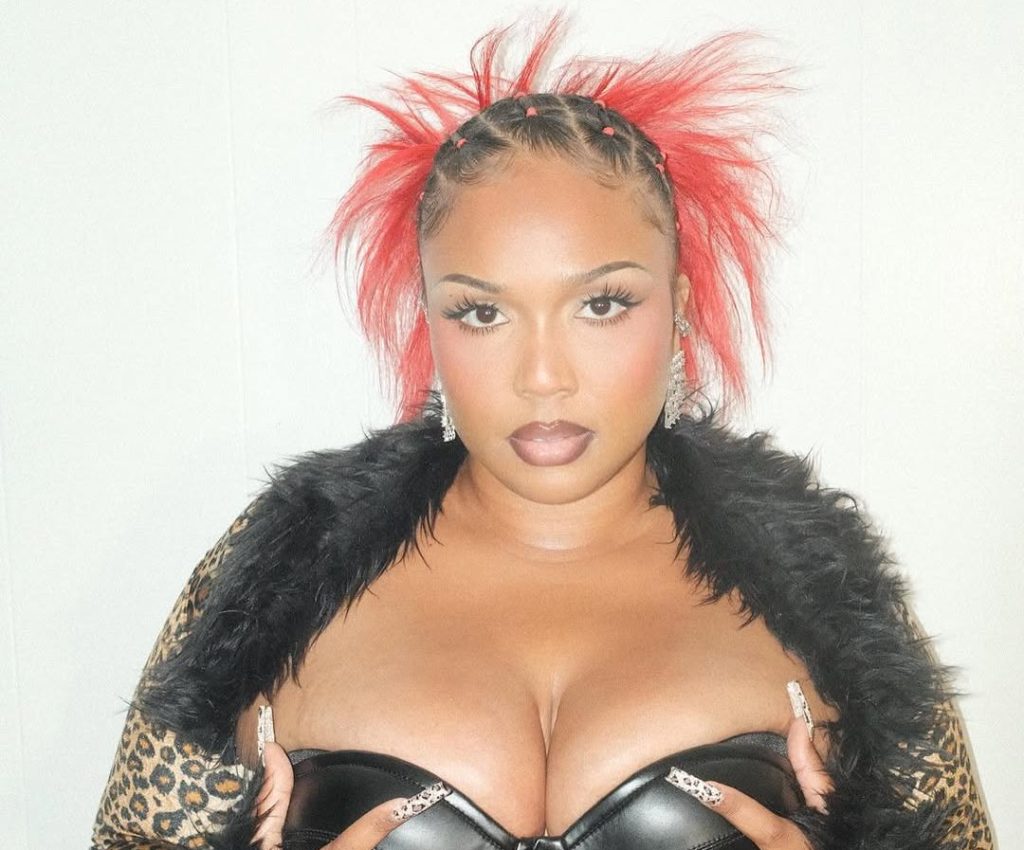
The Grammy Winner and Atlantic Records Face Shocking Copyright Claim Over ‘Good Jeans’ And Why a ‘Demo’ Can Still Land You in Court
In a stunning development that has sent shockwaves through the music industry, superstar Lizzo has been hit with a major lawsuit alleging copyright infringement, not for a song on the charts, but for an unreleased track that exploded on TikTok.
The lawsuit, filed by The GRC Trust against Lizzo and her label, Atlantic Records, centers on the highly-anticipated song, I’m Goin’ In Till October (known by fans as “Good Jeans”).
According to the court documents, the Trust claims the track unlawfully copies “both instrumental and vocal elements” from their copyrighted work, Win or Lose (We Tried).
The stakes are enormous. The Trust is pursuing significant monetary damages and an injunction that could permanently block the song’s release.
Legal experts warn that if the court finds the infringement was willful, meaning Lizzo’s team knew they were violating the law, the penalty could soar up to $150,000 per infringed work under US copyright law.
For her 26.3 million TikTok followers and 11.7 million Instagram fans, “Good Jeans” was a phenomenon.
Snippets of the song circulated wildly earlier this year, fueling thousands of fan-made videos and creating massive demand for an official release.
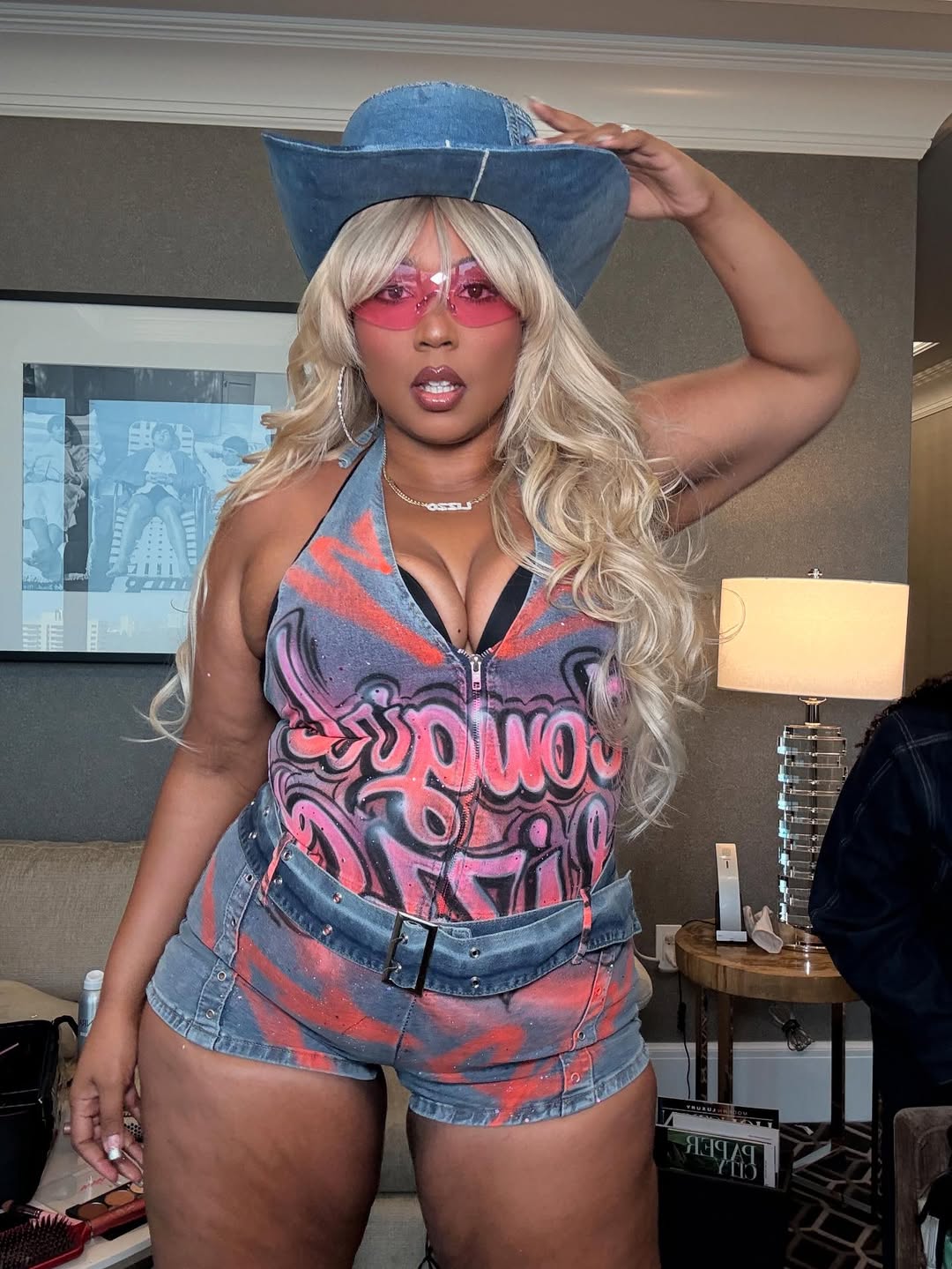
Lizzo serving 'Y2K Cowgirl' in a custom airbrushed denim outfit featuring a halter top and cutoff shorts with "Hollywood Hills" branding. Finished with a denim cowboy hat and pink-tinted sunglasses. (Photo: @lizzobeeating Instagram)
But this is exactly where the legal drama began.
The lawsuit argues that even though the song was never officially put on Spotify or sold, Lizzo’s team exploited its online virality, the same millions of views on social media for commercial benefit.
According to the court filings, the two parties actually discussed a licensing agreement to use the sample, but a deal was never reached.
This scenario is becoming increasingly common in the music world. Earlier this year, Kanye West faced a lawsuit for allegedly using an Alice Merton sample without permission in his unreleased track “Gun to My Head”.
Like Lizzo’s case, that dispute centered on a leaked demo that went viral before any license was secured — a warning shot for every artist testing material online.
Lizzo’s team has publicly expressed surprise, stating the song was “never commercially released or monetized.” But under Title 17 of the U.S. Code, that defense may not hold up.
In a pivotal ruling, the Ninth Circuit court once issued a blunt warning to the industry: “Get a license or do not sample.”
Entertainment attorney Donald S. Zack, a veteran of several sampling cases, emphasized this point in an interview with The Hollywood Reporter: "When music goes viral, copyright law doesn’t suddenly stop applying. It’s still copying, and it’s still infringement."
The law is clear: copyright protection applies the moment an original work is fixed in a tangible medium, meaning even a short, unreleased demo is protected.
This is not the first time Lizzo’s legal record has been in the headlines. This copyright bombshell lands less than a year after the Grammy-winner was hit with multiple, high-profile lawsuits from former dancers.
Those 2023 cases which Lizzo has strongly denied, include explosive allegations of a hostile work environment, sexual harassment, racial discrimination, and body-shaming.
While a Los Angeles judge dismissed some claims last year, significant parts of the case, including allegations of religious and sexual discrimination, were allowed to proceed and remain active today.
The new copyright suit, though completely separate, only intensifies her legal exposure, complicating her business relationships with Atlantic Records and potentially delaying her future music releases.
It’s a situation that mirrors other high-profile disputes over creative ownership. In another major entertainment case, director M. Night Shyamalan was recently hit with an $81 million copyright lawsuit over his Apple TV+ series Servant, where plaintiffs claimed he lifted core story elements from their original screenplay.
The pattern is clear even the world’s most established artists aren’t immune from copyright battles when originality is in question.
This lawsuit serves as a major warning to every artist in the post-TikTok era.
In today's music landscape, a musician can drop a 15-second "test clip" that instantly generates millions of views before any legal team has cleared the samples. The clip that was meant to be a test quickly becomes a commercial asset.
The GRC Trust is arguing that Lizzo and her label capitalized on this "Viral Music Trap" that her massive social media presence and the ensuing fan engagement is exploitation under the law.
Ultimately, this case will boil down to one simple question for the court: Is the sample recognizable?
If the Trust's experts can prove the "instrumental and vocal elements" in "Good Jeans" are clearly identifiable as belonging to Win or Lose (We Tried), Lizzo and Atlantic Records will face a tough fight.
The most likely scenario is an expensive, private settlement to avoid a public trial and the headache of discovery. But even a settlement will mean a huge payment and a major delay for fans.
For now, the powerful legal threat of $150,000 has reinforced a simple, old-school music rule in the new TikTok world: Clear it, or don’t use it.
What is Lizzo being sued for in 2025?
Lizzo is facing a $150,000 copyright infringement lawsuit from The GRC Trust, which alleges her unreleased song “I’m Goin’ In Till October” (also known as “Good Jeans”) copies key instrumental and vocal elements from their copyrighted track Win or Lose (We Tried).
Can you get sued for a song that was never released?
Yes. Under U.S. copyright law, a song doesn’t need to be officially released to be protected. Once it’s recorded in any tangible form—even as a demo—its creator holds exclusive rights. Using or sampling that material without permission can still trigger a lawsuit.
Why is the “Good Jeans” case important for musicians?
This lawsuit highlights the growing risk of “viral leaks” in the TikTok era. Artists often test new material online without clearing samples first, but viral fame doesn’t exempt them from copyright law—and can actually increase damages if infringement is found.
What could Lizzo and Atlantic Records have to pay if they lose?
If the court determines the infringement was willful, Lizzo and her label could face statutory damages of up to $150,000 per infringed work, plus potential legal fees and an injunction blocking future use or release of the song.
Has Lizzo faced legal trouble before?
Yes. In 2023, Lizzo was sued by several former dancers for alleged workplace misconduct, including sexual harassment and discrimination claims. Although some allegations were dismissed, others remain active—making this new copyright case yet another major legal challenge.
What happens next in Lizzo’s copyright case?
The court will likely examine whether the alleged sample is recognizable and if any licensing negotiations occurred. If The GRC Trust’s claims hold up, the case could end in a costly settlement to avoid trial and protect Lizzo’s brand from further damage.