Understand Your Rights. Solve Your Legal Problems



Just weeks after former NFL quarterback Jay Cutler was jailed over a DUI conviction, his ex-wife Kristin Cavallari has signed an eight-figure podcast deal that’s raising complex legal questions around morality clauses, defamation, and post-divorce publicity rights.
The 38-year-old Laguna Beach alum and entrepreneur sealed a multi-year Dear Media contract reportedly worth more than $10 million to continue her hit podcast Let’s Be Honest.
The deal cements her as one of podcasting’s highest-paid voices and arrives just as her ex-husband’s DUI case and civil lawsuit draw renewed legal scrutiny.
For lawyers, the story offers a rare view into the legal machinery of reputation, where morality clauses, defamation risk, and brand protection intersect in the billion-dollar influencer economy.
What is a morality clause?
A morality clause sometimes called a behavior clause is a contract term that allows a company to terminate or renegotiate a deal if a public figure’s actions harm its reputation.
In plain English, it’s the “don’t embarrass the brand” rule. It protects sponsors and media platforms from fallout if a celebrity’s personal life turns scandalous.
Once limited to criminal conduct, morality clauses now extend to family associations, online behavior, or even statements made on social media.
“Morality clauses have become critical to managing risk in celebrity deals,” said entertainment lawyer David Jonelis.
“Brands today care as much about narrative control as they do about the contract itself.”
Court filings from Williamson County, Tennessee show that Jay Cutler pleaded guilty to driving under the influence in August 2025. He served part of a four-day sentence, paid a fine, and was placed on probation.
The charges stemmed from an October 2024 crash in Franklin, Tennessee, where Cutler rear-ended another driver while allegedly intoxicated.
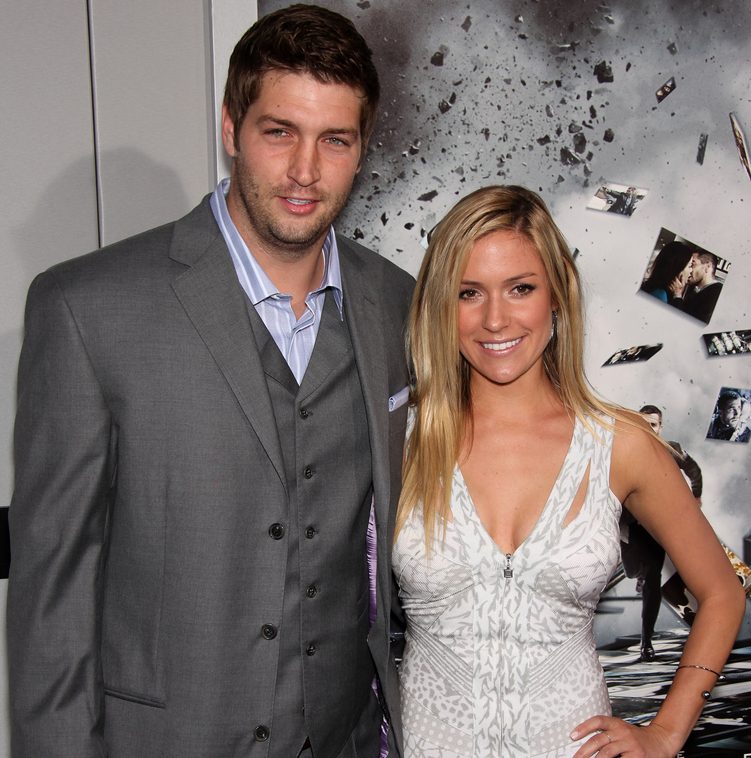
Kristin Cavallari and Jay Cutler
Police reported slurred speech, bloodshot eyes, and the odor of alcohol. Two firearms were found in his vehicle.
A civil lawsuit filed by Perry Lee, the driver he hit, now seeks damages for physical and emotional suffering.
The complaint also alleges that Cutler offered $2,000 not to call police - a claim that could influence punitive damages, even without separate bribery charges.
Cavallari and Cutler divorced in 2020 after seven years of marriage. Their post-split commentary, however, continues to spark legal conversation.
When Cavallari told fans she “never got a penny” from the divorce, Cutler publicly called the remark “reckless and false.”
Legal experts say his pushback reflects a growing wave of post-divorce defamation disputes, where personal storytelling overlaps with contract confidentiality.

Kristin Cavallari (@kristincavallari Instagram)
“Public defamation can apply just as easily in family disputes as in business disputes,” explains attorney Susan Moss of Chemtob Moss Forman & Beyda.
Morality clauses have become one of the most important tools in modern entertainment and sponsorship law.
Once seen as a safety net for brands, they now operate as a strategic instrument, allowing companies to balance public image with profit in an age when controversy spreads instantly online.
Q: How do morality clauses protect brands legally?
They give companies the right to end or renegotiate a deal if a celebrity’s behavior or that of a close associate creates reputational harm or financial risk.
Example: If a public figure is arrested or posts inflammatory content, the sponsor can lawfully withdraw from the partnership without breaching contract terms.
For legal practitioners, precision is everything. Drafting morality clauses too broadly can make them unenforceable; too narrowly, and they lose value.
Experts recommend language that covers conduct “bringing the party into public disrepute” while clearly defining the process for termination or remediation.
Today’s contracts go further, including crisis cooperation clauses that require the celebrity to coordinate with the brand’s PR and legal teams during public controversies rather than remaining silent.
These provisions signal a new era where damage control is contractual.
Dear Media’s decision to renew Kristin Cavallari’s multimillion-dollar podcast deal just after her ex-husband’s DUI sentencing exemplifies a striking trend lawyers now call “reputation inversion.”
The concept recognizes that, in today’s culture, overcoming scandal can sometimes strengthen a celebrity’s market value rather than diminish it.
Entertainment attorneys describe this as the evolution of contractual ethics: image recovery is now part of the business model.
Morality clauses have shifted focus from punishing bad behavior to rewarding resilience and reputation management.
This change has given rise to hybrid provisions like “reputation resilience” and “digital conduct” clauses, which compel talent to address negative publicity head-on, issue coordinated statements, or engage in rehabilitation efforts as part of their professional obligations.
Cavallari’s case demonstrates that relatability and recovery have become valuable assets in their own right, turning what used to be legal exposure into brand equity.
For lawyers, this shift underscores a crucial takeaway: in 2025, reputation is a quantifiable contract term.
Drafting modern morality clauses requires not only an understanding of defamation and contract law, but also of public relations, crisis management, and digital ethics.
What is a morality clause in celebrity contracts?
A morality clause is a legal provision that lets studios, brands, or networks end or adjust a deal if a celebrity’s conduct—or that of someone close to them—damages the brand’s image or violates company ethics standards.
Why is Kristin Cavallari’s $10M deal legally significant?
Because it highlights how morality clauses and reputation-management terms now shape modern entertainment contracts, especially when public scandals involve ex-spouses or family members.
Can a public comment after divorce be considered defamation?
Yes. If one ex-partner makes a false factual claim that harms the other’s reputation or career, it can meet the legal threshold for defamation even if said during an interview or podcast.
What civil liabilities does Jay Cutler still face after his DUI case?
Although his criminal sentence is complete, he remains a defendant in a civil negligence lawsuit seeking financial damages for emotional distress and physical injury from the 2024 crash.
How are entertainment lawyers adapting to digital-era reputation risks?
Lawyers now draft broader clauses that include social-media conduct, associate behavior, and crisis-response cooperation—making reputation management a central part of contract law.