Understand Your Rights. Solve Your Legal Problems


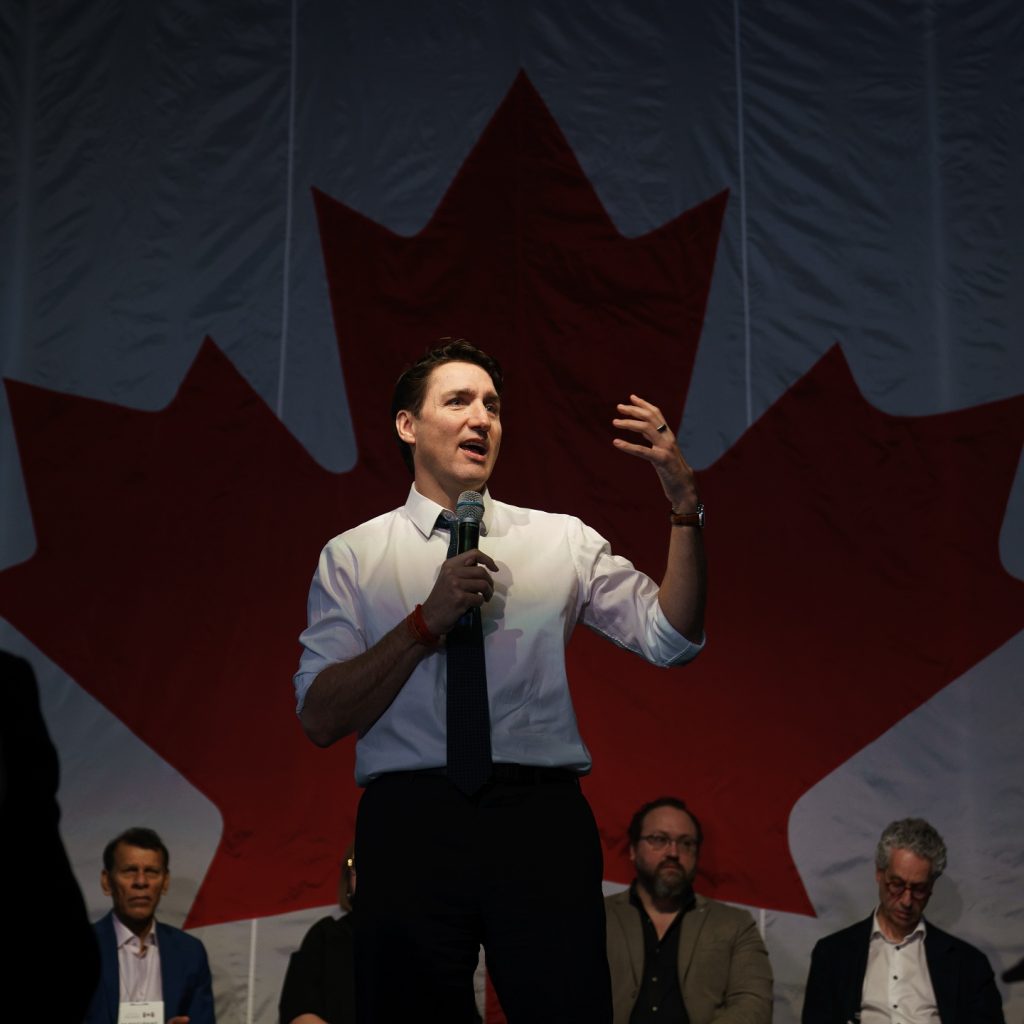
Former Canadian Prime Minister Justin Trudeau is facing renewed legal scrutiny following RCMP political interference allegations and a growing debate over his post-office accountability and privacy rights.
His transition from head of state to high-profile private citizen has become a defining legal case study of the digital era one that tests both institutional justice and personal privacy in the public eye.
Canada’s Royal Canadian Mounted Police (RCMP), long regarded as an institution of impartial enforcement, has recently come under scrutiny from opposition leader Pierre Poilievre, who contends that investigators may have failed to adequately examine alleged misconduct during Justin Trudeau’s administration.
Under Section 5 of the RCMP Act, the Commissioner is granted operational independence but remains accountable to the Minister of Public Safety, creating what constitutional scholars often describe as an inherent tension between autonomy and oversight.
Professor Errol Mendes of the University of Ottawa has argued that Canada’s justice system relies as much on public confidence as on adherence to the rule of law.
Even the perception of political interference, he cautions, can corrode that confidence and blur the boundary between governance and justice.
This debate closely parallels discussions in the United States regarding the independence of the Department of Justice in investigations involving Donald Trump, underscoring a shared challenge among democracies: how to uphold accountability for those in power without allowing the process itself to appear politicized.
Canada offers no constitutional immunity to former leaders. A prime minister may be charged like any citizen, though the political and institutional stakes are high.
Comparable cases - Trump in the U.S., Sarkozy in France, Netanyahu in Israel, show that prosecutions can both affirm and strain democratic systems.
According to legal scholar Kent Roach, Professor of Law at the University of Toronto, prosecuting a former prime minister is not merely a legal decision but a constitutional test of equality before the law.
For Trudeau, the allegations highlight the fragile boundary between independent oversight and political legacy - a balance every mature democracy must eventually define.
The growing public fascination with Justin Trudeau’s relationship with singer Katy Perry has evolved into a serious legal discussion about privacy, defamation, and jurisdictional enforcement.
When private images of the pair circulated globally earlier this year, lawyers revisited an enduring dilemma: Where does the public’s right to know end, and where does the individual’s right to privacy begin?
Under Canadian tort law, public figures possess limited avenues for redress through claims such as intrusion upon seclusion and misuse of private images, yet these doctrines were never designed for a borderless digital environment.
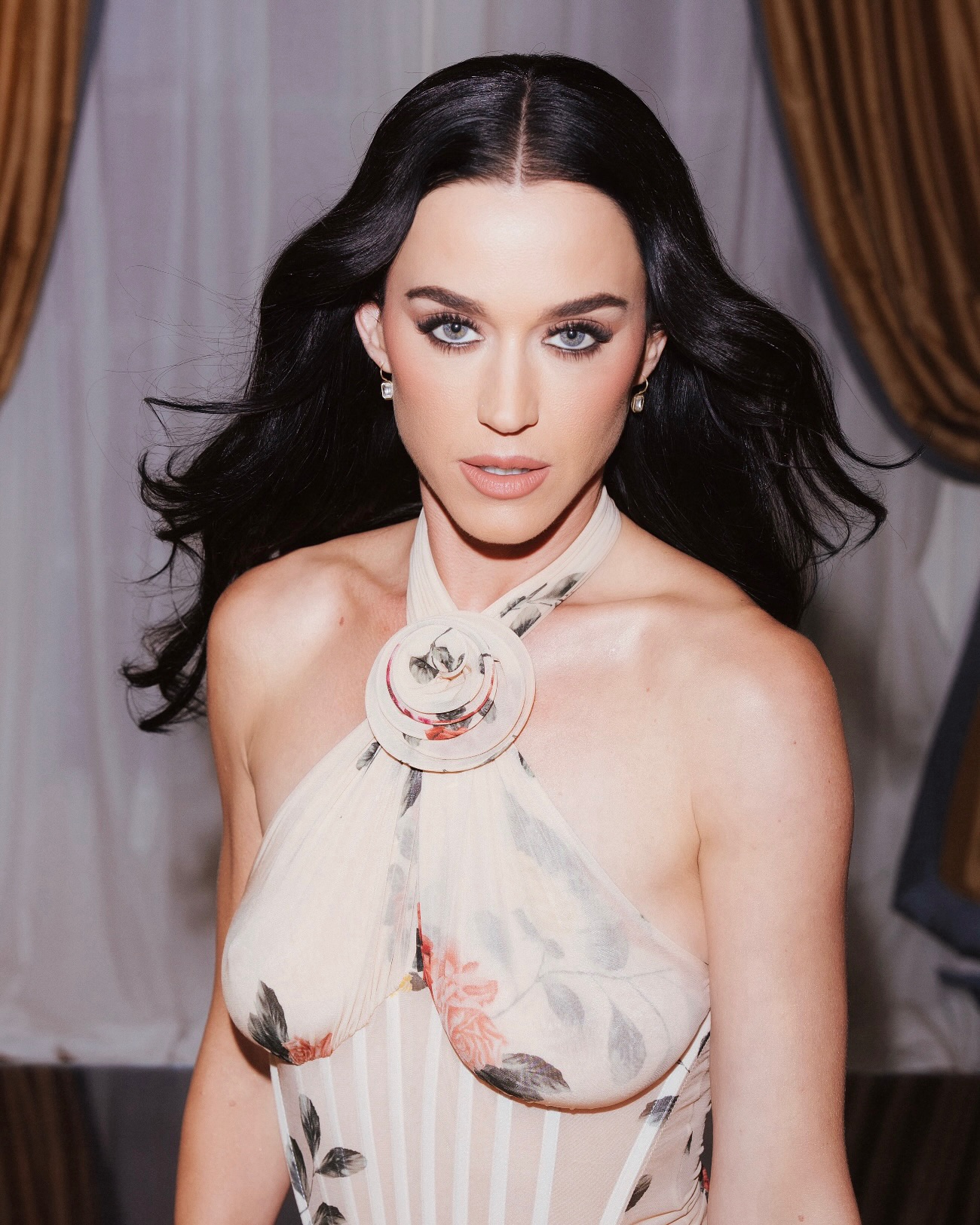
Singer Katy Perry’s name surfaced in legal debates over Justin Trudeau’s privacy rights and the limits of cross-border media law.
Canada recognizes privacy as an element of human dignity under its Charter of Rights and Freedoms, but enforcement weakens once material crosses into jurisdictions governed by stronger free-expression laws, particularly the United States.
Legal experts note that Canadian courts could affirm the principle of privacy in such circumstances but would struggle to enforce judgments internationally.
This widening gap between technological reach and legal remedy now defines the modern privacy landscape.
For Trudeau and for other figures living in the shadow of former office, the Perry episode underscores how fame and cross-border exposure increasingly test the limits of national law.
France’s conviction of Sarkozy, Israel’s trial of Netanyahu, and America’s pursuit of Trump mark a global shift toward holding former leaders legally answerable. Canada may soon face its own reckoning.
Policy analysts have suggested an independent post-office inquiry body, modeled on the U.K.’s Ministerial Code investigations, to depoliticize future probes and reinforce public trust.
At the same time, the Trudeau-Perry privacy saga reveals the opposite tension: even those who governed require legal space for private life.
Balancing transparency with dignity remains one of democracy’s most difficult tests.
In the AI-driven media era, that test is accelerating.
Every allegation, photograph, or algorithmic rumor now becomes part of an instant legal narrative. Courts move in years; the internet moves in seconds. Justice itself risks becoming a trending topic.
Justin Trudeau’s post-office chapter blends constitutional law, digital privacy, and media ethics into a cautionary case for modern governance.
Whether or not RCMP allegations advance, his experience illustrates how leadership in the 21st century carries a permanent afterlife, one governed as much by data as by doctrine.
What are the RCMP allegations against Justin Trudeau?
The RCMP has been accused of failing to pursue alleged misconduct during Trudeau’s premiership. While no direct interference has been proven, critics say the perception undermines confidence in Canada’s legal independence.
Can a former Canadian Prime Minister be prosecuted?
Yes. Former prime ministers have no constitutional immunity. However, initiating proceedings would be politically sensitive and historically unprecedented.
What legal issues surround Justin Trudeau and Katy Perry’s relationship?
Extensive media coverage of Trudeau’s rumored relationship with Katy Perry raises issues of privacy, defamation, and cross-border media law. Canadian torts protect reputation, but U.S. publishers enjoy First Amendment defenses, leaving limited recourse for international figures.
How does Canadian privacy law treat public figures?
Canadian courts recognize privacy rights through limited torts such as intrusion upon seclusion. Reporting deemed in the public interest, as defined in Grant v. Torstar Corp., usually overrides those claims.
How does Trudeau’s situation compare with Donald Trump’s legal challenges?
Trump faces formal criminal charges; Trudeau faces reputational inquiry. Both cases test how democracies balance free speech, accountability, and the legal limits of political fame.