Johnson & Johnson Average Payouts Could Reach £330,000 Per Person: £1 Billion UK Lawsuit Over Talc Cancer Claims
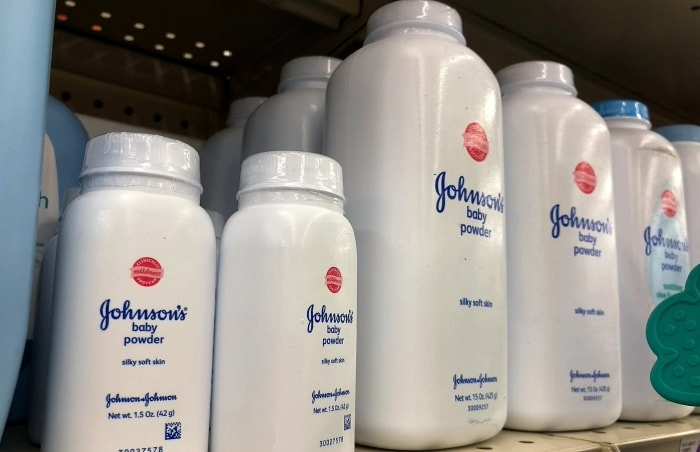
Thousands of people across the UK are suing Johnson & Johnson in a landmark group action valued at around £1 billion, alleging its talc-based baby powder caused cancer. The case, filed at the High Court in London by KP Law on behalf of more than 3,000 claimants, accuses the company of selling talcum powder contaminated with asbestos — claims that J&J strongly denies, stating its products were safe and asbestos-free.
If successful, the lawsuit could become the largest product liability case in British history, mirroring similar high-value verdicts already seen in the United States.
What Is the Johnson & Johnson Talc Lawsuit About?
The claim alleges that Johnson & Johnson’s talc products contained asbestos, a carcinogenic mineral known to cause mesothelioma and ovarian cancer, and that the company failed to warn consumers of potential risks.
In plain English: asbestos is a fibrous mineral once widely used in construction. When inhaled or absorbed over time, it can cause severe illnesses including cancer. The UK action claims J&J’s baby powder was contaminated due to talc being mined near natural asbestos deposits.
J&J, however, has consistently denied these allegations. The company says its talc was tested extensively, met all regulatory standards, and did not contain asbestos or cause cancer.
Internal Documents and the Allegations
According to court filings and reporting by the BBC, the claim references internal J&J documents from the 1960s and 1970s discussing talc testing and the potential for fibrous contamination. One 1973 memo allegedly mentioned trace mineral fragments “classifiable as fiber.” Another noted the possibility of keeping certain findings “confidential.”
The claimants argue these records show J&J knew of the potential risks but continued marketing the powder as safe. J&J disputes this interpretation, maintaining the documents are being mischaracterized and that none indicate asbestos contamination.
J&J ceased UK sales of its talc-based baby powder in 2023, replacing it with a cornstarch version — a move the company says was made for commercial reasons, not due to safety concerns.
How Much Could Victims Receive?
If total compensation reaches around £1 billion, the average payout per claimant could range between £250,000 and £330,000, though awards would vary depending on illness severity, age, earnings, and dependency.
Typical UK compensation ranges in comparable asbestos and cancer cases include:
-
Ovarian cancer (serious cases): typically between £70,000 – £250,000
-
Mesothelioma: often £150,000 – £400,000+
-
Fatal claims (bereavement & dependency): £100,000 – £400,000+
Unlike U.S. courts, UK law does not award punitive damages, focusing instead on actual loss and suffering.
Legal definition: Under the Consumer Protection Act 1987, manufacturers can be held liable if a product is proven to be defective and has caused harm, even if no negligence is proven. This forms the legal basis of the UK talc action.
Connection to U.S. Cases
The UK filing follows a series of large U.S. verdicts against J&J, including an October 2025 Los Angeles jury award of $966 million to the family of Mae Moore, who died from mesothelioma after lifelong baby powder use. J&J has said it will appeal that decision.
While American juries can issue massive punitive damages, UK courts are limited to compensatory awards. Nonetheless, British lawyers estimate the combined value of UK claims could reach £1 billion based on similar patterns of exposure and illness.
J&J and Kenvue Response
A spokesperson for Kenvue, which now oversees J&J’s consumer health products, said:
“Our talc-based baby powder was compliant with all applicable regulatory standards, did not contain asbestos, and does not cause cancer. The safety of our products has been confirmed by decades of independent testing.”
The company emphasized its commitment to transparency, citing “extensive scientific data and regulatory reviews” in support of talc safety.
Legal Experts: “A Defining Test for UK Product Liability”
Legal observers describe the case as a potential turning point in British product liability law.
“This is a defining test for how UK courts handle mass torts involving global corporations,” said a London-based product liability barrister. “It could reshape how collective claims are managed in future.”
Early hearings are expected in 2026, focusing on document disclosure and expert evidence on asbestos detection and medical causation. The proceedings could span several years.
Johnson & Johnson UK Cancer Payout People Also Ask
Does Johnson & Johnson still sell talc baby powder in the UK?
No. The company stopped selling talc-based baby powder in 2023, replacing it with a cornstarch version.
Was asbestos found in all talc?
Not necessarily. Talc is a naturally occurring mineral that can sometimes be found near asbestos deposits. The claimants argue J&J’s talc was contaminated; J&J maintains its products were asbestos-free.
How big is the UK lawsuit?
Filed by KP Law on behalf of over 3,000 people, the action could be worth up to £1 billion, according to early estimates based on the number of claimants and potential damages.
How much could each person receive from the Johnson & Johnson lawsuit?
Estimates suggest that individual payouts could range between £250,000 and £330,000, depending on diagnosis, prognosis, age, lost income, and family dependency. These figures are illustrative averages based on comparable UK asbestos and cancer cases — actual awards will vary depending on the court’s findings.
Key Takeaway
With more than 3,000 claimants, an estimated £1 billion at stake, and allegations stretching back decades, the Johnson & Johnson talc lawsuit could become the largest product liability action in UK history — and a pivotal moment in how British courts balance consumer protection, corporate accountability, and scientific evidence.