


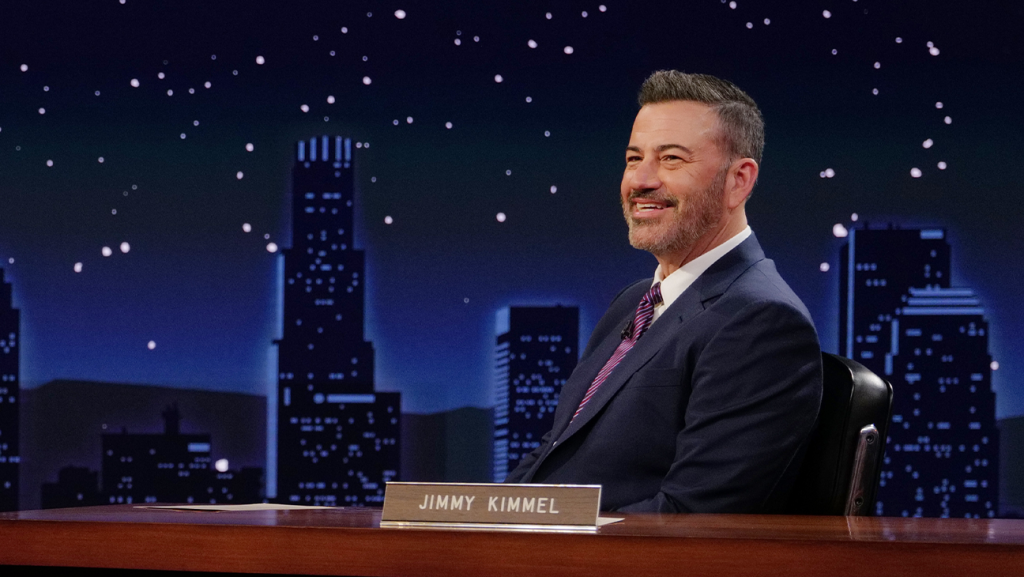
Jimmy Kimmel Suspension Smashes Disney+ Subscriptions - 7.1 Million Customer Exodus
The controversy surrounding ABC's temporary suspension of Jimmy Kimmel Live! has erupted from a late-night media spat into a full-blown financial crisis for the Walt Disney Company.
New, shocking data obtained by subscription analytics firm Antenna reveals that the fallout from the suspension, which critics say was triggered by government pressure sent a massive shockwave through the company's streaming base, triggering a dramatic surge in cancellations for both Disney+ and Hulu.
In the politically charged days following the move, over 7.1 million Americans - a combined figure for both platforms abruptly canceled their subscriptions.
This is an unprecedented reaction that puts the company’s subscription numbers squarely at the intersection of media, politics, and the First Amendment.
The Numbers That Rocked Disney’s Streaming Empire
Antenna’s analysis for September 2025 shows the churn rate, the percentage of subscribers who cancel monthly more than doubled for both key Disney streaming services, directly coinciding with the backlash over the Kimmel suspension:
| Platform | Monthly Churn Rate (Avg) | Churn Rate (Sept 2025) | Estimated Sept Cancellations |
| Disney+ | 3% - 4% | 8% | 3 million |
| Hulu | 4% - 5% | 10% | 4.1 million |
The 7.1 million cancellations were a potent, immediate response to the company’s decision to pull Kimmel’s show on September 17.
The move came just hours after FCC Chair Brendan Carr publicly criticized the host’s monologue in which Kimmel commented on conservative activist Charlie Kirk’s death and seemingly threatened regulatory action against ABC affiliates.
The $4 Billion Financial Fallout
The public outrage translated instantly into investor panic. Following the suspension and the wave of boycott calls, Disney stock (NYSE: DIS) plummeted, shedding an estimated $4 billion in market value in the immediate aftermath.
This financial bleeding has not stopped with subscriptions; it has attracted the attention of shareholders.
Reporters Without Borders Inc. and the American Federation of Teachers, citing the "significant declines" in stock value, have formally demanded an internal investigation into Disney's decision-making process, alleging that the board breached its fiduciary duty by placing "improper political or affiliate considerations above the best interests" of the company and its stockholders.
Free Speech and Government Coercion
This is more than a celebrity scandal; it is a critical new battleground for free speech.
The core issue is whether a private company like Disney was effectively coerced by the government into censoring its host.
The First Amendment protects citizens from direct government censorship. However, legal experts are now raising the alarm about "jawboning," a practice where federal officials use regulatory threats to subtly pressure private entities into punishing speech the government dislikes.
- The Regulator's Warning: FCC Chair Carr's pointed remarks, including a warning that broadcasters could "face additional work with the FCC," were seen by constitutional scholars as crossing the line.
- The Precedent: Legal minds point to the 1963 Supreme Court case Bantam Books, Inc. v. Sullivan, which ruled that informal government pressure on distributors to suppress content can constitute unconstitutional censorship, or a "chilling effect."
- The Corporate Risk: For Disney, with broadcast licenses and major mergers pending federal approval, ignoring a top regulator's thinly veiled threat was deemed too great a business risk. The company’s swift decision to suspend Kimmel—and then reinstate him days later following the public outcry—highlights the terrifying corporate tightrope they are walking.
Legal Analyst’s Take: "The danger here isn't a smoking gun censorship order," explains a prominent media law attorney. "It’s the appearance that a multi-billion dollar corporation, in fear of a regulator, chose to silence a comedian. That sends a powerful, chilling message that puts profits over principle."
The Streisand Effect: Kimmel's Triumphant Return
In a stunning vindication of the host, the suspension triggered a massive "Streisand Effect" on broadcast television.
- Kimmel’s highly anticipated return episode drew an estimated 6.26 million broadcast viewers—about four times larger than his seasonal average and the show's biggest audience in nearly a decade.
- His monologue alone racked up over 26 million views across YouTube and social platforms, demonstrating that the attempt to silence him only amplified his voice to record levels.
- The surge was so large that Jimmy Kimmel Live! posted its first-ever monthly ratings win in the 11:35 PM time slot, according to Nielsen data for September.
The New Subscriber Paradox: A Volatile Market
The wave of cancellations was partially offset by an influx of new sign-ups. Antenna data confirms that in September, Disney+ added an estimated 2.2 million new subscribers, and Hulu added 2.1 million.
This paints a picture of a volatile, politically divided consumer base. The new sign-ups are attributed to several factors, including:
- Price Hike Backlash: The cancellations may have been accelerated by notifications of Disney’s planned subscription price increases, which took effect this month.
- Sports and Bundles: The start of the NFL season, which includes ESPN streaming rights, likely drove some new subscriptions.
- Protest Subscriptions: Some consumers may have actively subscribed to support the company after it reinstated Kimmel, using their wallets to support the principle of creative freedom.
Regardless, the simultaneous surge in both cancellations and sign-ups confirms that for Disney, the Kimmel affair was not merely a PR headache, it was an unprecedented emotional and transactional event that has reshaped its immediate financial outlook.
A New Era of Political Streaming
The Jimmy Kimmel suspension saga proves a stark new reality for Hollywood: entertainment platforms are now inseparable from political flashpoints.
The massive 7.1 million customer turnover signals that audiences are willing to use their subscription dollars to actively protest perceived injustices, whether it’s censorship or caving to political pressure.
For Disney, this crisis has illuminated the dangerous legal and brand risks of navigating the world of partisan commentary while maintaining a $170 billion global brand and facing potential shareholder litigation over its choices.
People Also Ask
1. Why was Jimmy Kimmel suspended by ABC?
Jimmy Kimmel was suspended after a controversial monologue on Jimmy Kimmel Live! referencing conservative activist Charlie Kirk’s death. His remarks drew sharp criticism from FCC Chair Brendan Carr, who warned broadcasters could “face additional work with the FCC.” Within hours, ABC—owned by Disney—announced the show would be “off-air indefinitely.”
2. Did government pressure influence Disney’s decision to suspend Jimmy Kimmel?
Legal experts believe the suspension raises serious First Amendment concerns. Although the FCC cannot directly censor speech, its threats can create what scholars call “jawboning”—when regulators pressure private companies into suppressing content. In Bantam Books, Inc. v. Sullivan (1963), the U.S. Supreme Court ruled that informal government pressure on distributors to suppress speech is unconstitutional.
3. How many people canceled Disney+ and Hulu after the suspension?
Antenna data shows more than 7.1 million combined cancellations in September 2025—approximately 3 million on Disney+ and 4.1 million on Hulu—marking one of the largest consumer backlashes in Disney’s history.
4. How did Jimmy Kimmel’s return impact ratings?
The backlash transformed into what analysts call the “Streisand Effect.” His return episode drew 6.26 million broadcast viewers, nearly four times his average audience, and generated 26 million online views, making it Jimmy Kimmel Live!’s highest-rated broadcast in nearly a decade.
5. What are the legal implications of the Kimmel suspension?
Constitutional lawyers warn the case may test the boundaries of the First Amendment in the digital era. As media attorney Floyd Abrams has said, “Even when the government doesn’t directly censor, its threats and pressures can chill speech just as effectively.” Disney’s decision may also expose it to shareholder-rights litigation, with groups alleging the board prioritized political pressure over fiduciary duty.
6. What is ‘jawboning,’ and why does it matter here?
“Jawboning” refers to government officials using informal threats or regulatory leverage to influence private companies’ speech decisions. The practice sits in a gray area between regulation and censorship. Legal scholars argue that FCC Chair Carr’s remarks fit this description, blurring the line between lawful oversight and unconstitutional coercion.
7. How much did Disney lose during the backlash?
Following the suspension, Disney’s stock reportedly fell by nearly $4 billion in market value, adding to the streaming cancellations and prompting calls from shareholder groups for an internal investigation into whether executives breached their fiduciary duties.
8. What does this controversy mean for free speech in entertainment?
The Jimmy Kimmel controversy underscores the growing collision between politics, media law, and corporate accountability. It reveals how federal influence, public outrage, and shareholder activism can converge to reshape decisions inside major entertainment companies. Legal observers warn it could become a modern test case for how far the government may go in pressuring private media to silence critical voices.














