Hair Straightener Lawsuits Surge: L’Oréal and Beauty Giants Face $10 Billion Cancer Reckoning
Recent scientific studies and a surge in litigation are intensifying scrutiny on the cosmetics industry regarding the safety of chemical hair straighteners and relaxers.
The ongoing legal challenge alleges a link between the use of these products and an increased risk of hormone-sensitive cancers, including uterine and ovarian cancer.
The litigation has rapidly escalated into a Multidistrict Litigation (MDL), currently comprising over 10,500 lawsuits against major beauty manufacturers, including L'Oréal and Strength of Nature.
The legal proceedings are now focused on a critical discovery phase, with the core issue centering on the manufacturers’ alleged failure to warn consumers about the risks associated with endocrine-disrupting chemicals (EDCs) in their products.
This fast-moving legal crisis has significant implications for product liability law, corporate risk, and consumer safety standards within the industry.
The Alarming Health Statistics: Cancer Risk Soars
The scientific evidence linking chemical hair straighteners to serious cancer diagnoses is growing rapidly.
A major Emory University study, published in the Journal of the National Cancer Institute, delivered a stunning warning:
- Women who frequently use chemical hair-straightening products are up to 166% more likely to develop pancreatic cancer than non-users.
- The study, which tracked over 46,000 women for more than a decade, also showed significantly higher rates of other cancers among users: thyroid cancer (71%) and non-Hodgkin’s lymphoma (62%).
This builds on the groundbreaking 2022 National Institutes of Health (NIH) Sister Study which found that women who used straighteners more than four times a year were more than twice as likely to develop uterine cancer.
The Hidden Poison: Formaldehyde and Endocrine Disruptors
The heart of the problem lies in the toxic ingredients:
- Formaldehyde: This is a key component in many straightening products, including "Brazilian blowouts." It is classified as a known human carcinogen by the World Health Organization (WHO) and the U.S. EPA. When heated, it releases a carcinogenic gas called off-gassing.
- Endocrine-Disrupting Chemicals (EDCs): Ingredients like phthalates and parabens are also under scrutiny. These EDCs can mimic or interfere with the body's natural hormones, potentially triggering hormone-sensitive cancers such as uterine, ovarian, and breast cancer.
The Lawsuits Explode: L’Oréal and Others Under Fire
Following the scientific revelations, a torrent of legal action has put the beauty industry on defense.
The core of the litigation is a consolidated federal lawsuit, the Multidistrict Litigation (MDL No. 3060), based in Chicago.
As of October 2025, there are over 10,552 active lawsuits consolidated in this MDL alone.
| Litigation Snapshot (October 2025) | Details |
| Total Lawsuits | Over 10,552 in the federal MDL. |
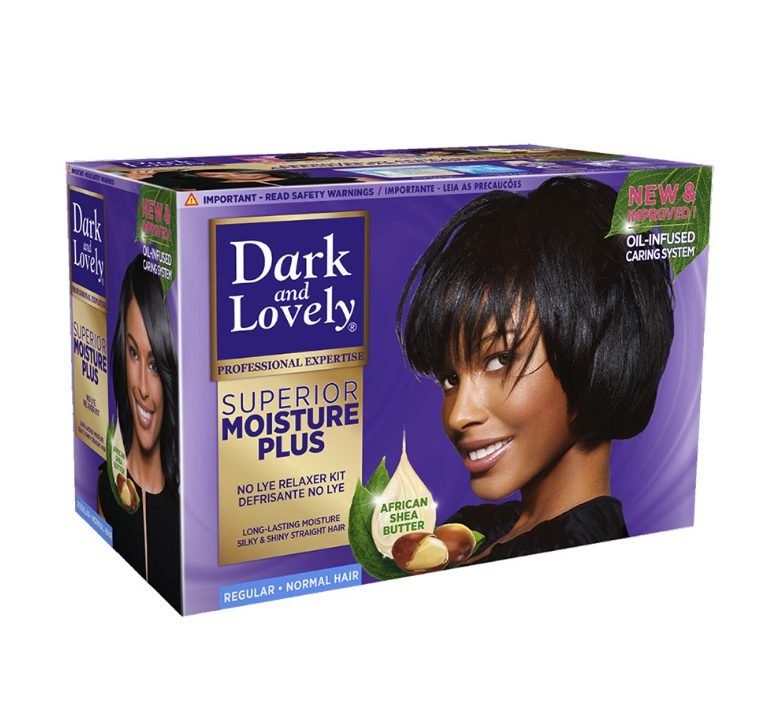
| Primary Defendants | L’Oréal (makers of Dark & Lovely, SoftSheen-Carson), Strength of Nature, and others. |
| Legal Claim | Product liability—alleging defective design and failure to warn consumers about the carcinogenic risks. |
| Key Dates | A critical "Science Day" is scheduled for January 2026, where both sides will present the medical and scientific evidence to the court. The first test trials (bellwether trials) are anticipated in 2027. |
Plaintiffs' attorneys argue these manufacturers knew or should have known about the dangers yet prioritized profit over public safety.
As attorney Tyrone Blackburn, who represents many plaintiffs, stated:
“These companies have profited for decades off products that disproportionately target women of color while knowing about the potential health risks. The science is finally catching up, and the law is following.”
Legal experts are comparing the scale of this litigation to the historic tobacco and asbestos lawsuits, suggesting billions of dollars in potential damages are on the line.
The claims in the MDL reflect a larger pattern of litigation against cosmetic giants. For a deeper look at the legal and regulatory issues that allow products with potential hazards to remain on the market, one can review in this article, Defective Products Intended for Women: A Saga of Suffering
Furthermore, the legal scrutiny on L'Oréal specifically is not limited to relaxers; another case, detailed in Hairdresser Sues L'Oreal Over Cancer Linked to Hair Dyes, highlights similar allegations of cancer-causing chemicals in the company’s products.
A Civil Rights Battle: Targeted Marketing and Racial Disparity
The hair straightener crisis is not just a health issue; it's a profound environmental justice issue.
The Emory and NIH studies exposed a sharp racial disparity in who uses these products—and who is most at risk:
- 66% of Black women reported using chemical hair relaxers or straighteners.
- This compares to 25% of Hispanic/Latina women and only 1.3% of White women.
Because these products are and have been heavily marketed toward Black women for decades, the resulting cancers represent a terrifying public health disparity.
Dr. Kimberly Bertrand, an epidemiologist, notes: "We are seeing targeted marketing of toxic beauty products toward women of color."
This fact is central to the lawsuits, as plaintiffs argue the companies were negligent in selling highly toxic products to a specifically targeted consumer group without sufficient warnings.
Is a Ban Coming? Regulatory Chaos
Despite the mounting evidence and the explosion of lawsuits, the U.S. has been slow to act.
- The FDA proposed a national ban on formaldehyde and related chemicals in hair straighteners in October 2023, but it has not been finalized, leaving a dangerous gap in federal oversight.
- In contrast, the European Union banned formaldehyde in cosmetics years ago.
- Several U.S. states, including California, Minnesota, Maryland, and Washington, have moved forward with their own bans, with Washington State's Toxic-Free Cosmetics Act prohibiting formaldehyde starting in January 2027.
Until a federal ban is in place, millions of consumers remain exposed to these potential carcinogens.
What to Do Next: Your Legal Rights
If you or a family member used chemical hair straighteners or relaxers (especially brands like Dark & Lovely, SoftSheen-Carson, or Motions) and were later diagnosed with a hormone-sensitive cancer, including uterine cancer, ovarian cancer, endometrial cancer, or uterine fibroids requiring a hysterectomy, you may have a valid legal claim.
- Don't Delay: Most states enforce a Statute of Limitations, which means you have a limited time (often 2 to 3 years from discovery) to file a personal injury claim.
- Keep Records: Gather any evidence of use: receipts, product bottles, or salon records.
- Medical Documentation is Key: Ensure you have records of your cancer diagnosis and treatment.
The scientific and legal tide is turning. As the evidence continues to accumulate, the pressure on the multi-billion-dollar cosmetic industry to settle these claims is intensifying. Now is the time for affected consumers to seek justice and hold these companies accountable.
People Also Ask (PAA)
1) Do chemical hair straighteners really increase cancer risk?
Several peer-reviewed studies (including the NIH Sister Study and recent Emory research) report higher risks of hormone-related cancers among frequent users. Association ≠ proof of causation for every person, but the signal is strong enough to drive FDA attention and mass-tort litigation.
2) Which cancers are most often mentioned?
Uterine cancer (notably in the 2022 NIH Sister Study), plus elevated risks reported for ovarian, endometrial, thyroid cancer, non-Hodgkin’s lymphoma, and—per newer research—pancreatic cancer among frequent users.
3) What ingredients are under the most scrutiny?
Formaldehyde/formaldehyde-releasers (off-gassing when heated) and endocrine-disrupting chemicals (EDCs) such as certain phthalates and parabens.
4) Are specific brands named in lawsuits?
Complaints commonly reference brands marketed as chemical relaxers/straighteners (e.g., Dark & Lovely/SoftSheen-Carson and others). Allegations include failure to warn and defective design. (Brand inclusion varies by case.)
5) What is MDL 3060 and why does it matter?
It’s the federal Multidistrict Litigation consolidating thousands of hair-relaxer lawsuits for coordinated pretrial proceedings in one court. It streamlines discovery, expert issues, and bellwether trials—but each plaintiff’s claim remains individual.
6) How do I know if I qualify to file a claim?
Typical factors include documented use of chemical straighteners/relaxers, a qualifying diagnosis (often hormone-related cancers), and medical records linking exposure and illness. A product-liability attorney can evaluate eligibility.
7) What evidence should I keep?
Receipts, product boxes, salon invoices or appointment history, photos of products used, and medical records (diagnosis, pathology, treatment timelines). A personal timeline of use (brand, frequency, years) is helpful.
8) Is there a deadline to file?
Yes—statutes of limitations apply and vary by state (often 2–3 years from diagnosis or discovery). Don’t wait; ask a lawyer about your state’s deadline and any tolling rules.
9) Will I owe legal fees upfront?
Most mass-tort/product-liability firms work on contingency: no upfront fees; they are paid a percentage if there’s a recovery. Always review the fee agreement carefully.
10) What compensation is typically sought?
Medical bills, lost income, pain and suffering, and in some cases punitive damages. Amounts depend on diagnosis, severity, age, prognosis, and proof of product exposure.
11) Is formaldehyde already banned in these products?
The FDA proposed a national ban on formaldehyde in hair straighteners (2023) but has not finalized it. Several U.S. states have passed or proposed restrictions; the EU bans formaldehyde in cosmetics.
12) Are there safer alternatives to chemical relaxers?
Heat-only straightening (with heat protectants), short-term smoothing products without formaldehyde-releasers, or protective styles. Always check ingredient lists and ventilate if heat is used.
13) Why is this also described as an environmental justice issue?
Usage is disproportionately higher among Black women due to decades of targeted marketing, so any risks fall unevenly—raising civil-rights and public-health concerns alongside product liability.
14) Can I join the MDL if I filed in state court?
Talk to your lawyer. Some cases can be removed/transferred; others proceed in state court. MDL centralizes federal cases only.
15) Is this medical advice?
No. This is legal/consumer information. Speak with your doctor about health decisions and a qualified attorney about legal rights.