Crisis for Marchesa Founder: Georgina Chapman Faces Foreclosure on $2.5 Million West Village Condo
A massive legal and financial storm is swirling around Georgina Chapman, the co-founder of luxury fashion label Marchesa and ex-wife of disgraced mogul Harvey Weinstein.
Just weeks after walking the red carpet with her partner, Oscar-winner Adrien Brody, Chapman's life has taken a dramatic turn. Her coveted two-bedroom apartment at 99 Jane Street in Manhattan's exclusive West Village is now the target of a full-blown foreclosure lawsuit.
According to explosive new court documents, the designer has received a chilling warning: "You are in danger of losing your home."
This is not a story about an everyday homeowner; it’s a high-stakes legal battle that exposes the lasting financial toll of the Harvey Weinstein scandal and the brutal reality of New York's tough real estate market.
The $2.5 Million Debt Deadline and Default Drama
In an incredible twist, the British designer originally paid cash for the West Village property in 2009, shelling out approximately $1.7 million.
However, financial pressures led Chapman and her brother, Edward Chapman (who is also the CEO of Marchesa), to re-mortgage the apartment twice.

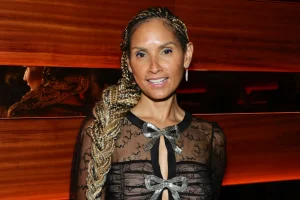
Georgina Chapman and partner Adrien Brody celebrate his BAFTA win earlier this year. Despite appearances, the Marchesa co-founder is now fighting a $2.5 million foreclosure lawsuit on her West Village condo. (Photo: @georginachapmanmarchesa Instagram)
The current crisis stems from a hefty $2.5 million loan secured through CrossCountry Mortgage, LLC in January 2022. The terms required monthly payments of $9,114.58 until 2052.
Legal filings confirm the siblings defaulted on the mortgage in November 2024. They are accused of failing to make payments for principal, interest, insurance, and property taxes.
Now, the complaint filed in New York Supreme Court demands the full, immediate payment of the entire loan balance, plus accumulated interest, late fees, and legal costs.
The foreclosure notice, dated October 15, 2025, sets the stage for a forced sale of the property unless the debt is cured.
The Unseen Financial Aftershocks
The mortgage mess is only one part of Chapman’s growing financial headache.
Her prestigious West Village address—known for its landscaped garden and high-end amenities—has also generated other significant debts:
- Unpaid Condo Dues: The 99 Jane Street Condominium Board has filed a separate lawsuit against Chapman and her brother for $7,898.67 in unpaid common charges and dues.
- Office Back Rent: In what points to wider business struggles, GFP Real Estate has reportedly sued the pair for a massive $1.4 million in back rent related to an office lease at 80 Eighth Avenue.
This trifecta of lawsuits suggests deep and ongoing financial pressure on the Marchesa co-founder, years after her public separation from Weinstein.
Marchesa’s Lingering Stain: Reputational Damage Becomes Financial Ruin
Once a favorite on the A-list red carpet, the Marchesa brand's reputation was catastrophically damaged by the 2017 Weinstein scandal.
While Chapman received a significant divorce settlement, estimated between $15 million and $20 million when her divorce was finalized in 2021, the fallout on her business appears to be a factor in her current predicament.
The brand's retail sales plummeted, and the company has continued to face public scrutiny and, critically, Better Business Bureau complaints alleging unreturned customer refunds and poor service.
One reviewer wrote: "I returned a dress in December and still haven’t received a refund despite dozens of calls and emails."
The financial struggle facing Chapman now casts a stark spotlight on how challenging it is for the brand to fully escape the shadow of its past, potentially linking a designer's personal reputation to her ability to keep her luxury home.
The Legal Lifeline: What the Foreclosure Law Says
In New York, foreclosure is a judicial process, meaning the lender (CrossCountry Mortgage) must win a court battle before selling the property. This fact is key for Chapman, as it gives her legal team a major opportunity to fight back.
Under New York State law, specifically the Real Property Actions and Proceedings Law (RPAPL), Chapman has powerful defenses:
- Challenging Legal Standing (RPAPL §1302-a): Chapman can argue the lender lacks the legal right to foreclose. A lender must prove they were the legal holder or assignee of the underlying note when the lawsuit began. If there’s a 'break in the chain' of paperwork or the loan was improperly transferred, the entire case could be dismissed. As legal experts note, "Foreclosure litigation is as much about documentation as it is about debt. A small paperwork error can change the entire outcome."
- Curing the Default: The simplest solution is also the most expensive—repaying all the missed payments and fees to reinstate the mortgage.
- Statute of Limitations: New York's law gives lenders only six years from the date the loan was accelerated to pursue the case. If the lender's timeline or actions are flawed, this procedural defense could also force a dismissal.
The law gives Chapman time, options, and a procedural battlefield to fight the foreclosure. But the clock is ticking.
The Immediate Danger
The latest legal filing in October 2025 has created an urgent, high-stakes situation. Chapman and her brother must now:
- Answer the Complaint: File a formal legal response in court to avoid a default judgment.
- Mount a Defense: Her lawyers will look for defects in the loan’s paperwork to challenge the lender's authority—a common and effective strategy in New York foreclosures.
- Seek a Settlement: She could attempt to negotiate a loan modification or a short sale with the bank to resolve the debt outside of a formal, public court-ordered auction.
Whether the fashion mogul can overcome this $2.5 million foreclosure battle, stave off the other lawsuits, and save her luxury West Village home remains to be seen.
For now, the legal system has given her a window, but the pressure to find a financial solution is immense.
This ongoing legal drama is a powerful reminder that in the world of Manhattan real estate, even the wealthiest and most well-connected are subject to the same unforgiving laws of debt and default.
People Also Ask
What does it mean when a property goes into foreclosure in New York?
In New York, foreclosure is a judicial process, meaning the lender must file a lawsuit to reclaim the property when the borrower defaults on payments. The borrower can contest the claim, negotiate a modification, or raise defenses such as improper documentation or lack of standing under RPAPL §1302-a.
Can Georgina Chapman legally stop the foreclosure on her West Village condo?
Yes, Chapman can fight the foreclosure in court by challenging the lender’s standing, proving payment errors, or negotiating a settlement. Her legal team may also invoke the statute of limitations or procedural irregularities to delay or dismiss the case.
What is RPAPL §1302-a, and how could it help homeowners?
RPAPL §1302-a is a New York law that allows homeowners to challenge whether a lender has the legal right (“standing”) to foreclose — even late in the case. If the lender cannot prove proper ownership of the mortgage and note, the foreclosure can be dismissed.
Why did Georgina Chapman face financial trouble after her divorce from Harvey Weinstein?
Although Chapman reportedly received a multimillion-dollar divorce settlement, her fashion brand Marchesa suffered reputational and financial losses after the Weinstein scandal, leading to lower sales and growing business debts that may have contributed to her current financial struggles.
What options does a borrower have after receiving a foreclosure notice in New York?
A borrower can reinstate the loan by paying arrears, negotiate a loan modification, sell the property before judgment, or file for bankruptcy to halt the process temporarily. Consulting an experienced foreclosure attorney early in the process is essential.