Robert Fico Shooter Juraj Cintula Gets 21 Years for Terror Attack
Concluding one of Slovakia's most politically consequential national trials, the court today delivered a 21-year prison sentence to the man convicted of shooting Prime Minister Robert Fico.
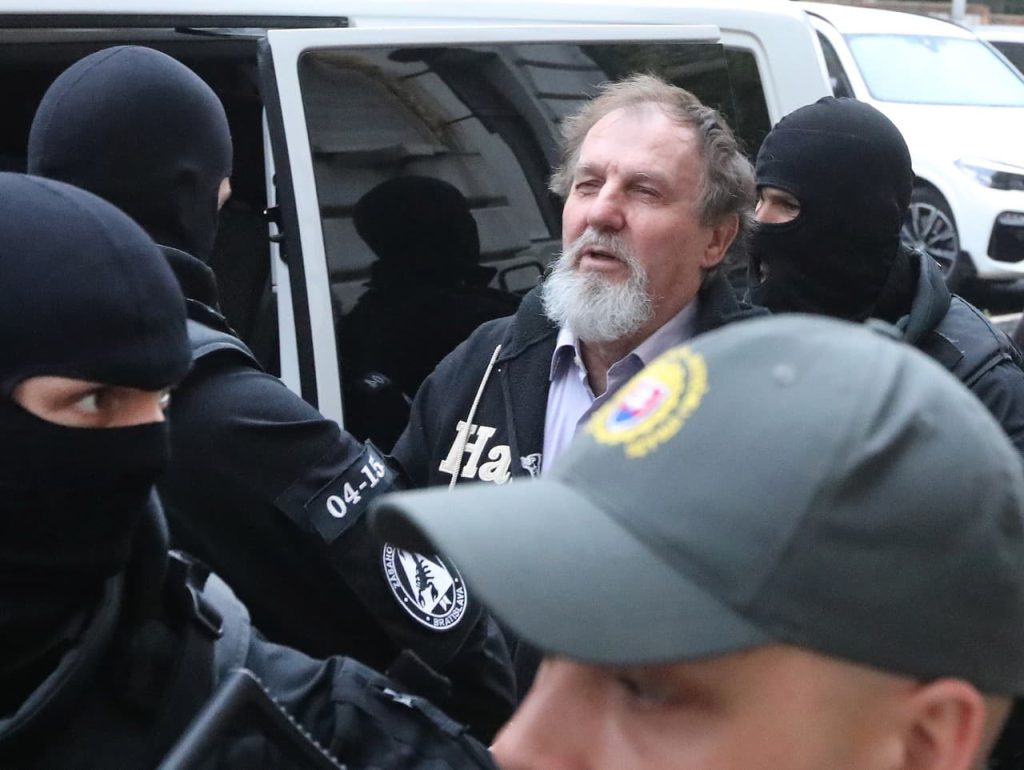
The attacker, 72-year-old poet Juraj Cintula, was not convicted of simple attempted murder, but of the far more serious charge of a terror attack for shooting the Slovak Prime Minister in May 2024.
The verdict, delivered today by the Specialized Criminal Court, sends a powerful message that politically motivated violence against a public official in Slovakia is considered an assault on the state itself.
From Dissent to Prison: The Shocking Details of the Attack
The attempted assassination of Slovak Prime Minister Robert Fico sent shockwaves across Europe, plunging the small EU nation into a state of political crisis.
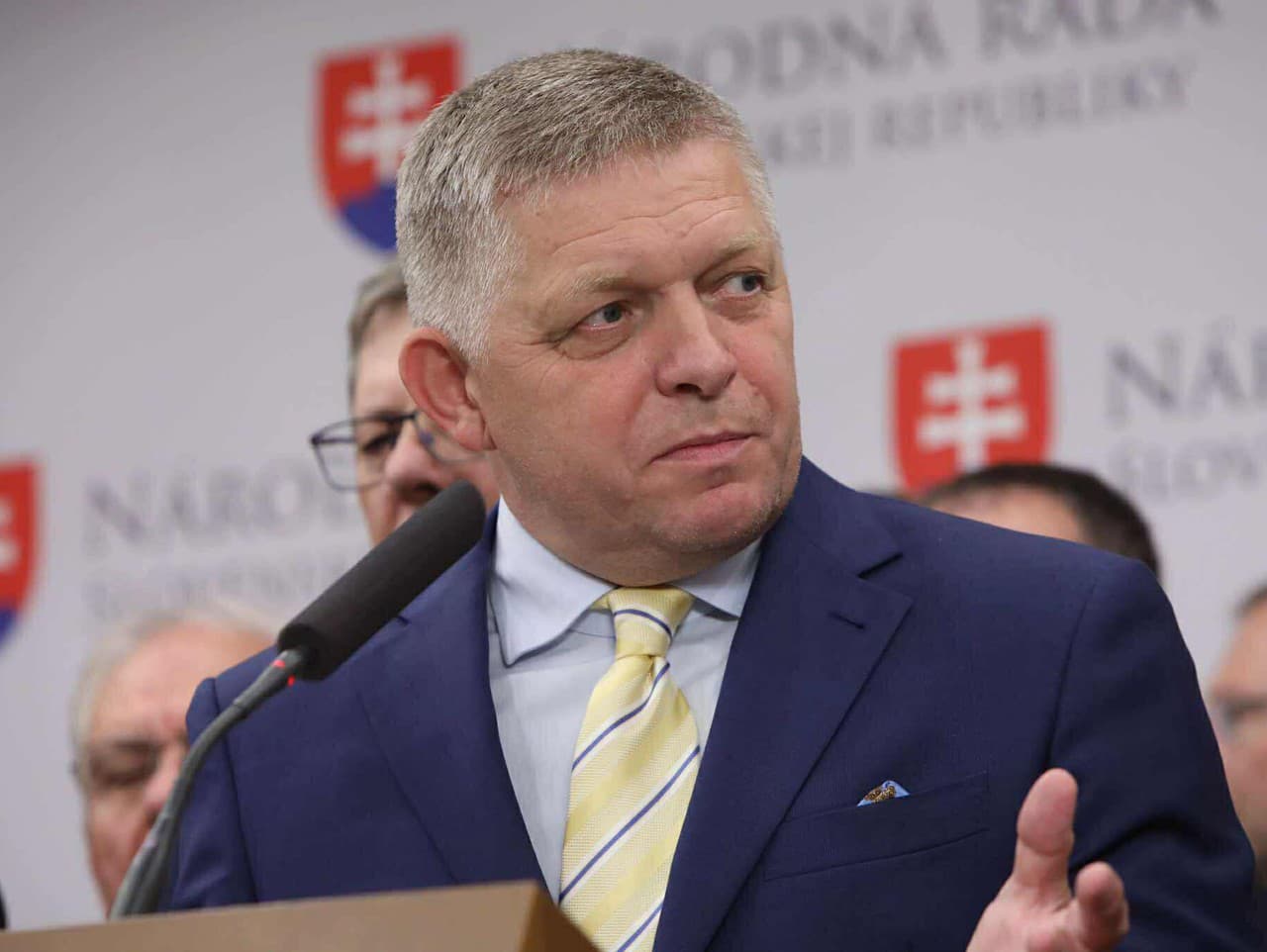
Slovak Prime Minister Robert Fico speaks publicly for the first time after surviving the May 2024 assassination attempt, which left him seriously injured and led to the conviction of Juraj Cintula under Slovak terrorism laws.
The incident occurred on May 15, 2024, in the town of Handlová, where Fico was greeting supporters after a government meeting.
The moment of the attack was sudden and brutal:
- Cintula, a pensioner from Levice, was standing in the crowd just outside the House of Culture.
- He opened fire on Fico at close range—approximately one meter away—firing five rounds from a handgun.
- The Prime Minister was struck multiple times, including in the abdomen, and was immediately airlifted to a hospital in Banská Bystrica, where he underwent life-saving emergency surgery.
- Cintula was arrested at the scene.
The Attacker's Motivation: Why Did He Shoot PM Fico?
During the investigation, Juraj Cintula admitted he was motivated by his strong disagreement with the Fico government's policies.
His grievances reportedly included the cancellation of a special anti-corruption prosecution office, the end of military aid for Ukraine, and the government’s approach to culture.
Crucially, Cintula claimed he only intended to "harm the health" of the Prime Minister, not to kill him. This was part of the defense's strategy to argue for a lesser sentence.
"I decided to harm the health of the prime minister but I had no intention to kill anyone," Cintula's testimony, read aloud in court, stated.
Why 'Terrorism' Instead of Attempted Murder?
The most pivotal aspect of this case, and the reason for the heavy 21-year sentence, is the legal charge. Prosecutors initially charged Cintula with attempted murder, but later upgraded it to a terror attack - a move we covered earlier in detail here.
The Law Behind the Verdict
The court's conviction hinges on Slovak Criminal Code Section 419, which defines a terrorist attack not just by the scale of violence, but by its political intent. The law states that an act is terrorism if it is committed with the purpose of:
- Damaging or disrupting the nation’s constitutional system.
- Intimidating the population.
- Coercing the government to act or abstain from acting.
Presiding Judge Igor Králik was clear in delivering the unanimous verdict: "The defendant did not attack a citizen, but specifically the prime minister... He was against the government, he was inciting people to overthrow the government."
This distinction made all the difference. The court concluded that because Cintula’s goal was to protest and destabilize the government, his shooting of a top state official qualified as an offense against the entire democratic state—a terror attack—not just a violent crime against a private individual.
As international law scholar Dr. Martin Štefko noted: "In Slovak and Czech jurisprudence, terrorism is not just about large-scale destruction. It is also about the purpose—if the attack aims to influence the government or public order, that is terrorism under European standards."
Why Not a Life Sentence?
While a terror conviction can carry a life sentence, the court applied mitigating factors that reduced the term to 21 years. These factors included the defendant's advanced age (72 years old) and the fact that he had no prior criminal record.
The Political Volcano: Fico's Recovery and National Division
Prime Minister Robert Fico survived the assassination attempt after extensive medical care and has since returned to his political role. However, the shooting did little to heal Slovakia's deep political divisions.
The incident instantly became a flashpoint. Fico and his allies, from the populist Smer (Direction) party, immediately pointed the finger at the liberal opposition and media, accusing them of cultivating the political hatred that led to the attack.
Critics of the government, in turn, described the shooting as a "tragic symptom of growing extremism" fueled by the country's heated political rhetoric.
The sentencing of Juraj Cintula closes the criminal chapter of this drama, but it highlights the growing peril of political radicalization in Central Europe.
The Fico shooting is now a defining moment, underscoring the legal consequences for individuals who choose violence as a form of political protest.
What Happens Next? The Legal Aftermath
The verdict of 21 years is not yet final. Cintula's legal team has reserved the right to appeal the decision, which is their right under Slovak criminal procedure. If an appeal is filed, it will be reviewed by the Supreme Court of the Slovak Republic.
The case has already set a crucial legal precedent by classifying politically motivated "lone-wolf" attacks on high-ranking officials as terrorism.
It also sits within a broader EU rule-of-law context, illustrated by recent court actions over member states’ compliance with EU legal standards — see our coverage here.
This aligns Slovakia's approach with broader European Union anti-terror directives, signalling that violence aimed at disrupting the constitutional order will be met with the full force of anti-terrorism law.
The former poet, who was escorted from the courtroom shouting "It is unjust," now faces two decades in a high-security correctional facility.
Juraj Cintula was not just a disgruntled citizen, but a terrorist who sought to violently coerce the government.