Understand Your Rights. Solve Your Legal Problems


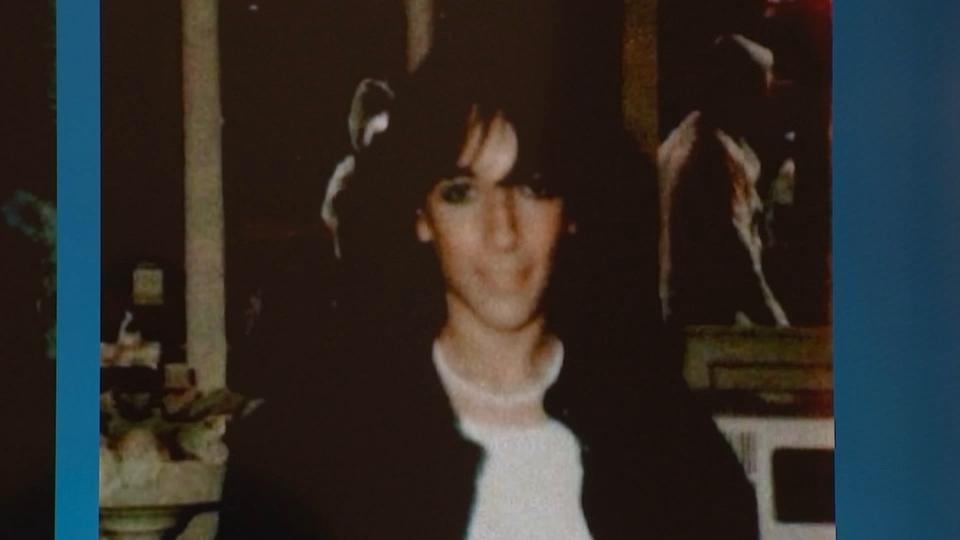
Four decades after 16-year-old Theresa Fusco vanished from a Long Island roller rink, a DNA match from a discarded smoothie straw has led to the arrest of 63-year-old Richard Bilodeau, ending one of New York’s longest-running cold cases.
When Theresa Fusco finished her shift at Hot Skates in Lynbrook, New York, on a chilly November night in 1984, no one imagined it would be the last time she was seen alive.
The 16-year-old disappeared on her way home; a month later, her body was discovered in nearby woods. She had been raped and strangled, her promising life brutally cut short.
For forty years, the case became a symbol of justice delayed, three innocent men were wrongly convicted, later exonerated by DNA testing, and the real killer vanished into obscurity.
That is, until investigators turned their attention to a quiet Walmart worker named Richard Bilodeau.
In February 2025, Nassau County detectives secretly collected a straw Bilodeau had discarded at a smoothie shop in Suffolk County.
Forensic analysts extracted DNA from it and matched it to genetic material preserved from the Fusco crime scene in 1984 - a match authorities call “indisputable.”
When confronted by investigators, Bilodeau allegedly uttered the eerie words:
“People got away with murder back then.”
Bilodeau, who once lived less than a mile from both Theresa’s home and the roller rink, was charged with second-degree murder and rape.
He pleaded not guilty at his October 15, 2025 arraignment and remains held pending trial.
The arrest underscores how modern DNA forensics, touch DNA analysis, and discarded-item testing are revolutionizing unsolved cases.
Under U.S. law, genetic material left in public like a cup or straw, is considered abandoned property, meaning police can test it without a warrant.
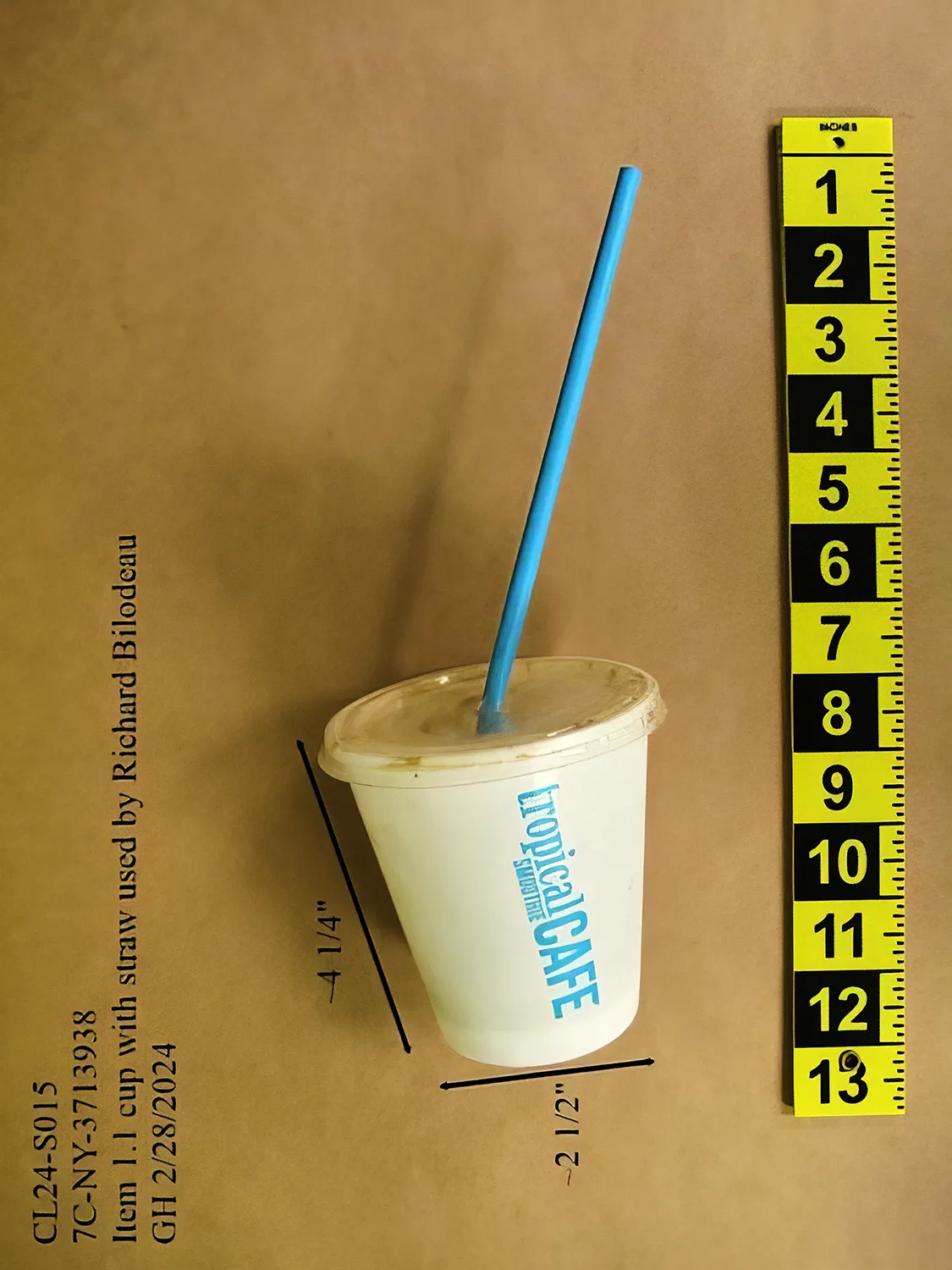
Investigators photographed this Tropical Smoothie Café cup and straw, which prosecutors say helped link Richard Bilodeau to the 1984 murder of Theresa Fusco through DNA testing. (Photo: Nassau County District Attorney)
That legal gray area, once controversial, has become a powerful weapon for prosecutors.
Similar tactics cracked the Golden State Killer, the Gilgo Beach murders, and now, the Theresa Fusco case, nearly forty years later.
The Fusco case is more than a triumph of modern forensic science, it’s also a haunting reminder of how fragile the justice system can be when built on flawed evidence and outdated methods.
In 1986, three Long Island men - John Kogut, John Restivo, and Dennis Halstead, were arrested, charged, and ultimately convicted of Theresa Fusco’s murder.
Their convictions rested on confessions extracted under extreme pressure and on physical evidence later proven unreliable.
For nearly twenty years, they lived behind bars branded as killers, their families ostracized and their futures destroyed.
When DNA testing finally became advanced enough to re-examine the evidence in the early 2000s, it revealed what they had claimed all along, they were innocent.

Richard Bilodeau, now 63, has been charged with the 1984 rape and murder of 16-year-old Theresa Fusco after DNA from a discarded straw allegedly matched evidence from the original crime scene.
In 2003, their convictions were overturned. The exonerations sparked widespread outrage and led to multimillion-dollar settlements against Nassau County and the City of Glen Cove.
More importantly, they forced a hard look at the interrogation tactics, forensic limitations, and prosecutorial pressures that defined many investigations of the 1980s.
For legal scholars and reform advocates, the Fusco case became a textbook example of how tunnel vision can distort justice.
It contributed to growing support for the Innocence Project and helped shape state-level reforms, including mandatory video recording of interrogations in serious felony cases.
Now, as Richard Bilodeau’s trial approaches, prosecutors have been careful to frame the new indictment not just as justice for Theresa, but as moral restitution for the wrongfully accused men whose lives were irreparably damaged by the original investigation.
The hope, they say, is that by finally identifying the true perpetrator, the case can close every chapter of this decades-long tragedy, the victim’s, the accused’s, and the community’s.
Forensic psychologists note that long-buried crimes often resurface just as perpetrators begin to believe they’ve escaped justice.
Many live seemingly ordinary lives, holding steady jobs, raising families, blending into their communities while quietly carrying the weight of guilt for decades.
In Richard Bilodeau’s case, prosecutors point to his alleged remark, “People got away with murder back then,” as more than coincidence.
Experts suggest such statements may reveal a subconscious confession - a slip from someone who has spent a lifetime rationalizing their past and assuming the truth would remain buried.
Yet the reopening of a cold case like this is not only a psychological reckoning, it’s a legal one.
Bilodeau’s next court appearance is scheduled for November 21, 2025, where he faces 25 years to life in prison if convicted.
His defense team is expected to challenge both the chain of custody and the constitutionality of the DNA evidence, arguing that retrieving genetic material from a discarded smoothie straw may overstep privacy boundaries.
Legal analysts believe this trial could set a new precedent for forensic surveillance - testing how far investigators can go in collecting and analyzing DNA from abandoned items in public spaces.
Nassau County District Attorney Anne T. Donnelly has made clear her office’s intent to see the case through:
“The past has not been forgotten. Today’s indictment proves we never stop fighting for victims.”
For the Fusco family, that pursuit of justice carries an emotional cost.
Theresa’s father, Thomas Fusco, sat in quiet disbelief during the arraignment, one of the few remaining family members to witness this long-awaited development.
Theresa’s mother died in 2019, never knowing the truth about who killed her daughter. For her father, the moment was bittersweet: the end of uncertainty, yet a reminder of the decades lost.
Family friends said the courtroom felt heavy with both grief and relief - a sense that after forty years, the story had finally come full circle.
Nearly four decades after Theresa Fusco’s final shift at the roller rink, science has done what human memory could not, it has remembered.
The 1984 Long Island murder of Theresa Fusco has finally been solved through DNA evidence recovered from a discarded smoothie straw—proving that no crime is too old for justice when science and persistence converge.
Who was Theresa Fusco?
A 16-year-old Lynbrook, NY teen who was raped and murdered in 1984 after leaving her job at Hot Skates roller rink.
Who is Richard Bilodeau?
A 63-year-old former Walmart worker accused of Fusco’s murder, identified through DNA from a discarded smoothie straw in 2025.
How was the cold case solved?
Forensic investigators matched Bilodeau’s DNA to evidence preserved from the 1984 crime scene using modern DNA profiling.
What legal precedent does this case highlight?
The admissibility of DNA evidence obtained from publicly discarded items, raising questions about privacy and surveillance in criminal investigations.