Understand Your Rights. Solve Your Legal Problems


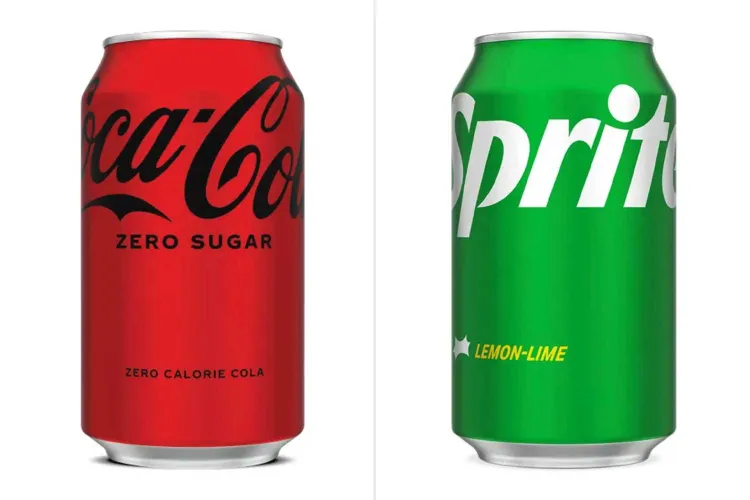
In a shocking safety alert reverberating across Texas, The Coca-Cola Company has initiated a significant recall of over 70,000 cans of its most popular soft drinks, including Coke Zero Sugar and Sprite. The dramatic reason? The potential presence of dangerous metal fragments inside the containers, raising serious concerns for consumer health and forcing the beverage giant to act fast.
The Food and Drug Administration (FDA) has classified this massive operation as a Class II recall, a clear indication that while the risk of severe, permanent harm is considered low, consuming these products may still cause temporary or medically reversible adverse health consequences. This is not just a minor hiccup; it’s a terrifying lapse in quality control involving a brand Americans trust every day.
The sheer volume of this Texas soda recall—tens of thousands of cans—highlights the potential reach of this manufacturing blunder. Ingesting any foreign object, especially metal shards, carries the very real risk of internal cuts, choking, or serious digestive tract trauma. While no injuries have been publicly reported yet, the discovery alone is enough to shake consumer confidence to its core.
The recall, voluntarily initiated by the local bottler, Coca-Cola Southwest Beverages, LLC, focuses exclusively on certain 12-packs and 35-packs distributed within the Texas region. Shoppers who recently bought bulk soda are urged to immediately inspect their purchases for the following affected UPC and lot codes:
If you live in or purchased these products in Texas, do not open or drink the cans. Contact the place of purchase immediately for guidance, a refund, or a return.
This latest incident in Texas is particularly troubling because it follows a string of similar quality-control breaches globally. Just this past March, over 10,000 cans of Coca-Cola Original Taste were recalled in Illinois and Wisconsin due to plastic contamination. Furthermore, a 2024 episode in Austria saw the recall of a staggering 28 million bottles of Coca-Cola products over the possible presence of metal.
The repeated nature of these contamination episodes, from plastic to metal, suggests a deeper issue than just isolated errors at a single bottling plant.
“When a global company experiences repeat contamination incidents, it moves the conversation from 'accident' to 'systemic quality-control issues,'” states food safety litigator William Marler. “Consumers pay for a product that is safe, and any breach of that fundamental trust, especially one involving a physical hazard like metal, should trigger a complete overhaul of manufacturing oversight.”
This critical assessment from an authority on beverage safety and liability underscores the immense pressure now facing the brand to explain precisely how these foreign objects entered the tightly controlled bottling process.
When a brand as ubiquitous as Coca-Cola issues a recall for something as alarming as metal fragments in its drinks, consumers might naturally wonder: what are my actual legal rights if I'm injured, and how difficult would it be to hold a giant corporation accountable? This isn't just about proving you drank a bad soda; it's about understanding a powerful legal principle designed specifically to protect you: strict product liability, particularly for a manufacturing defect.
In Texas, and many other states, product liability law works differently from typical personal injury cases. You don't necessarily have to prove that Coca-Cola was careless or negligent in its manufacturing process. Instead, you primarily need to demonstrate that the product you consumed was defective when it left their control, and that defect caused your injury.
This is the essence of "strict liability"—if a product is unreasonably dangerous due to a manufacturing flaw, the manufacturer is held responsible, regardless of how much care they tried to take.
For consumers, this is a significant legal advantage; it shifts the focus from the company's intent or oversight to the physical condition of the product itself. The "so what?" for you is profound: proving a manufacturing defect can be a much clearer path to justice than trying to unearth evidence of corporate negligence.
This principle is rooted in a long history of consumer protection laws designed to ensure that products reaching the market are safe for their intended use.
For a metal fragment recall, the legal theory typically falls under a "manufacturing defect." This means that while the overall design of Coke Zero Sugar or Sprite is safe, your specific cans deviated from that intended design during production, resulting in the dangerous metal fragments. The consequences for Coca-Cola, if injuries are proven, are substantial. Strict liability means they are legally responsible for damages, which can include medical bills, lost wages, and pain and suffering, even if they acted swiftly with a recall.
So, beyond seeking immediate medical attention, what specific actions should a consumer take if they believe they've been injured by a metal fragment from a recalled Coca-Cola product?
While a recall is a responsible step by a company, it does not absolve them of liability for products that were already defective and caused harm. In fact, the very act of a recall strengthens the argument that a defect existed.
Statistics on product liability cases show that claims centered on manufacturing defects, particularly with clear physical evidence, often have a more straightforward path to resolution or litigation success compared to design defect claims, precisely because the defect's presence is undeniable. This legal clarity is your strongest asset if you find yourself impacted by this alarming recall.
As the October 2025 metal fragment recall unfolds, the key questions remain unanswered:
For millions of loyal customers, the simple act of opening a refreshing can of soda has been tainted by this alarming news. The Coca-Cola metal contamination crisis serves as a stark reminder that even the world’s most iconic brands must remain hyper-vigilant about the safety of every single product that leaves their factory. Consumers in Texas and beyond must remain alert, check their codes, and prioritize their safety above all else.