Understand Your Rights. Solve Your Legal Problems


By George Daniel | October 20, 2025
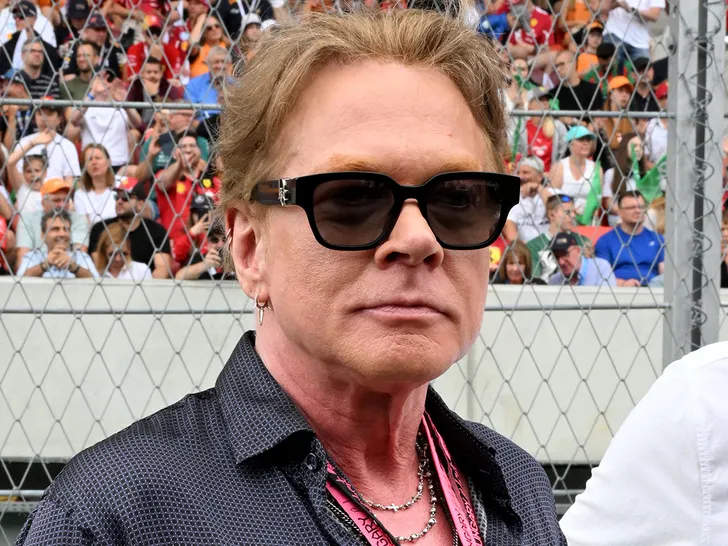
Guns N’ Roses frontman Axl Rose has never been shy about his temper—but his latest, explosive outburst during a live show in Buenos Aires has reignited conversation about the potentially massive legal risks and contractual consequences of losing control onstage.
Forget the rumors: This was less about a band beef and more about a costly technical flaw that highlights the high-stakes, multi-million-dollar legal agreements that govern every stadium rock show.

Axl Rose reacts to a sound issue during Guns N’ Roses’ Buenos Aires concert, an outburst that has since sparked debate about performer liability and tour contract clauses.
During Saturday night’s highly anticipated concert at Estadio Tomás Adolfo Ducó Stadium, Axl reportedly became furious after his in-ear monitor (IEM) malfunctioned, making it impossible to hear the rest of the band.
According to sources close to the tour, the technical nightmare caused Rose to kick the bass drum and violently hurl his microphone toward drummer Isaac Carpenter’s kit mid-performance of "Welcome to the Jungle."
While no one was hurt and the equipment damage may have been minor, Axl’s explosive frustration highlights a critical, often-overlooked side of rock touring: contractual liability and indemnity.
Modern tour agreements typically include several key clauses designed to protect the production company and promoters from a star's on-stage conduct:
“Artists are still employees or contractors under a legal framework,” explains entertainment attorney Mark Daniels of Los Angeles. “If a performer damages company property or endangers crew members, it could trigger liability under their contract—even if it’s just an outburst. In extreme cases, reckless behavior can be grounds for the contract to be breached.”
Major production companies carry multi-million-dollar Public Liability Insurance riders to cover the unexpected risks inherent in live events. However, these policies have legal limits:
Axl Rose has a history of headline-making stage incidents that spilled into legal territory. The infamous 1991 St. Louis riot, which saw Axl leap into the crowd, led to lawsuits against the band, the venue, and the promoter.
This pivotal event essentially set the precedent for how tour promoters structure those liability clauses today. Since then, most major acts—Guns N’ Roses included—tour with complex insurance and indemnity frameworks that account for everything from technical failures to artist misconduct.
Still, the Buenos Aires blow-up appears to have ended amicably. Sources say the band finished the show in full, and both Rose and Carpenter laughed off the incident afterward, avoiding a costly legal fallout this time.
For fans, it was another wild, memorable moment in the saga of one of rock’s most unpredictable icons. For lawyers and promoters, it’s a clear reminder: the business of live performance is as much about managing multi-million-dollar legal exposure as it is about rock 'n' roll.
Even rock legends aren’t immune to the fine print. Onstage outbursts that damage equipment or endanger crew can expose artists to significant financial liability under modern tour contracts, specifically via 'Conduct' and 'Indemnity' clauses. Whether insurance will cover the damage often depends on if the act is judged as accidental or intentionally reckless.