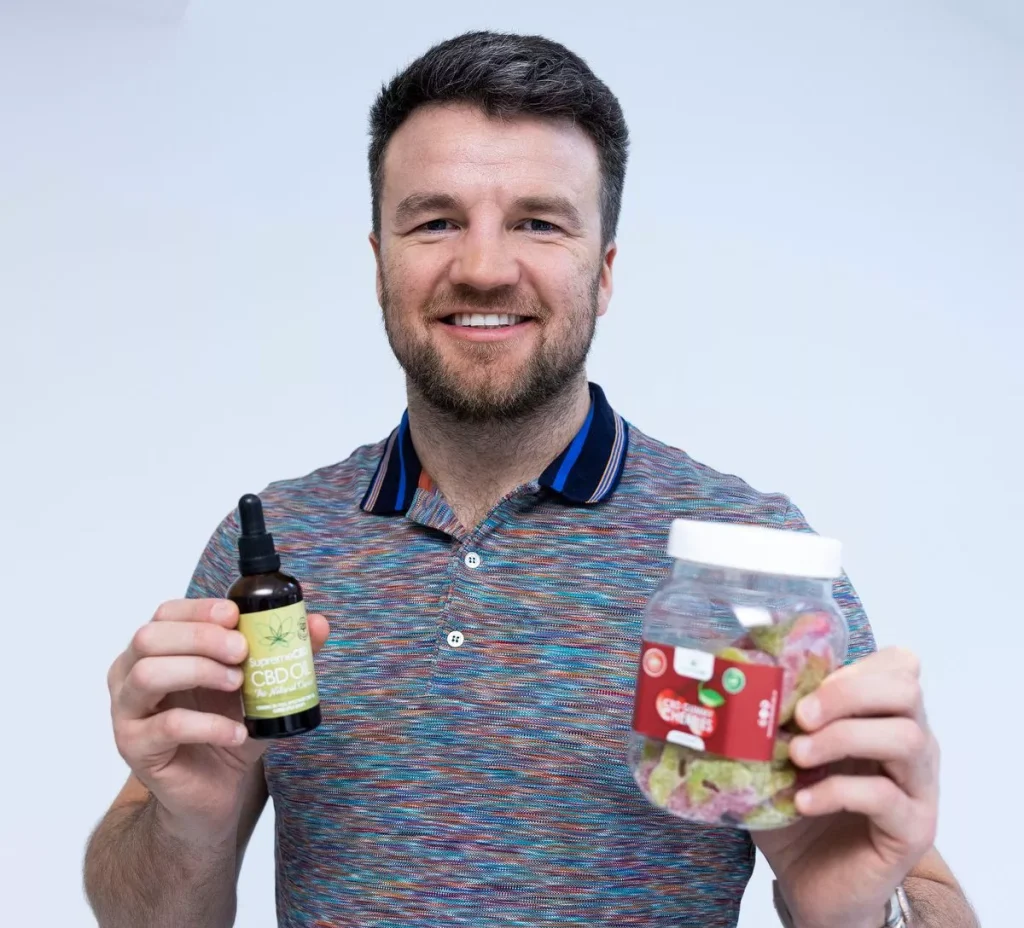
Anthony Fowler's Supreme CBD Banned Over Unproven Health Claims
The world of celebrity-backed wellness is facing a legal reckoning today, as regulators ramp up action against Olympian and professional boxer Anthony Fowler and his company, Supreme CBD.
While the brand sells itself on natural recovery, it's the dangerous and unproven "cancer cure" claims allegedly made by Fowler himself that have blown the controversy wide open, sparking public fury and bringing in powerful legal bodies like the Advertising Standards Authority (ASA) and Trading Standards.
This isn't just about a misleading advert; it's about vulnerable consumers, false hope, and the serious legal line between a health supplement and an unlicensed medicine. The fallout from these claims could lead to far more than just a slap on the wrist for the former Team GB athlete.
The Explosive Claims: What Did Anthony Fowler Say?
The controversy reached fever pitch after sensational reports emerged that Anthony Fowler, owner and director of Supreme CBD, had suggested the products were an effective treatment for a severe illness.
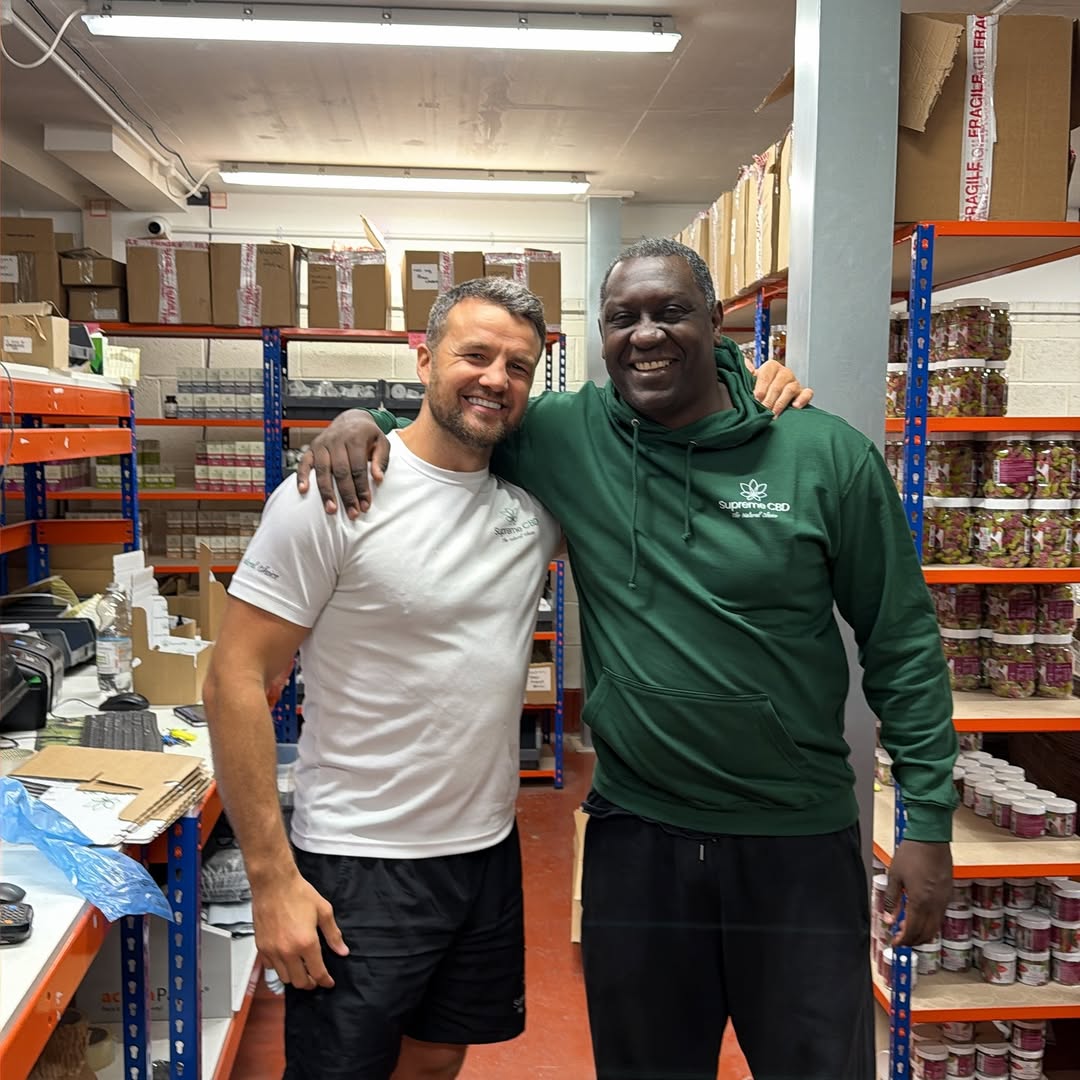
Anthony Fowler with Emile Heske pictured at the company’s warehouse, amid growing scrutiny over the brand’s advertising claims. (Photo: @supremecbd Instagram)
According to media reports, Fowler and associated influencers implied that Supreme CBD helped shrink or treat a tumour in his young daughter—a claim made without any supporting medical evidence.
This highly emotional and deeply personal claim has been widely condemned by leading cancer charities and medical professionals.
They warn that such assertions are not only misleading but potentially lethal, risking patients delaying life-saving, proven care in favour of an unproven supplement.
Macmillan Cancer Support's stance is unequivocal: "There is no reliable medical evidence showing that cannabis, in any form, can safely or effectively treat cancer in humans."
The Legal Knockout: ASA Rulings and Regulator Pressure
Even before the "cancer cure" claims, Anthony Fowler and Supreme CBD were firmly in the sights of the UK’s advertising watchdog.
The ASA has already upheld multiple rulings against the company and its ambassadors for making misleading health claims and failing to be transparent with consumers.
For instance, the watchdog took action over Medical Claims, such as the product being described as "magic" and able to "help you sleep so much better with less anxiety," finding them in breach of CAP Code 15.6.2, which strictly prohibits any claim that a food or supplement can prevent, treat, or cure human disease.
Furthermore, the company was also found in breach over Influencer Transparency for undisclosed social media posts by brand ambassadors like former footballers John Hartson and Matt Le Tissier, violating CAP Code 2.1 & 2.3 which mandates that commercial intent must be clearly disclosed (e.g., using #ad).
The latest ASA rulings confirmed that posts suggesting CBD could benefit anxiety or insomnia were illegal, as they implied a medical benefit not authorised in the UK.
The problem is that once you suggest your CBD product cures anything, you step out of the wellness category and into medication territory.
Crossing the Line: Why 'Curing Cancer' Is a Criminal Risk
Suggesting that an unlicensed product like Supreme CBD can cure cancer is not just an advertising blunder; it is a major legal violation of consumer protection and medicines law. This is where the legal stakes become terrifyingly high.
1. Breach of Medicines Regulations 🚨
Under the Human Medicines Regulations 2012, any product advertised or presented as having the ability to treat or prevent disease is legally defined as a "medicinal product."
- The Problem: The Medicines and Healthcare products Regulatory Agency (MHRA) must approve all medicines before they can be sold, supplied, or advertised. No CBD oil currently on the UK market holds this medical authorisation.
- The Danger: By promoting it as a tumour treatment, Anthony Fowler potentially exposes Supreme CBD to MHRA enforcement for selling an unlicensed medicine.
2. Consumer Protection Violation
Local authority Trading Standards, which enforces criminal law, could launch an investigation under the Consumer Protection from Unfair Trading Regulations 2008.
- The Problem: These regulations outlaw "misleading actions" and "false claims" that trick consumers into a purchase they wouldn't otherwise make. Falsely claiming a product can cure illness is specifically listed as an unfair commercial practice.
- The Danger: For vulnerable people desperate for a cure, a misleading medical claim can be devastating. Trading Standards can refer persistent breaches for prosecution, which can result in hefty fines or even criminal penalties for the directors involved.
Related Legal Reading
Before diving further into the wellness-law grey zone, you may want to read our related feature:
Nikki Exotika Lucky to Be Alive: 90 Day Fiancé Hospitalized After Frightening Surgery Complication - The Legal Danger Zone Every Patient Needs to Know”
That piece explores how misleading or unsafe health practices, influencer promotions, and medical misrepresentation can all collide — much like what’s unfolding now with Supreme CBD.
A Warning to the Wellness Industry
The core of the issue facing Anthony Fowler and Supreme CBD is that the law draws a razor-sharp line:
- On one side: CBD as a general, non-specific wellness supplement.
- On the other side: CBD as a medication to cure or treat a specific disease—a side that requires millions of pounds of clinical testing and MHRA sign-off.
The evidence from the multiple ASA rulings and the public outcry over the cancer claims suggests this line has been spectacularly crossed.
As legal commentators have noted, this case signals a zero-tolerance environment for celebrity wellness brands that dabble in medical claims.
Anthony Fowler’s journey from Olympic boxer to CBD entrepreneur may be nearing a legal TKO if the regulators decide to escalate the penalty for giving consumers false, life-threatening hope.
The take-home message for consumers is vital: Always consult a doctor, never an influencer, for life-threatening conditions.
No matter how compelling the story, no over-the-counter CBD product is a cancer cure.
People Also Ask (FAQ)
What exactly did Anthony Fowler claim about Supreme CBD and cancer?
Anthony Fowler reportedly implied on social media that Supreme CBD products helped shrink or treat a tumour in his daughter — a claim that has not been medically or scientifically substantiated. These statements have been widely condemned by cancer charities and regulators as misleading and potentially harmful.
Is it illegal to say CBD cures cancer in the UK?
Yes. Under the Human Medicines Regulations 2012, any product advertised as preventing, treating, or curing a disease is classed as a medicinal product and requires MHRA authorisation. Since no CBD products are licensed as medicines in the UK, making such claims is a breach of both medicines law and advertising regulations.
What did the Advertising Standards Authority (ASA) rule against Supreme CBD?
The ASA upheld multiple complaints against Supreme CBD for making misleading medical claims and failing to mark social-media promotions as advertisements. Fowler and his brand ambassadors were found in breach of CAP Code 15.6.2 (disease-treatment claims) and CAP Code 2.1 & 2.3 (transparency and disclosure).
What are the possible penalties for misleading CBD advertising?
Penalties can include ASA enforcement orders, Trading Standards investigations, and even criminal prosecution under the Consumer Protection from Unfair Trading Regulations 2008. Persistent offenders can face fines or imprisonment, and companies may be barred from future advertising.
How can consumers tell if a CBD product is legally marketed?
Consumers should check whether:
-
The product makes no medical or curative claims.
-
The marketing clearly identifies itself as an advertisement or sponsored post.
-
The product is listed with the Food Standards Agency’s Novel Food register.
Any CBD product promising to “cure” or “treat” an illness should be avoided and reported to regulators.
What lessons does this case teach other celebrity wellness brands?
It’s a cautionary tale. Celebrity entrepreneurs must ensure that personal anecdotes and marketing materials stay within legal boundaries. Claims must be evidence-based, authorised, and transparent or risk crossing into unlawful territory that endangers consumers and reputations alike.