Understand Your Rights. Solve Your Legal Problems


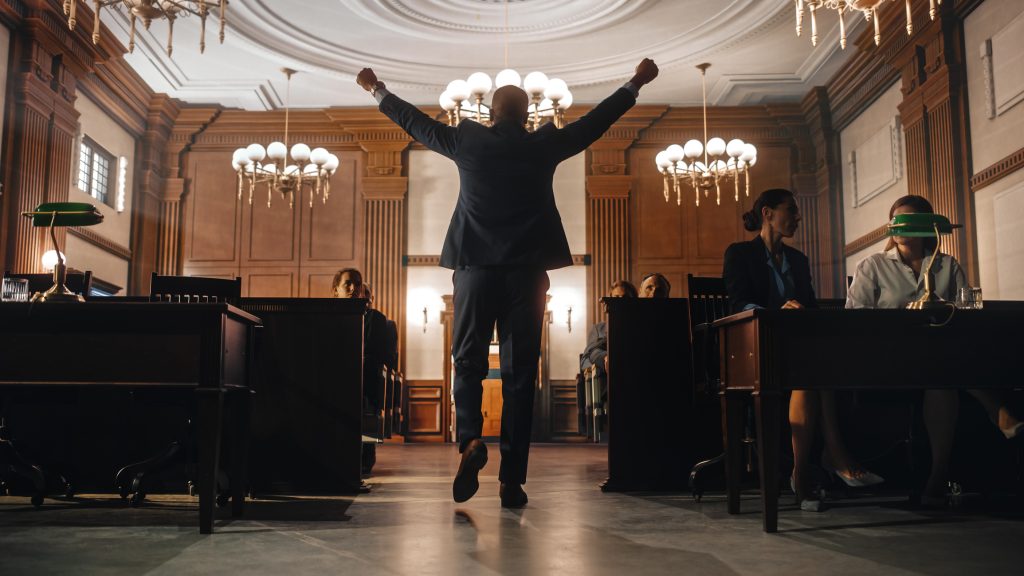
Most people think big verdicts are won in court. But they’re actually won much earlier. Trial lawyers know this. The smart ones plan for trial from day one. They don’t wait for a settlement. They build to win.
The Buzbee Law Firm is known for this approach. They don’t hope for a payout. They expect to go to trial. And they prepare like it’s the Super Bowl.
It all starts with selection. Not every big case turns into a big win. The team looks at evidence, risk, the client’s story, and—most of all—the pattern.
Tony Buzbee once said, “I’d rather take one strong case with a clear story than ten with good odds but weak details.”
The goal is to pick cases that can be explained clearly. Juries need to understand what went wrong and why it matters. No confusion. No clutter.
If the jury is going to be angry, there has to be a reason.
Facts matter. But stories win trials. Once the case is chosen, the next step is building a clear, emotional, and logical narrative. One that a 10th grader can follow.
This isn’t fluff. It’s strategy.
A partner at the firm shared, “If we can’t explain the case in two minutes to someone outside the legal world, we’re not ready.”
The team maps out the story like it’s a movie script. Key events. Turning points. Mistakes made. Warnings ignored. The victim’s life before and after.
They find the moment the company should have fixed the problem—and didn’t.
That moment becomes the anchor.
Before court, the firm runs mock trials. Real people. Real reactions. No filters.
They test opening statements. Show evidence. Watch body language. Ask questions after. It’s not just about “winning” the mock trial. It’s about spotting weak points early.
“We had a case once where the jury didn’t believe the timeline,” one associate said. “So we changed the way we presented it in trial. That move probably saved the case.”
Mock juries cost money. But they save more in the long run.
The client matters more than people think. If the jury doesn’t like the plaintiff, it’s hard to win. So preparation is key.
The team runs clients through questions, again and again. They talk about body language. Eye contact. Tone.
If there’s something in the client’s history that could hurt the case, they bring it up early. Nothing should be a surprise.
One attorney said, “We had a client who had a few old arrests. We got in front of it. Explained it. The jury respected the honesty.”
Charts. Timelines. Videos. Photos. Diagrams. These aren’t extras. They’re central tools.
Jurors don’t remember words. They remember images.
In the Loree case—the one where The Buzbee Law Firm secured a $640 million verdict—they used a job site diagram showing how far the crane had been pushed past its safe limit. That image stuck with the jury. One member said it was “the thing that convinced me they knew better and did it anyway.”
Visuals aren’t just graphics. They’re evidence with emotion.
Every defense lawyer has habits. Some talk too much. Some stall. Some always bring up the same types of expert witnesses.
The team studies them.
They read old court transcripts. Watch video footage. Track verdict histories.
“If we know how they think, we know how to beat them,” said a Buzbee paralegal. “It’s like football film study, but with lawyers.”
This helps them predict how the defense will frame the story—and prepare to flip it.
The closing argument is the final word. It can’t be a recap. It needs to hit the jury hard. Bring back every fact. Every emotion. Every missed warning sign.
The team practices the close like a keynote speech. Line by line. Word by word. Timing matters. Pacing matters.
Tony Buzbee once said, “A closing argument is where the case either dies or wins. You don’t walk in and wing it.”
In big trials, the courtroom setup matters. Where you stand. Where the jury looks. What screen shows what. The Buzbee Law Firm maps this out ahead of time.
They bring their own AV crew when needed. Backup tech. Redundant systems.
No errors. No excuses.
These stats show what The Buzbee Law Firm already puts into practice.
If you're preparing for high-stakes litigation, here’s what to do now:
Big trials aren’t won with luck. They’re won with systems. Discipline. Planning. And relentless testing.
Behind every giant verdict is a strategy most people never see.
That’s where the real work lives.