Understand Your Rights. Solve Your Legal Problems


Facing a DWI charge in New Jersey is unlike fighting similar cases in other states. From the roadside field sobriety tests to the reliability of the Alcotest breath machine and the unique bench trial process, every stage presents its own hurdles and opportunities for defense. An experienced New Jersey DWI Lawyer, Rachel Kugel, understands these challenges and knows how to turn technical errors, flawed procedures, and weak evidence into powerful arguments for dismissal or reduction of charges.
Before any breath test is given, police rely on Standardized Field Sobriety Tests (SFSTs) to justify an arrest. Because so much of a DWI case can rest on how a person performs during these brief roadside exercises, carefully questioning them is often the first line of defense.
SFSTs must be explained and demonstrated in a very specific way according to NHTSA standards. If an officer gives unclear directions, skips questions about medical issues, or strays from procedure, the results may be unreliable. Even something as small as failing to clarify how many steps to take or whether arms must remain at the side can cast doubt on the validity of the test. A defense attorney will closely review body cam footage and police reports to highlight these errors.
Health conditions like back injuries, ear problems, age, or weight can cause sober drivers to stumble. Roadside settings also make things harder. This can include poor lighting, bad weather, uneven ground, or distracting traffic, which can affect performance during the tests. A person might appear unsteady simply because they are nervous, tired, or trying to balance in unsuitable shoes. These issues show that SFST results do not necessarily point to intoxication, but instead to ordinary human limitations under stressful conditions.
One of the three tests, the Horizontal Gaze Nystagmus (HGN), is not admissible in New Jersey courts to prove intoxication. Its only role is to support probable cause. If an officer leans heavily on it, a defense attorney can point out its limited value and weaken the prosecution’s case. Drawing attention to the fact that the test cannot be used as courtroom evidence allows an attorney to undercut the officer’s report and show that the case relies on shaky foundations.
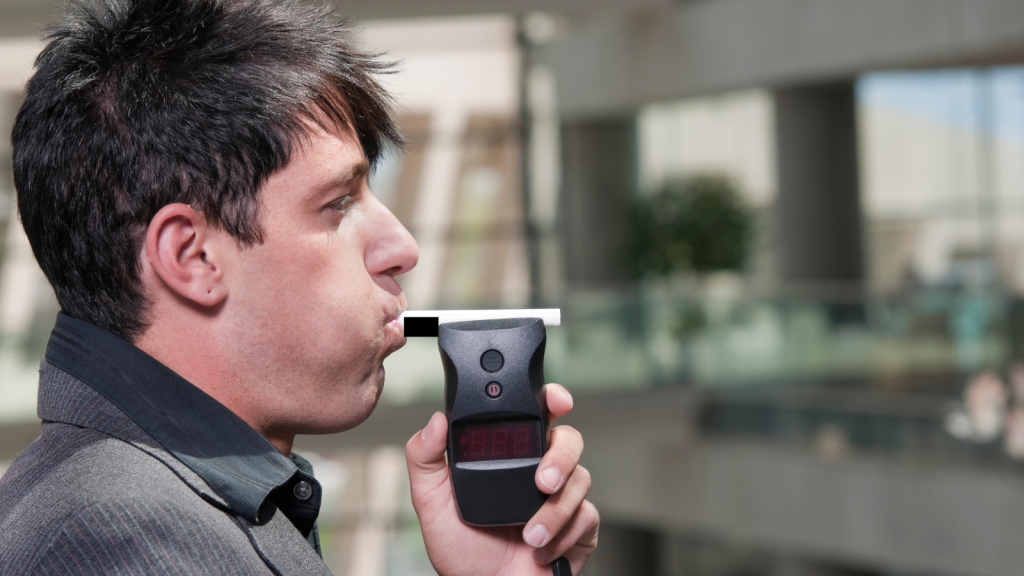
In New Jersey, most DWI cases revolve around the Alcotest breath testing device. A reading of 0.08% BAC or higher creates a per se violation, meaning the state doesn’t need to prove actual impairment; the number alone can justify a conviction. While this makes the Alcotest seem unbeatable, its results are only admissible if strict protocols are followed. Common vulnerabilities include:
A machine’s printout may look decisive, but it is far from perfect. With careful scrutiny of procedure, maintenance, and science, a defense attorney can show that the number is not always worthy of belief.
In New Jersey DWI cases, there is no jury. Every case is tried in municipal court before a single judge in a bench trial. That shifts the defense from broad persuasion to precise, rule-driven advocacy. What matters most is the law, the evidence, and procedure, with the goal of showing reasonable doubt through a technical, evidence-based approach.
Many cases are decided at the motion stage. An experienced attorney moves to suppress evidence from an illegal stop or detention, and to exclude statements or SFST results that followed. Separate motions can target Alcotest readings for protocol failures, chain-of-custody gaps, or record defects. If key items are suppressed, the prosecution’s case can collapse before testimony begins.
Judges expect clear science. Defense experts, often former troopers or forensic scientists, scrutinize body-cam footage, field-test scoring, maintenance logs, and breath-test data. They can explain how SFSTs were misadministered, why medical or environmental factors matter, and where Alcotest procedures fell short. This technical testimony gives the court a solid basis to doubt the reliability of the State’s evidence.
Without a jury, cross-examination is focused and methodical. Counsel uses reports, videos, and training manuals to expose inconsistencies, procedural deviations, and subjective judgments in the officer’s account. Each concession is tied back to legal standards and burden of proof, showing that the evidence does not meet the threshold required for conviction.
Being charged with a DWI in New Jersey can be an intimidating experience, but the case against you is rarely as strong as it first appears. From challenging the roadside field sobriety tests to questioning the reliability of the Alcotest machine and following through the unique bench trial process, there are many ways to fight back. The key is having the right advocate on your side. A knowledgeable New Jersey DWI lawyer can analyze every detail, expose weaknesses in the prosecution’s case, and build a defense designed to protect your license, your record, and your future.