Understand Your Rights. Solve Your Legal Problems


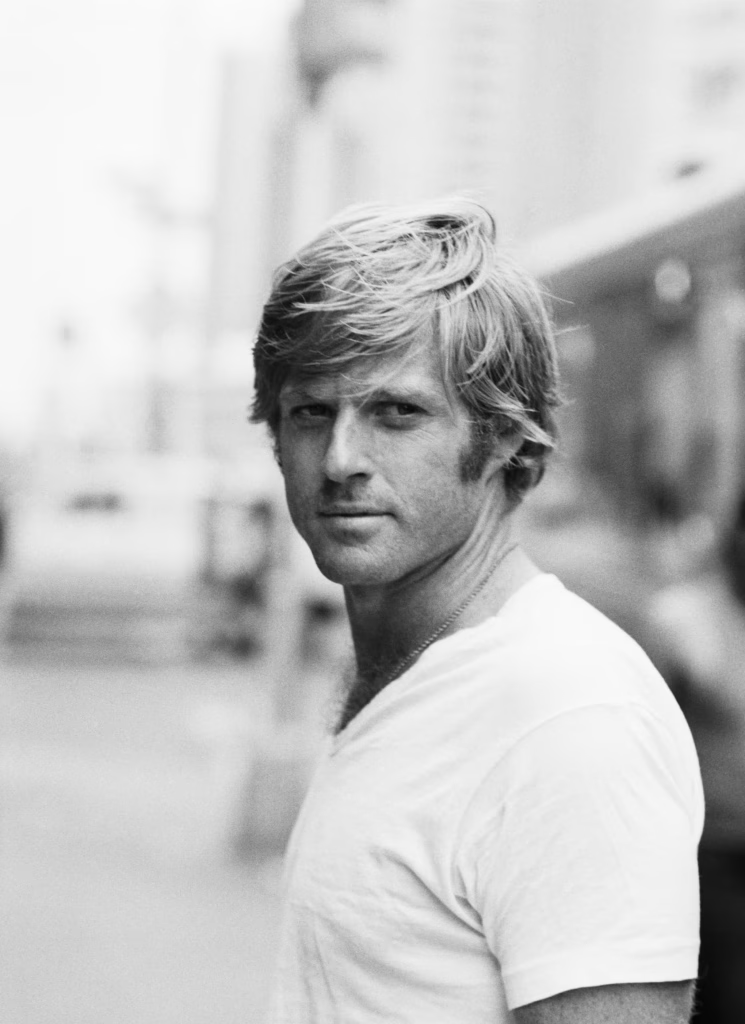
Robert Redford’s story was one of beauty, courage, and quiet conviction. To audiences, he was the golden face of a generation—his smile lighting up some of cinema’s most beloved classics.
To filmmakers, he was a mentor who opened doors through Sundance. And to those closest to him, he was simply a man of integrity, shaped by love, loss, and a deep respect for the natural world.
From the beaches of Santa Monica to the mountains of Utah, from his Slovak and Irish family roots to the heights of Hollywood, Redford carried with him a rare mix of star power and sincerity.
His passing at the age of 89 is not just the end of a career, but the closing of a life that touched millions and changed the way stories are told.
Charles Robert Redford Jr. was born in Santa Monica, California, on August 18, 1936. His father was a milkman of Irish descent, his mother the daughter of Slovak immigrants from the Carpathian village of Lomnička. The quiet determination of those roots lived in him, even if he rarely spoke of it publicly.
As a boy, Redford was restless, drawn to art and sport, never entirely comfortable within the lines.
He studied briefly at the University of Colorado before drifting to Europe, sketchbook in hand, searching for something bigger than himself. What he found was a calling for storytelling—first on the stage, then on screen.
Redford’s rise came fast. On Broadway, he charmed audiences in Barefoot in the Park. In Hollywood, he exploded into stardom with Butch Cassidy and the Sundance Kid (1969), a film that captured not just his easy charisma but the restless energy of an America on the edge of change.
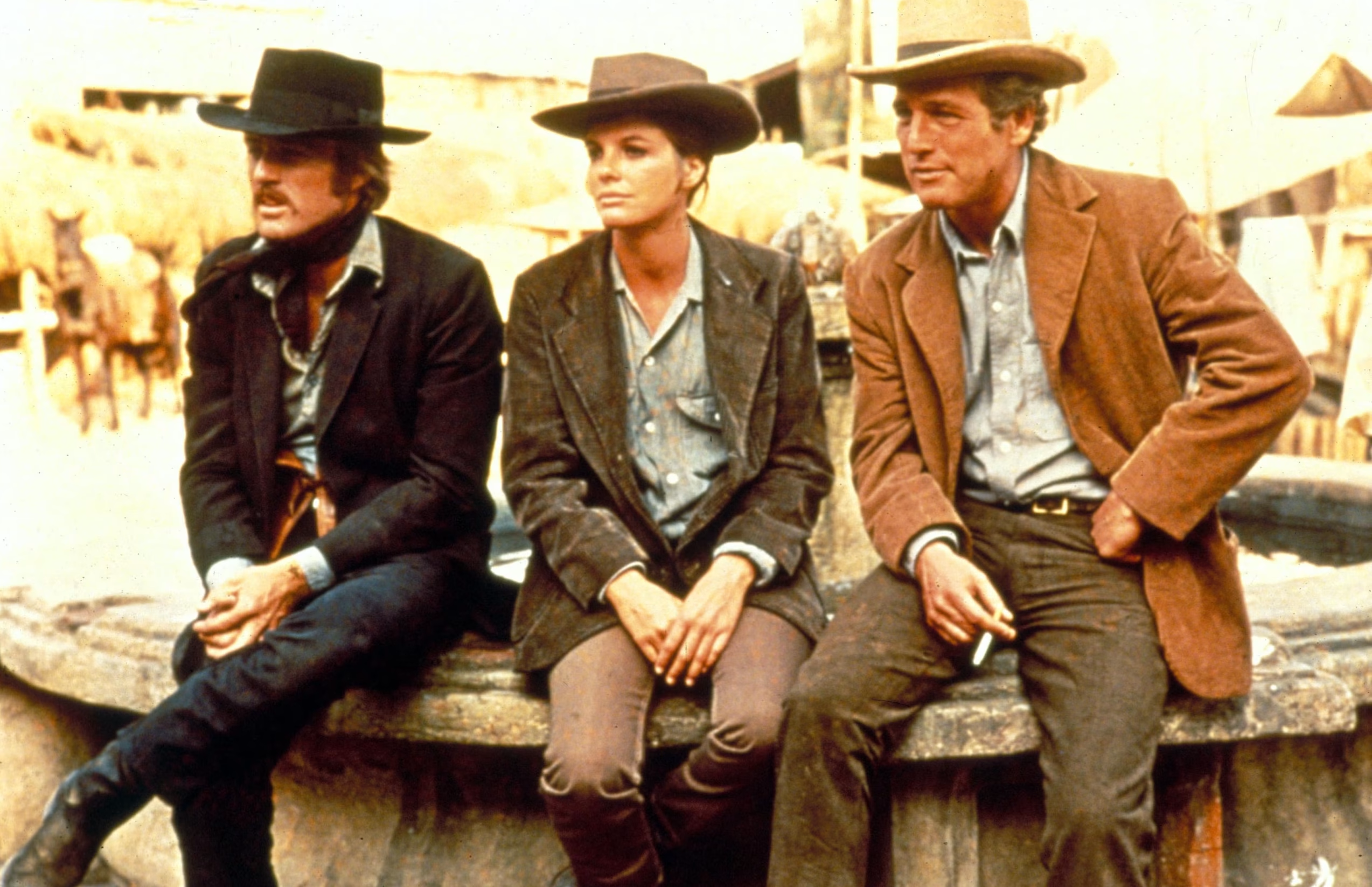
Young Robert Redford in Butch Cassidy and the Sundance Kid (1969)
The 1970s made him one of the most bankable stars alive. In The Sting, he was a grifter with a grin; in The Way We Were, a romantic idealist torn by politics and passion; in All the President’s Men, a journalist chasing truth in an era of lies. He wasn’t just handsome—he was thoughtful, willing to take on roles that mirrored the complexities of his country.
By the time he turned to directing, Redford had little left to prove as an actor. Yet his first film, Ordinary People (1980), stunned Hollywood. The quiet story of grief and alienation earned him the Academy Award for Best Director and Best Picture.
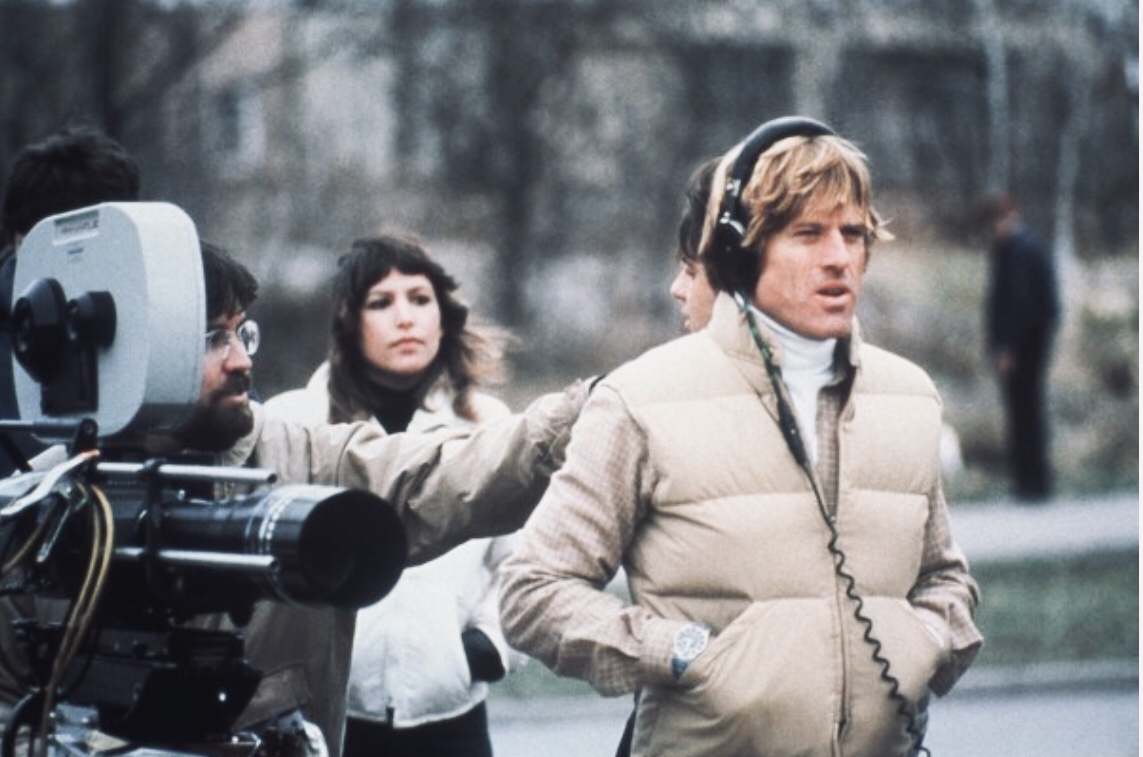
Redford directed Ordinary People (1980)
He would return again and again to themes of family, memory, and identity in films like A River Runs Through It, Quiz Show, and The Horse Whisperer. His direction was never flashy. Instead, it carried a patience and intimacy that allowed characters to breathe. He knew when to let silence say everything.
If acting made him famous and directing gave him respect, it was Sundance that secured his place in history. In the 1970s, Redford purchased a ski area in Utah and gave it a new name—Sundance.
Out of that came the Sundance Institute and eventually the Sundance Film Festival, which would transform into the beating heart of independent cinema.
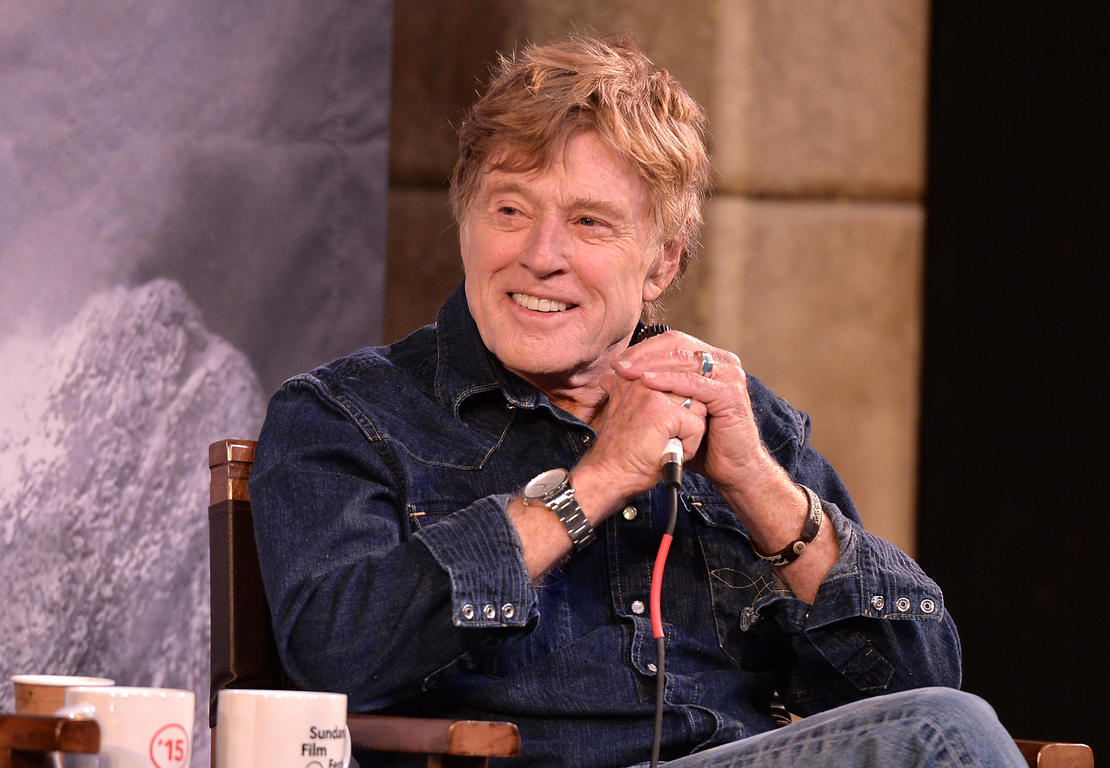
Robert Redford at the Sundance Film Festival
Under Redford’s guidance, Sundance became the launchpad for voices who would redefine filmmaking—Quentin Tarantino, Steven Soderbergh, Ava DuVernay, and so many more. He saw Sundance not as an industry event, but as a refuge: a place where artists could take risks, break rules, and be heard.
Redford’s love of landscape was not just aesthetic—it was spiritual. He was a founding trustee of the Natural Resources Defense Council and spent decades defending public lands, speaking about climate change long before it was fashionable.
In 2005, he co-founded the Redford Center, which uses film to tell stories of environmental justice.
For him, the fight for the planet was never separate from the fight for art. Both were about survival. Both were about leaving something behind that mattered.
Away from the screen, Redford’s life was marked by both joy and sorrow. He married historian Lola Van Wagenen in 1958, and together they had four children.
Tragedy struck early with the death of their infant son, and later their son Scott, losses that left deep scars. In 2009, he married German painter Sibylle Szaggars, who shared his devotion to art and the environment.
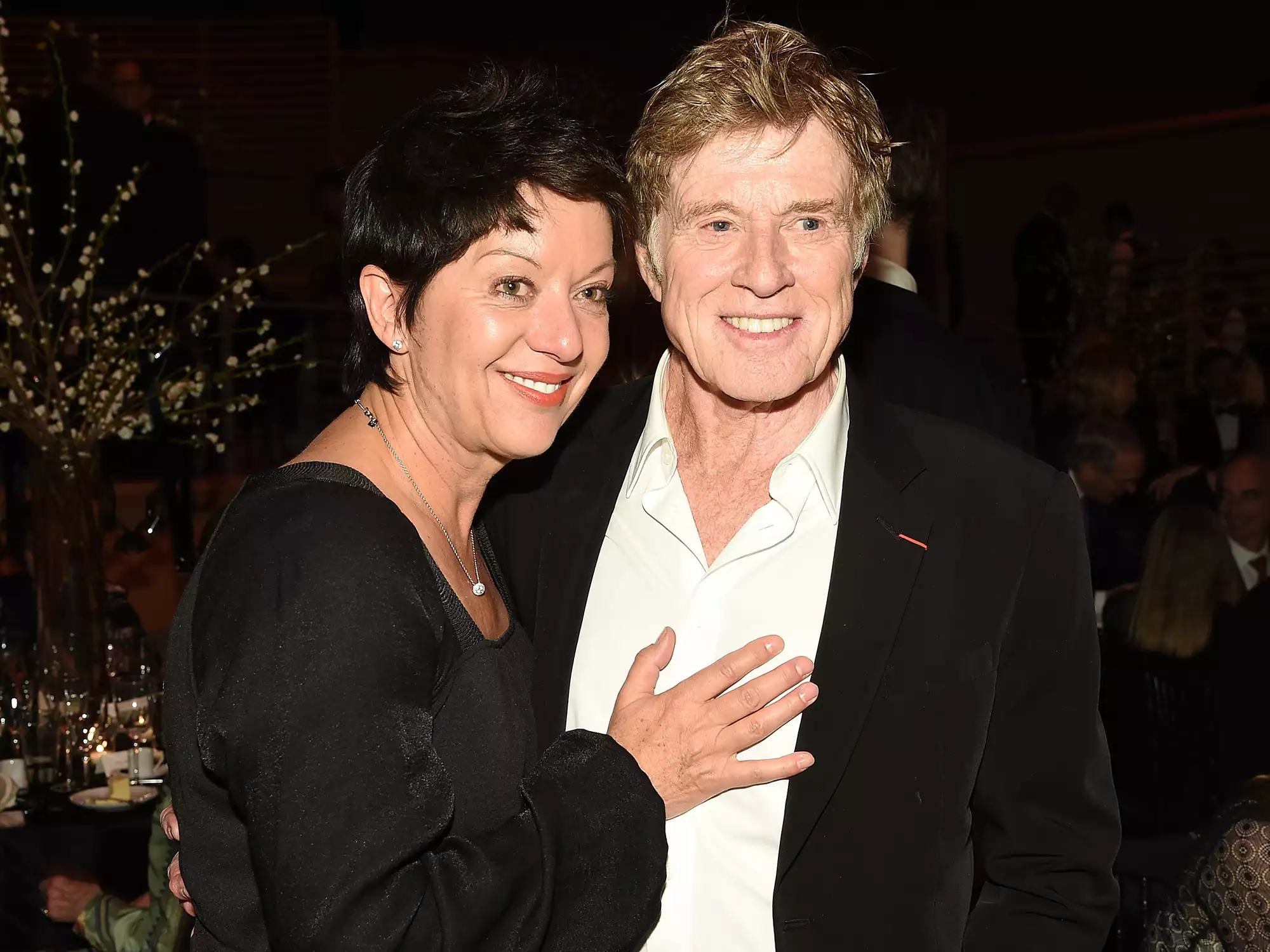
Robert Redford and his wife Sibylle Szaggars
Despite his fame, he craved privacy. He was not drawn to the spectacle of Hollywood parties or red carpets, preferring the quiet of the Utah mountains, where he painted, skied, and worked in the company of his family.
Redford stepped away from acting after The Old Man & the Gun (2018), a fitting farewell that showcased the charm and wit that had made him a star fifty years earlier.
Yet even in retirement, he remained a presence—appearing in documentaries, supporting Sundance, and lending his voice to causes he believed in.
He passed away on September 16, 2025, at his Sundance home, reportedly in his sleep. He was 89 years old. His family asked for privacy, but tributes poured in from around the world: actors, directors, activists, and even political leaders who saw in him a rare combination of artistry and integrity.
Robert Redford’s life cannot be measured by box office numbers or awards alone. He was the Sundance Kid and Jay Gatsby, the director of Ordinary People, the founder of a festival that gave countless others their start.
He was an activist who defended the environment long before the world listened, and a man who never lost sight of his roots—Irish and Slovak—nor the lessons of humility they carried.
His story is one of light and shadow, of glamour and grit, of a man who never let fame define him. In his films, his activism, and his festival, Robert Redford left behind more than a career. He left behind a vision of art as truth, of storytelling as survival, and of life as something to be lived with courage.
What was Robert Redford’s net worth at the time of his death?
Robert Redford’s net worth was estimated at around $200 million, earned through his acting career, directing, producing, and his Sundance ventures.
Did Robert Redford have Slovak roots?
Yes. Redford’s mother’s parents came from Lomnička, Slovakia, giving him Slovak heritage alongside his Irish background.
What films is Robert Redford best known for?
He starred in classics such as Butch Cassidy and the Sundance Kid (1969), The Sting (1973), All the President’s Men (1976), and Out of Africa (1985).
Why did Robert Redford create the Sundance Film Festival?
Redford founded Sundance to give independent filmmakers a platform to showcase bold, original stories outside the Hollywood system.
Was Robert Redford involved in activism?
Yes. He was a lifelong environmental activist, supporting climate action, public lands protection, and co-founding the Redford Center.