Public Transportation Accidents: Suing a Government Agency in California
When a daily commute turns into a catastrophe, and a public transportation vehicle is at the heart of the accident, the path to justice can be significantly more complex than a standard personal injury case.
In California, suing a government agency, whether it is a city bus authority, a light rail district, or a state-operated transit system, is a highly specialized legal endeavor governed by a strict set of rules.
Unlike the more common California Vehicle & Traffic Accident Claims, which typically involve private insurance companies, claims against public entities are regulated by the California Government Claims Act.
This law is a cornerstone of the state's legal system, providing a procedural roadmap that must be followed with absolute precision.
The Foundation of the Challenge: Sovereign Immunity
The unique hurdles in these cases stem from the legal doctrine of sovereign immunity.
Historically, this principle held that a government could not be sued without its consent. While that absolute immunity has been largely waived in modern law, the process for holding a public entity accountable is still deliberately restrictive.
The California Government Claims Act is the legislative compromise, allowing individuals to sue the government but only after fulfilling specific, often unforgiving, prerequisites.
For a victim, this means an accident involving public transportation, whether it's a bus hitting a car or a train derailment, is not just about proving fault.
It's about navigating a bureaucratic maze before a lawsuit can even be filed. This is a critical distinction from other types of claims, such as California Car Accident Laws: Fault, Insurance, and Compensation, where the primary focus is on establishing negligence and dealing with insurance adjusters from the outset.
The Most Critical Step: The Government Tort Claim
The single most important requirement in a public transportation accident case is the government tort claim.
This is a formal, written notice that must be submitted to the responsible public entity within a mere six months from the date of the injury.
This deadline is unyielding for claims involving personal injury, wrongful death, or property damage. If you fail to file this claim on time, you will almost certainly lose your right to sue, regardless of the merits of your case.
The claim form itself is not a simple document. It must contain specific information required by law, including:
- The full name and address of the claimant.
- The date, place, and circumstances of the accident.
- A detailed description of the injuries and damages incurred.
- The name of the public employee who caused the injury, if known.
- The amount of compensation being sought (often without a specific dollar amount if it exceeds $25,000, but requiring a description of the damages).
For a detailed overview and to file a claim against a state agency, you can visit the official website of the California Government Claims Program.
Filing an accurate and complete claim is paramount. A mistake or omission can lead to the claim being rejected as "insufficient," forcing a claimant to re-submit or risk forfeiture. This is why legal counsel is so vital. An attorney can ensure that this foundational step is handled correctly, preserving all rights to pursue compensation.
The Role of a Thorough Investigation 🧐
Once the tort claim is filed, the public entity has 45 days to respond. During this time, a comprehensive investigation is critical.
Unlike a straightforward Motorcycle Accidents in California: Legal Rights of Riders case where evidence might be limited to police reports and vehicle damage, a public transportation accident requires a multi-faceted approach to evidence gathering.
- Accident Reports: Obtaining the official accident report from the law enforcement agency is the first step.
- Medical Records: The victim's medical records are paramount. They must meticulously document the link between the accident and the injuries sustained.
- Witness Testimony: Eyewitnesses can provide invaluable context. This includes not just fellow passengers but also anyone on the street who may have seen the accident unfold, such as a pedestrian who witnessed a negligent maneuver by a bus driver. A claim for a Pedestrian Accidents in California: What Victims Should Know is often tied to the testimony of third-party witnesses.
- Photos and Videos: Visual evidence, from smartphone photos of the scene to video from traffic cameras or the transit vehicle's own cameras, can be the deciding factor in proving liability.
- Expert Analysis: In complex cases, particularly those involving train or light rail accidents, expert testimony is often necessary. This can include accident reconstructionists, engineers, or medical experts who can explain how a transit vehicle's operation led to specific injuries.
Diving Deeper into Specific Scenarios and Liability
The circumstances of the accident will dictate the specifics of the claim.
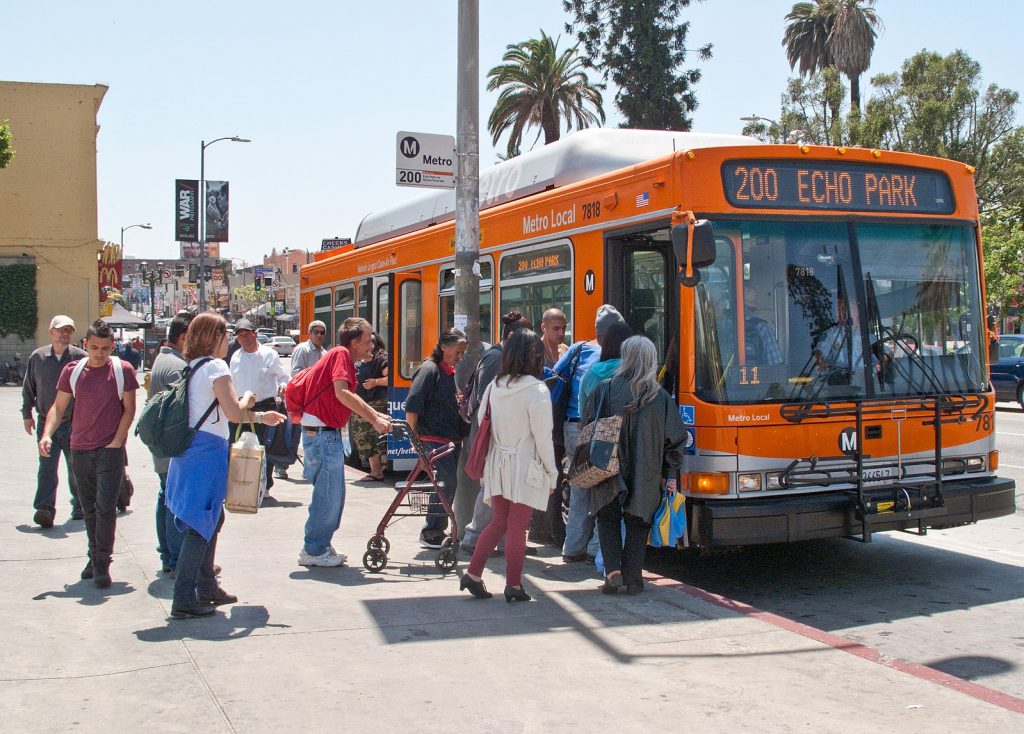
- Bus Accidents: These can be caused by operator error (e.g., a driver who is Distracted Driving Cases in California: The Role of Cell Phones), sudden stops, or improper turns. The sheer size and mass of a bus can lead to significant damage and severe injuries.
- Train and Light Rail Accidents: These can be catastrophic due to the high speeds and immense weight of the vehicles. Causes can range from operator negligence and defective signals to track maintenance issues. The legal liability can be especially complex, sometimes involving multiple government agencies.
- Station and Platform Injuries: Accidents don't always happen on the vehicle itself. A person could suffer a slip and fall on a wet platform, get injured by a malfunctioning escalator, or be hurt due to a lack of proper lighting or signage. In these cases, liability falls under premises liability, but still against a public entity, meaning the same tort claim rules apply.
Damage Caps and Compensation: What Can You Recover?
In many personal injury cases in California, there are no caps on the amount of damages a plaintiff can recover for pain and suffering.
However, when a government entity is involved, there are nuances. While the California Government Claims Act generally does not impose a cap on non-economic damages (pain and suffering), there are specific immunities and rules that may limit certain types of claims or the ability to sue individual employees.
This is a critical point that can influence the negotiation and settlement of a case.
Victims can seek compensation for both economic and non-economic damages:
- Economic Damages: These are quantifiable financial losses, including past and future medical expenses, lost wages, loss of earning capacity, and property damage.
- Non-Economic Damages: These are intangible losses, such as pain and suffering, emotional distress, and loss of enjoyment of life.
For official guidance on how to present a damage claim under California law, see the Caltrans Submit Damage Claim page.
The Post-Claim Process and The Path to Court
If the public entity rejects the tort claim, the victim has a new, strict deadline: six months from the date the rejection notice was mailed to file a lawsuit in court.
If the agency fails to respond to the claim within 45 days, it is legally considered rejected, and the claimant has two years from the date of the incident to file a lawsuit.
This lawsuit initiates the litigation process, which includes:
- Discovery: Both sides exchange information through depositions (taking sworn testimony), interrogatories (written questions), and requests for documents.
- Mediation/Negotiation: Many cases against government agencies are resolved through settlement negotiations or mediation to avoid the costs and risks of a trial.
- Trial: If a settlement cannot be reached, the case proceeds to trial where a judge or jury will determine liability and damages.
The Added Layer of Other Parties
Public transportation accidents can sometimes involve other, non-government parties, which can complicate the legal strategy.
Rideshare Services: If a public bus collides with an Uber or Lyft, understanding rideshare liability in California is crucial. The California Department of Insurance outlines the insurance requirements that rideshare companies must carry (including $1 million in liability coverage while a trip is in progress). This means a victim might have claims against both the public transit agency and the rideshare driver or company.
Drunk or Distracted Drivers: If a publicly owned vehicle is struck by a driver who is intoxicated, you may pursue a drunk driving accident claim in addition to a government-entity claim. Similarly, if the at-fault driver was using a cell phone, that raises issues common to distracted driving cases, which can complicate fault and recovery.
Hit-and-Run: In hit-and-run scenarios involving a public transit vehicle, determining the identity of the fleeing driver is critical. If the transit driver was negligent, the injured party can still pursue the claim against the public agency. If the public vehicle was struck by the hit-and-run, liability may rest solely on the public entity if its driver was negligent.
Bicycle and Truck Accidents: Because of the size disparity, collisions between public transit and bicycles or trucks can result in devastating injuries. In bicycle cases, the claim often hinges on whether the transit operator gave adequate clearance or took notice of the cyclist. In truck collisions, multiple liability issues typically arise between the truck’s operator, the transit driver, and possibly the trucking company or other parties.
The Indispensable Role of an Attorney
Suing a government agency in California is a formidable undertaking. The strict deadlines, complex procedural rules, and the government's legal immunities make it difficult to navigate alone. An experienced personal injury attorney is not just an asset but a necessity.
They can:
- Ensure the government tort claim is filed correctly and on time.
- Thoroughly investigate the accident and gather crucial evidence.
- Handle all communication and negotiation with the government agency.
- Represent you in court if a fair settlement cannot be reached.
If you or a loved one have been injured in a public transportation accident, acting quickly is the most important thing you can do to protect your rights. Do not delay, as the clock for filing your claim starts ticking immediately.
People Also Ask (PAA)
How do I sue a government agency after a bus accident in California?
You must first file a government tort claim within six months of the accident. Only after this step can you file a lawsuit in court.
What is the deadline to file a claim against a public transit agency?
California law requires most injury or wrongful death claims against government agencies to be filed within six months of the incident.
Can I get compensation for pain and suffering in a public transportation accident case?
Yes. Victims may recover both economic damages (medical bills, lost wages) and non-economic damages (pain, suffering, emotional distress).
What happens if the transit agency rejects my claim?
If your claim is denied, you generally have six months from the date of rejection to file a lawsuit in California court.
Do I need a lawyer for a public transportation accident case?
Yes. These cases are complex, with strict deadlines and unique government immunity laws. An attorney can protect your rights and maximize compensation.