Negligent Security Lawsuits in California: A Comprehensive Guide to Property Owner Responsibility
In California, the legal principle of premises liability is a cornerstone of civil law, holding property owners accountable for maintaining a safe environment for visitors, tenants, and patrons.
A critical and often complex subset of this legal framework is negligent security. This area of law addresses situations where an injury or harm occurs on a property not due to a physical defect like a wet floor, but rather because of inadequate security measures that failed to prevent foreseeable criminal activity.
A negligent security lawsuit is a powerful legal tool that allows victims to seek compensation when a property owner's inaction or negligence directly leads to their injury.
The success of such a claim hinges on proving a key legal concept: "foreseeability."
This means demonstrating that the property owner knew or should have known about a heightened risk of crime on or near their property, and yet failed to implement reasonable security measures to mitigate that risk.
The Foundation: Premises Liability Under California Law
The duty of a property owner to provide a safe environment is codified in California Civil Jury Instructions (CACI) and case law.
Premises liability under California law establishes that property owners must use "reasonable care" to keep their property in a reasonably safe condition and to warn of any dangers.
This duty varies depending on the status of the visitor (e.g., invitee, licensee, or in some cases, even a trespasser) and the nature of the property.
For a negligent security claim, this duty extends to protecting people from the criminal acts of third parties when those acts are foreseeable.
For a plaintiff to succeed, they must prove four essential elements:
- The defendant owned, leased, occupied, or controlled the property.
- The defendant was negligent in the use or maintenance of the property.
- The plaintiff was harmed.
- The defendant's negligence was a substantial factor in causing the harm.
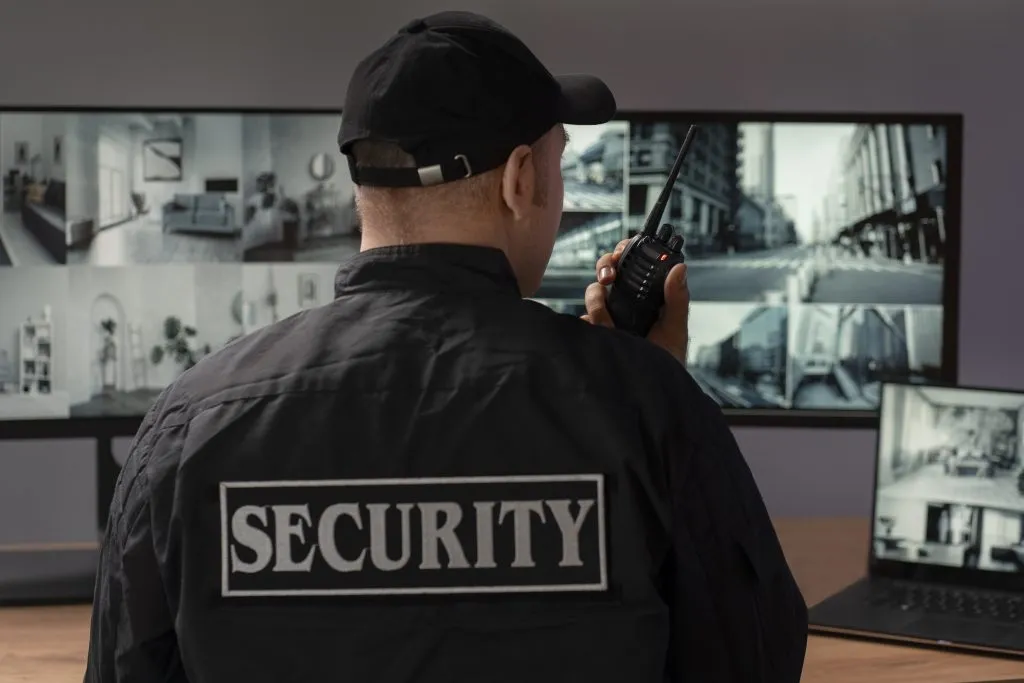
The "negligence" element in a negligent security claim is the failure to provide adequate security measures, such as proper lighting, functional security cameras, working locks, or a sufficient number of security guards.
A critical source for these legal standards is the California Civil Jury Instructions (CACI).
These instructions, drafted by the Judicial Council of California, provide the exact language used by judges to inform juries about the law, including the specific duties of property owners under premises liability.
Connecting Negligent Security to Common Injury Claims
The principles of negligent security can apply to a wide range of personal injury scenarios, extending beyond what might be considered a typical "security" issue.
1. Slip and Fall Accidents in California: Legal Rights of Victims
While slip and fall accidents in California: legal rights of victims typically focus on physical hazards, they can intertwine with negligent security. Consider a poorly lit parking garage or stairwell where a victim slips on a hazard that was not visible due to the lack of lighting.
If the area is known for criminal activity and the dim lighting created an environment conducive to an assault, a negligent security claim could be made in addition to the traditional slip and fall case.
The property owner's failure to maintain lighting would be seen as both a physical hazard and a security lapse that contributed to the overall harm.
2. Dog Bite Laws in California: Strict Liability for Owners
California's dog bite laws in California: strict liability for owners hold dog owners liable for their dog's bites, but property owners may also be at fault.
If a landlord, for instance, is aware that a tenant's dog is aggressive and poses a threat, yet fails to enforce a "no-pets" policy or require the dog to be properly secured in common areas, they could be held liable for a subsequent attack.
The property owner’s negligence in failing to enforce reasonable security measures (in this case, pet policies) would be the basis for the claim.
3. Swimming Pool Accidents in California: Property Owner Duties
Swimming pool accidents in California: property owner duties are extensive and well-defined. They must ensure proper fencing, self-latching gates, and adequate supervision.
In a negligent security context, if a property owner fails to secure a pool area, making it accessible to intruders, and a visitor is subsequently harmed by a third party, the property owner could be held liable.
The lack of a secure pool area not only creates a drowning hazard but also a security risk.
4. Construction Site Injuries in California: When Property Owners Are Liable
Construction sites are inherently dangerous, but construction site injuries in California: when property owners are liable can also stem from security lapses.
An unfenced or unsecured construction site can attract trespassers, and if a person is injured by a third party who gained access due to the lack of security, the property owner may be liable.
This duty is especially heightened if the site is near a residential area or has a history of unauthorized entry.
5. Elevator and Escalator Accidents in California
While often linked to mechanical failure, elevator and escalator accidents in California can have a security component.
If a malfunctioning elevator or an out-of-service escalator creates a secluded area where criminal activity is foreseeable and an assault occurs, the property owner's failure to repair the equipment or provide alternate security measures could lead to a negligent security claim.
The dangerous condition of the equipment is not just a hazard itself but also a catalyst for security risks.
6. Amusement Park Injuries: Liability in California Theme Parks
Amusement park injuries: liability in California theme parks often involve ride malfunctions, but these large, crowded venues have a significant duty to provide adequate security.
Poor crowd control, insufficient lighting in parking lots or secluded areas, or a lack of trained security personnel can all lead to assaults, fights, or other criminal acts.
If a visitor is harmed in such a scenario, the theme park could face a negligent security lawsuit for failing to protect its guests.
7. Retail Store Accident Claims in California
Retail store accident claims in California frequently involve hazards like spills and falling merchandise.
However, negligent security is a significant factor, particularly in retail settings in high-crime areas. Stores are expected to take reasonable steps to protect customers from theft and assault.
This might include visible security guards, well-lit parking lots, and functioning surveillance cameras.
The failure to provide these measures could make the store liable for a robbery or assault on its premises.
8. Hotel and Airbnb Liability in California Personal Injury Cases
Hotel and Airbnb liability in California personal injury cases is a rapidly evolving area of law. A key aspect is the duty to provide guests with a reasonably safe environment.
For hotels, this includes secure key card systems, proper lighting in hallways and parking garages, and a responsive security team.
For Airbnb hosts, the duty may be different but still exists, encompassing measures like secure locks and smoke detectors.
A guest who is assaulted in a hotel hallway or a vacation rental due to a faulty lock or lack of proper security could have a strong negligent security claim.
9. Landlord Liability for Tenant Injuries in California
Landlord liability for tenant injuries in California is a critical part of premises liability. Landlords have a duty to protect their tenants from foreseeable harm, which includes criminal acts by third parties.
This is especially true for apartment complexes.
A landlord who ignores a history of break-ins, fails to fix a broken security gate, or refuses to install proper lighting in a common area could be held liable for a tenant's injury resulting from a criminal act.
Proving a Negligent Security Claim and Recovering Damages
To successfully pursue a negligent security claim, a plaintiff must gather compelling evidence.
A crucial component of this is demonstrating foreseeability, often through an examination of crime statistics.
The California Department of Justice (DOJ) provides a wealth of public data on criminal activity, which can be used to establish that a property owner should have been aware of a heightened risk of crime in their area.
This can include:
- Evidence of Prior Incidents: Police reports of previous crimes on or near the property are crucial to establishing foreseeability.
- Property Records: Maintenance logs, security camera footage, and repair requests can show that a property owner was aware of a dangerous condition but failed to act.
- Expert Testimony: A security expert can testify on what "reasonable" security measures would have been in place given the circumstances, and how their absence was a direct cause of the harm.
If successful, a plaintiff in a negligent security lawsuit may recover both economic and non-economic damages. Economic damages cover tangible financial losses, such as medical bills, lost wages, and the cost of future care.
Non-economic damages compensate for subjective losses, including pain and suffering, emotional distress, and loss of enjoyment of life.
In some egregious cases where the property owner's conduct was particularly reckless or malicious, a court may also award punitive damages to punish the defendant and deter similar behavior in the future.
The statute of limitations for premises liability cases in California is generally two years from the date of the injury, as outlined in the California Code of Civil Procedure.
It is crucial for victims to seek legal counsel promptly to ensure all evidence is preserved and all deadlines are met.
In conclusion, negligent security lawsuits in California serve as a powerful reminder of the responsibility property owners hold to protect those who enter their premises.
By understanding the intricate legal requirements and the various ways these claims can arise, victims can hold negligent parties accountable and seek the justice and compensation they deserve.
People Also Ask
What is negligent security in California?
Negligent security in California refers to a property owner’s failure to provide reasonable safety measures—such as lighting, locks, or security personnel—leading to foreseeable criminal acts that harm visitors.
How do you prove negligent security?
To prove negligent security, a victim must show that the property owner knew or should have known about prior crimes or risks, failed to provide adequate security, and that this negligence directly caused the harm.
What damages can you recover in a negligent security lawsuit?
Victims may recover economic damages (medical bills, lost wages), non-economic damages (pain and suffering, emotional distress), and in extreme cases, punitive damages.
Who can be held liable in a negligent security claim?
Liable parties may include landlords, hotels, Airbnb hosts, retail store owners, amusement parks, and other property owners or managers responsible for guest and tenant safety.
What is the statute of limitations for negligent security lawsuits in California?
In California, most negligent security lawsuits must be filed within two years of the injury under the California Code of Civil Procedure.