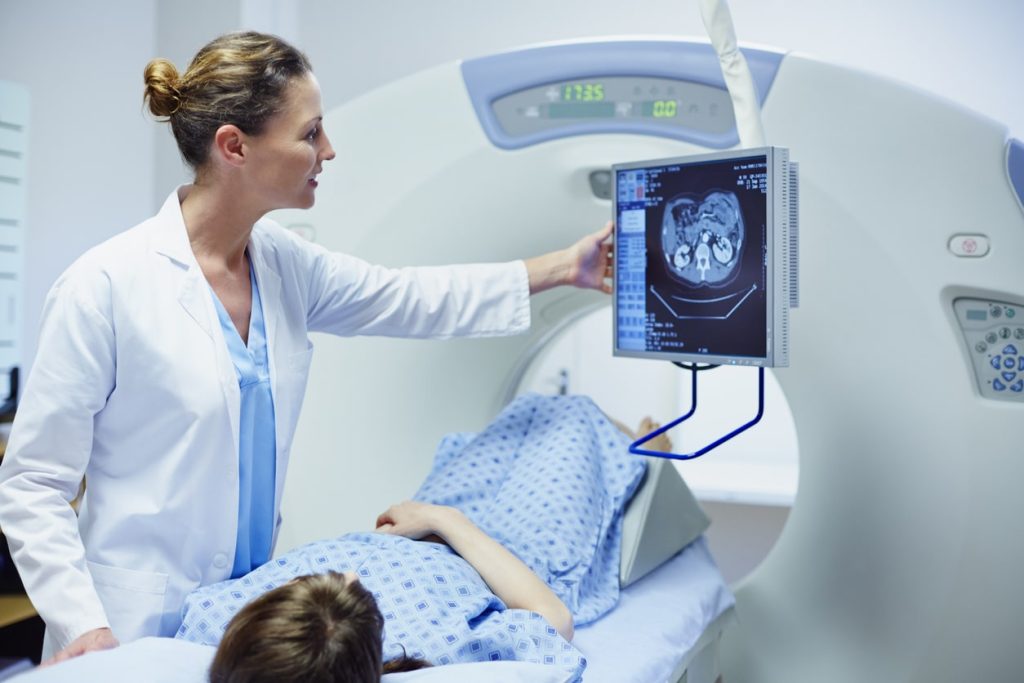
Misdiagnosis and Delayed Diagnosis Claims in California
When a patient seeks medical care, they place their health and trust in the hands of professionals.
The expectation is that a healthcare provider will exercise a reasonable degree of skill and care in diagnosing and treating their condition.
When this fundamental trust is broken due to a diagnostic error specifically, a misdiagnosis (identifying the wrong condition) or a delayed diagnosis (identifying the correct condition too late), the patient may suffer profound and often irreversible harm.
In California, these cases are the bedrock of personal injury litigation against healthcare providers and are governed by a unique set of laws, particularly those concerning Medical Malpractice & Professional Negligence in California.
This article provides an expansive look at the legal and practical realities of pursuing Misdiagnosis and Delayed Diagnosis Claims in California, detailing the elements of negligence, the critical impact of deadlines, and the crucial limitations imposed by state law.
The Legal Foundation: Medical Malpractice in California: What Counts as Negligence
A diagnostic error, by itself, is not automatically grounds for a malpractice lawsuit.
Medicine is not an exact science, and some conditions are inherently difficult to diagnose, even by the most competent physician.
The legal standard for a claim rests entirely on demonstrating negligence, which involves a breach of the "standard of care."
Defining the Standard of Care and its Breach
To succeed, a patient must prove that the healthcare professional failed to act with the knowledge, skill, and care ordinarily possessed and exercised by other members of the medical profession specializing in the same field under similar circumstances.
This benchmark - the standard of care is the critical legal yardstick.
In diagnostic cases, a breach of this standard can manifest in numerous ways. It could be the failure to compile a comprehensive differential diagnosis (a systematic list of possible conditions), which is a fundamental tool of medical practice. More specific failures include:
- Failure to Order Appropriate Tests: Ignoring standard protocols by failing to order a necessary X-ray, MRI, biopsy, or lab work that would have revealed the true condition.
- Misinterpretation of Results: A lab technician or radiologist misreading a slide, mammogram, or scan, leading the treating physician down the wrong diagnostic path.
- Failure to Follow Up: Neglecting to inform a patient of abnormal test results or failing to schedule necessary follow-up appointments to monitor an evolving symptom.
- Dismissing Patient Symptoms: A physician improperly attributing serious symptoms (such as chest pain, persistent headaches, or unexplained weight loss) to a benign condition (such as indigestion, stress, or the common cold) without a full workup.
- Failure to Refer: Not recognizing the limits of one's own expertise and failing to refer the patient to a specialist—a cardiologist, oncologist, or neurologist—when a reasonably careful physician would have done so.
The core of a misdiagnosis case, therefore, is not simply proving the diagnosis was wrong, but proving the process of arriving at that diagnosis was negligent.
This process is complex, and as such, establishing both the standard of care and its breach relies almost exclusively on the testimony of expert medical witnesses.
The Crucial Element of Causation
Establishing a breach of the standard of care is only the first hurdle. The second, equally critical element is causation.
The patient must prove that the negligent diagnostic error directly caused a preventable injury or worsened the patient's prognosis.
In the context of a delayed diagnosis, for example, the legal argument centers on the "lost chance" doctrine, or more commonly, "what if."
The plaintiff's legal team must demonstrate that, but for the delay, the patient would have had a substantially better medical outcome.
If a patient would have died from an aggressive form of cancer regardless of when it was diagnosed, then causation is absent, and the malpractice claim will fail.
Conversely, if a six-month delay allowed a localized, Stage I tumor to spread to Stage III, necessitating radical surgery, chemotherapy, and significantly reducing the survival rate, then the causation link is strong.
Common Scenarios and Related Malpractice Claims in California
Misdiagnosis and delayed diagnosis claims are often categorized by the time-critical nature of the conditions involved.
In these situations, the difference between a timely and a delayed finding can literally be the difference between a full recovery and catastrophic harm or wrongful death.
The severity of the potential injury escalates dramatically when the underlying condition is rapidly progressive, such as aggressive cancers, acute infections like sepsis, or urgent vascular events like strokes and heart attacks.
Consequently, these cases demand a particularly rigorous examination of the physician's conduct, focusing on whether the time lost due to negligence directly worsened the patient's prognosis or necessitated more radical, life-altering treatments.
The legal and medical focus shifts from simply identifying the condition to proving that the unnecessary delay - a failure to act with appropriate urgency, breached the accepted standard of care.
The determination of this accepted standard of care and whether a medical professional breached it must be established by the testimony of expert medical witnesses, as required by California law.
High-Stakes Diagnostic Errors
These cases frequently involve illnesses that are easily treatable in their early stages but rapidly become life-threatening as they progress:
- Cancer Misdiagnosis: This is arguably the most common type of misdiagnosis claim. Errors can occur with breast cancer (missed on a mammogram), lung cancer (misread X-rays), skin cancer (misdiagnosed mole), and colorectal cancer (ignored symptoms or delayed screening). The delay allows the cancer to metastasize, turning a curable condition into a terminal one.
- Acute Vascular Events: Missing the signs of a heart attack (Myocardial Infarction) or an impending stroke, especially in an emergency room setting, is a frequent basis for litigation. Symptoms are often vague or mimic other conditions, but the standard of care requires ruling out these life-threatening events immediately.
- Serious Infections: A failure to diagnose and treat sepsis, meningitis, or a deep-seated post-operative infection can lead to septic shock, multi-organ failure, amputation, or death within hours. The rapid progression of these infections makes delayed diagnosis particularly egregious.
Overlap with Other Key Areas of Malpractice
Diagnostic failure is often the root cause that links to other specialized areas of medical malpractice:
- Birth Injury Lawsuits in California: Diagnostic negligence is paramount here. The failure to timely diagnose fetal distress (e.g., non-reassuring heart rate patterns), maternal infections, or placental abruption can result in oxygen deprivation leading to cerebral palsy, brain damage, or lifelong disabilities.
- Surgical Errors: Patient Rights in California: A misdiagnosis can lead to an entirely unnecessary operation, subjecting the patient to the risks of Surgical Errors like anesthesia complications, infections, and instrument retention. Conversely, a delayed diagnosis might turn a minimally invasive procedure into complex, high-risk surgery.
- Medication and Pharmacy Error Lawsuits in California: An incorrect diagnosis inevitably leads to an incorrect prescription. Medication and Pharmacy Error Lawsuits in California may arise when a patient is harmed by the side effects of a drug they never needed or when the administration of the wrong drug delays the correct, life-saving treatment.
- Nursing Home Abuse and Neglect in California: Diagnostic lapses are common in these facilities. Failure to timely diagnose a simple urinary tract infection (UTI) can lead to sepsis. Failure to diagnose a fracture or a new onset of a stroke is a form of negligence that falls under Nursing Home Abuse and Neglect in California.
- Dental Malpractice Claims in California: Diagnostic errors in dentistry include the delayed diagnosis of aggressive forms of oral cancer or the failure to identify systemic diseases with oral manifestations, leading to unnecessary tooth extractions or bone loss.
- Psychiatric Malpractice and Mental Health Provider Liability: This specialized field involves diagnostic errors related to mental illness, but also the failure to recognize a physical medical condition presenting with psychiatric symptoms. For example, failing to diagnose a brain tumor or thyroid condition that manifests as depression or anxiety can be a form of Psychiatric Malpractice and Mental Health Provider Liability.
- Telemedicine Malpractice: Emerging Issues in California: As healthcare delivery evolves, Telemedicine Malpractice: Emerging Issues in California introduces unique diagnostic risks. The lack of a physical exam and reliance on patient reporting or remote monitoring tools means the standard of care must be applied to the limitations of the technology. A negligent failure to advise a patient to seek immediate in-person care when warranted by remote symptoms can form the basis of a claim.
Navigating the Strict Procedural Hurdles in California
California’s legal landscape for medical malpractice claims is defined by two major procedural obstacles: the statute of limitations and the pre-suit notice requirement.
The Statute of Limitations: The Race Against the Clock
California imposes one of the shortest and most complex statutes of limitations for medical malpractice in the country (Code of Civil Procedure ):
- The Discovery Rule: The claim must be filed within one year after the plaintiff discovers, or through the use of reasonable diligence should have discovered, the injury.
- The Absolute Maximum: Regardless of discovery, the claim must be filed no later than three years after the date of the injury. The injured party must satisfy whichever time limit expires earlier.
This tight deadline is particularly challenging in delayed diagnosis cases, as the patient may be unaware they were harmed by negligence until months or even years after the initial, negligent appointment.
Special Provisions for Minors and Government Entities
The law provides a specific extension for child victims: for a minor under the age of six, the deadline is the later of the standard three-year rule or until the child’s eighth birthday.
Furthermore, claims against government-run entities (such as county hospitals, public clinics, or University of California medical centers) are governed by the Government Claims Act, requiring a separate, mandatory claim to be filed with the entity within a significantly shorter window—six months from the date of injury. This adds a critical and often overlooked step for many victims.
The 90-Day Notice Requirement
Before a plaintiff can file a lawsuit, they must serve the healthcare provider with a written 90-day notice of intent to sue (Code of Civil Procedure ).
If this notice is served close to the expiration of the statute of limitations, the statute is temporarily extended for 90 days to allow for compliance with the notice rule.
The Impact of MICRA and Damage Caps in California Medical Malpractice Cases
The Medical Injury Compensation Reform Act (MICRA) is a cornerstone of California malpractice law, designed to reduce litigation costs and encourage settlement. The most well-known provision of MICRA is the cap on non-economic damages.
Understanding the Non-Economic Damage Caps
The 2023 legislative update, while complex, significantly raised the long-standing cap. The new cap structure is tiered:
- Personal Injury Claims: The cap for non-economic damages (pain, suffering, disfigurement, emotional distress, loss of enjoyment of life) began at $350,000 on January 1, 2023, and increases by $40,000 annually for ten years until it reaches $750,000.
- Wrongful Death Claims: The cap for non-economic damages in claims brought by surviving family members began at $500,000 and increases by $50,000 annually until it reaches $1,000,000.
For example, in 2025, the non-economic damage cap for a personal injury claim would be . For a wrongful death claim in 2025, the cap would be .
Uncapped Economic and Punitive Damages
It is vital to note that MICRA does not cap:
- Economic Damages: These are the quantifiable financial losses, including past, current, and future medical bills, the cost of rehabilitation and long-term care (including necessary assistive devices and in-home care), and past and future lost wages or loss of earning capacity. In severe misdiagnosis cases leading to permanent disability, these damages often run into millions of dollars.
- Punitive Damages: These are damages intended to punish the defendant for egregious, malicious, or fraudulent conduct. They are rarely awarded in misdiagnosis cases but are not limited by MICRA when proven.
The Need for Swift and Strategic Action
Misdiagnosis and Delayed Diagnosis Claims in California are a battle on two fronts: the medical and the legal.
Patients and families suffering the consequences of a diagnostic failure must quickly determine if their experience meets the threshold for Medical Malpractice in California: What Counts as Negligence and then navigate the state's rigid legal and financial environment.
The window to seek justice is narrow due to the complex statute of limitations. The recoverable non-economic compensation is subject to the rising, but still constrained, limits established by MICRA and Damage Caps in California Medical Malpractice Cases.
Success hinges on the prompt gathering of comprehensive medical records, the establishment of a clear timeline of events, and the strategic enlistment of expert legal and medical resources.
For victims, understanding the nuances of these laws and the potential overlap with claims involving Surgical Errors: Patient Rights in California, Medication and Pharmacy Error Lawsuits in California, and Telemedicine Malpractice: Emerging Issues in California is the first, most critical step toward recovery and accountability.
People Also Ask
What is considered medical malpractice in California?
Medical malpractice in California occurs when a provider fails to meet the standard of care, such as in cases of misdiagnosis, delayed diagnosis, surgical errors, or medication mistakes.
How long do I have to file a medical malpractice claim in California?
You generally have one year from discovering the malpractice or three years from the injury, plus a mandatory 90-day pre-suit notice requirement.
What are MICRA damage caps in California medical malpractice cases?
As of 2025, non-economic damages are capped at $430,000 for injury and $600,000 for wrongful death, increasing annually under MICRA.
Can you sue for birth injury lawsuits in California?
Yes. Parents can file birth injury lawsuits if negligence during pregnancy, labor, or delivery caused harm to the child or mother.
Do telemedicine malpractice claims count in California?
Yes. Telemedicine providers must meet the same standard of care as in-person doctors, making them subject to malpractice liability.