Construction Site Injuries in California: When Property Owners Are Liable
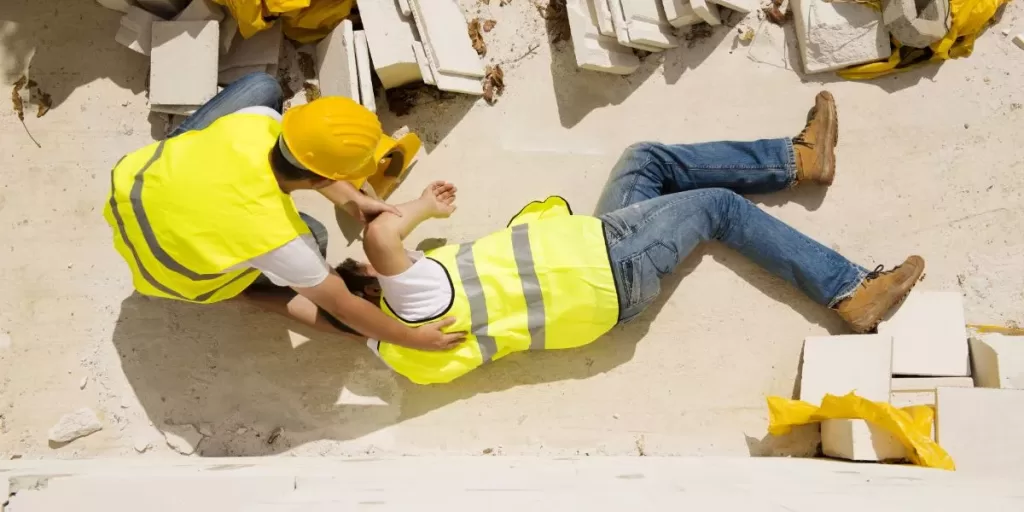
Construction sites are, by their nature, dynamic and dangerous environments that present a continuous risk of severe personal injury.
While the immediate responsibility for worker safety often rests with the general contractors and subcontractors on site, California law provides critical avenues for injured parties, including construction workers and innocent bystanders to hold the property owner accountable.
This accountability is rooted primarily in the legal concept of Premises Liability Under California Law.
The doctrine of premises liability dictates that property owners have a duty to exercise reasonable care in maintaining their property in a safe condition and to warn others of known or reasonably discoverable dangers.
When this duty is breached on an active construction site, resulting in injury, the owner can become a target of a civil lawsuit, often referred to as a third-party claim, which is separate from standard workers' compensation.
Understanding the specific legal exceptions that pierce the contractor/owner separation is paramount for determining liability following an accident.
The Foundation: Premises Liability and the Owner's Duty of Care
Under Premises Liability Under California Law, every person who owns, possesses, or controls property has a general duty to manage the property with reasonable care.
This obligation extends to those who are lawfully on the property, including construction workers, who are generally considered invitees.
The core inquiry in any premises liability case is whether the property owner breached their duty of care.
This principle is codified in California Civil Code 1714 (a), which states that everyone is responsible for injuries caused by their failure to exercise "ordinary care or skill in the management of his or her property or person."
This is typically established by demonstrating the owner’s actual knowledge or constructive knowledge (meaning they should have known through reasonable inspection) of a dangerous condition, and their subsequent failure to fix the condition or provide an adequate warning.
In a non-construction setting, this analysis applies to everyday scenarios like a customer slipping on a spilled liquid in a Retail Store Accident Claims in California.
On a construction site, however, the owner’s control is often relinquished to the contractor, making the exceptions to this general transfer of liability the focal point of a case.
For instance, an owner who fails to inspect their property for pre-existing hazards, such as an abandoned, uncapped gas line that later causes an explosion, has breached their fundamental duty of care, even if a contractor is present.
The Exclusive Remedy Rule and Third-Party Claims
For most construction workers injured on the job, the primary source of compensation is Worker's Compensation.
This system operates under the Exclusive Remedy Rule, which generally prevents an employee from suing their direct employer for negligence.
However, a personal injury claim against the property owner (or another subcontractor) is a crucial exception known as a third-party claim.
Because the property owner is not the injured worker’s direct employer, the injured party can pursue a civil lawsuit against the owner for negligence.
This is a critical distinction because Worker’s Compensation only covers limited economic damages (medical bills and lost wages) and does not allow recovery for pain, suffering, or emotional distress (non-economic damages).
A successful third-party premises liability claim against the owner, conversely, can lead to the recovery of all damages, including pain and suffering. Injured workers can find comprehensive details on their rights and benefits from the Division of Workers' Compensation's Guidebook for Injured Workers.
Critical Exceptions: When Owner Liability Attaches
While an owner is generally not liable for the negligence of an independent contractor, California law has carved out essential exceptions, particularly in light of landmark cases, most notably the Privette doctrine and its progeny, that determine when control reverts back to the owner.
Retained Control and the Privette Doctrine
The most common way to hold a property owner liable for a contractor's work is by proving the owner retained control over the worksite or the safety procedures.
The Privette doctrine generally shields an owner from liability for injuries resulting from a contractor's negligence. However, the owner can be liable if they:
- Affirmatively Contributed to the Injury: The owner must have taken an affirmative action that contributed to the creation of the hazard leading to the injury. Merely reserving the right to inspect the work or having general supervisory power is not enough.
- Retained and Exercised Control over Safety: If the owner actively steps in and controls the manner and means of the work or dictates the safety procedures, they reassume the duty of care. For example, if an owner mandated the use of a specific, faulty scaffolding system over the contractor’s objection, the owner could be held liable. This interference in the method of work must have directly contributed to the worker’s injury.
Latent Defects and Failure to Warn
An owner cannot simply transfer responsibility for hazards that existed before the contractor arrived.
If the property owner has actual or constructive knowledge of a dangerous, concealed (latent) condition on the premises that the contractor is unlikely to discover, the owner has an absolute duty to warn.
Examples of such conditions on a construction site include:
- Undocumented or abandoned underground utility lines (e.g., electrical, gas, or water).
- Prior chemical contamination or toxic mold within the structure.
- Hidden structural weaknesses in an existing building being renovated.
Failing to provide a specific warning about these Known Concealed Hazards is a direct breach of the owner’s duty, potentially leading to liability for any resulting construction site injury.
This pre-existing duty is a cornerstone of premises liability, regardless of ongoing construction.
Non-Delegable Duties and Statutory Safety
In certain situations, a property owner has a non-delegable duty, meaning they cannot transfer the legal responsibility for performing a necessary safety function to an independent contractor. This exception is often tied to:
- Statutory Safety Regulations: Some duties imposed by law—especially those concerning the public’s safety—may be non-delegable. Cal/OSHA regulations contained in the California Code of Regulations, Title 8, can sometimes impose specific, non-delegable duties on a property owner, particularly if the duty pre-existed the specific work being performed.
- Inherently Dangerous Activities: While less common for routine construction, if the activity is inherently dangerous (e.g., working with high-voltage lines or significant excavation near public areas), the owner may retain a non-delegable duty to ensure special precautions are taken.
The distinction is crucial: a duty that only arises because of the contracted work is typically delegable to the contractor.
However, an ongoing obligation that applies to the owner irrespective of the contract (like maintaining a safe common area) remains non-delegable.
Parallels with Other Premises Claims
The legal principles used to evaluate liability in a construction setting are often drawn from established law in other areas of premises liability, as seen in the wide range of personal injury cases.
Slip and Fall Accidents & Hazard Recognition
An injury caused by a poorly maintained access path or an unmarked change in elevation on a construction site is analyzed just like a typical Slip and Fall Accidents in California: Legal Rights of Victims case.
The key is proving the owner had notice of the dangerous condition. For instance, if a section of property outside the immediate work zone—but still controlled by the owner is allowed to degrade, creating a tripping hazard, the owner may be liable.
This liability holds true even for construction workers if the hazard was unrelated to the work methods.
Negligent Security and Public Safety
If a construction site is not adequately secured, allowing unauthorized entry that leads to injury for a member of the public, the claim might align with Negligent Security Lawsuits in California: Property Owner Responsibility.
Owners have a duty to prevent foreseeable harm. If inadequate fencing or lighting on a site, for example, leads to the injury of a child who wanders onto the property, the owner may be liable for the failure to secure the site perimeter.
The owner must take reasonable steps to prevent foreseeable criminal or dangerous intrusion.
Landlord and Hotel Liability During Renovations
When construction or renovation occurs at existing residential or commercial properties, the owner's liability overlaps with general tenancy law.
In cases involving Landlord Liability for Tenant Injuries in California or Hotel and Airbnb Liability in California Personal Injury Cases, the owner retains a stringent duty to protect tenants, guests, and patrons from hazards created by the construction.
This means maintaining safe common areas, clearly marking wet floors, and ensuring the operation of facilities like Elevator and Escalator Accidents in California remains safe during the construction process.
The owner cannot use construction as an excuse to ignore their duty to those legally residing or visiting the property.
Defenses Property Owners Employ
In response to a construction site premises liability claim, a property owner's legal team will typically raise several defenses:
- Contractor Control: The most frequent defense is asserting that the hazard was created and controlled exclusively by the contractor, thereby invoking the Privette doctrine shield. The owner will argue they merely hired a competent contractor and did not interfere with the manner or means of the work.
- Open and Obvious Hazard: The owner may argue the dangerous condition was open and obvious, meaning any reasonable person, especially a trained construction worker, should have seen and avoided it. This defense, however, is not always absolute; the owner may still be liable if the hazard was unavoidable despite being obvious.
- Comparative Negligence: California operates under a system of pure comparative negligence. This allows the owner to argue that the injured party was partially at fault (e.g., distracted, violating safety rules). If the court assigns 20% of the fault to the injured worker, their total compensation will be reduced by 20%.
Recoverable Damages and the Statute of Limitations
A successful third-party premises liability lawsuit against a property owner can result in significant financial recovery, often substantially exceeding the compensation provided by Worker’s Compensation. Recoverable damages typically include:
- Economic Damages: Past and future medical expenses, lost wages, loss of future earning capacity, and vocational rehabilitation costs.
- Non-Economic Damages: Compensation for pain and suffering, emotional distress, loss of enjoyment of life, and loss of consortium.
It is critical to note that California imposes a strict Statute of Limitations on personal injury claims, usually requiring the lawsuit to be filed within two years from the date of the injury.
Failure to meet this deadline generally results in the permanent dismissal of the claim.
Summary
Holding a property owner liable for a construction site injury is a complex undertaking that requires a thorough investigation into the roles and responsibilities defined by contract and case law.
California’s application of Premises Liability Under California Law provides clear pathways for recovery when the owner retains control, fails to warn of known latent defects, or breaches a non-delegable duty of care that pre-existed the contract.
Injured construction workers should always investigate the possibility of a third-party claim to seek the full scope of compensation beyond the limits of Worker's Compensation.
People Also Ask
When can a property owner be held liable for a construction site injury in California?
A property owner may be liable if they retain control over safety, fail to warn of hidden dangers, or breach a non-delegable duty under California law.
What is the Privette doctrine in California construction injury cases?
The Privette doctrine shields property owners from liability for contractor negligence, unless the owner affirmatively contributed to the hazard or retained unsafe control.
Can a construction worker sue a property owner in California?
Yes. While workers’ compensation covers employer-related claims, workers may file a third-party lawsuit against a property owner if negligence caused the injury.
What are latent defects on a construction site?
Latent defects are hidden dangers like uncapped gas lines, toxic mold, or underground utilities. Property owners must disclose these hazards to contractors and workers.
How long do I have to file a construction site injury claim in California?
In California, the statute of limitations for personal injury claims is generally two years from the date of the injury.