Understand Your Rights. Solve Your Legal Problems


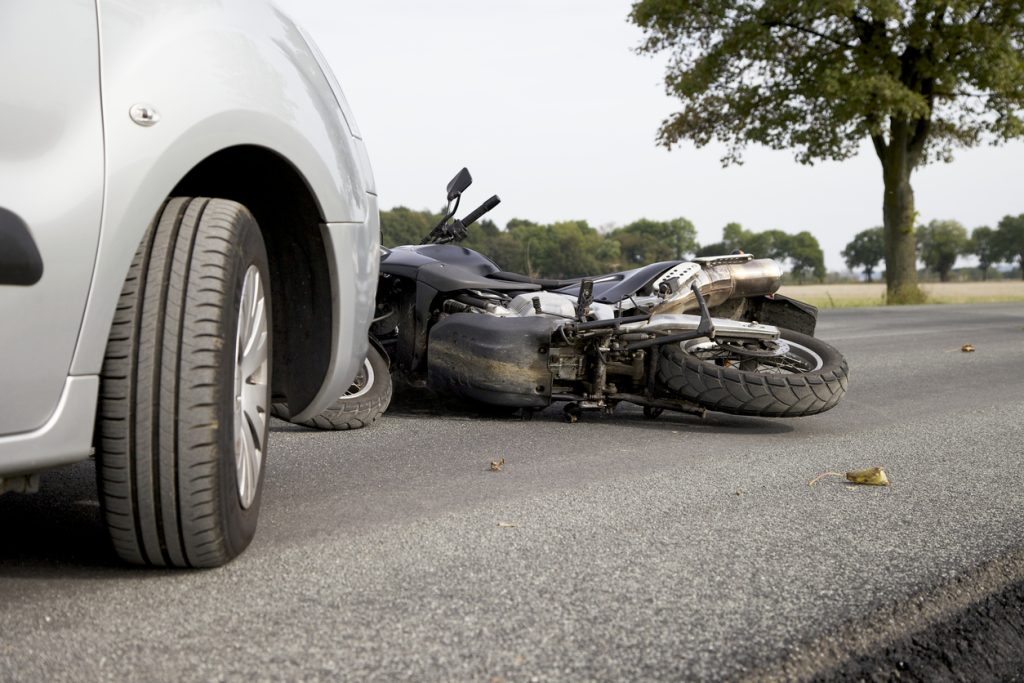
A shadow is growing on America's highways. In an era of advanced vehicle safety features, motorcycle fatalities have soared to their highest levels since 1975, sounding alarm bells for safety advocates and legal experts nationwide. According to the NHTSA, 6,335 motorcyclists died in 2023, the highest number recorded since 1975. These crashes represent a disproportionate and rising percentage of all traffic deaths, with motorcycle fatalities accounting for 15% of all traffic-related deaths. This alarming trend in motorcycle accidents is transforming scenic rides into life-altering tragedies with frightening frequency, fueled by a dangerous combination of modern distractions and aggressive driving behaviors.
This public safety crisis sits at the intersection of technological progress and human fallibility. The very in-car infotainment systems designed for convenience have become potent sources of distraction. At the same time, impatient and aggressive drivers increasingly populate post-pandemic roadways. This new environment is particularly perilous for motorcyclists, who lack the protective shell of a passenger vehicle. This report investigates the root causes behind the surge, the devastating human and financial toll on victims and their families, and the complex legal battles that follow in the wake of a crash.
The single greatest behavioral shift contributing to rising motorcycle accidents is the ubiquity of smartphones and complex in-car systems. In a recent report from the National Distracted Driving Coalition (NDDC), experts called for comprehensive enforcement and education, noting that even a momentary glance away from the road can be fatal. For a motorcyclist, who is smaller and harder to spot than a car, that split second of inattention from another driver often means a near-miss or catastrophic collision. News reports from across the country in 2025 echo this concern, with police in Massachusetts and Thailand citing distracted driving as a primary factor in a growing number of serious crashes.
The return to pre-pandemic traffic levels has been accompanied by a noticeable decline in patience and attentiveness among drivers. Safety officials and law enforcement agencies have observed a marked increase in speeding, aggressive lane changes, and general carelessness on newly congested roads. In response to these dangerous trends, police departments have initiated targeted campaigns like 'Operation Slowdown' in Memphis, which was launched after a deadly July 2025 incident involving motorcyclists. This initiative, and others like it, aim to curb the reckless habits that have become alarmingly common, putting every road user—especially the most vulnerable—at risk.
While modern factors are worsening the problem, the most frequent causes of motorcycle crashes remain tragically consistent. Understanding these common scenarios is critical for both riders and other motorists to foster greater awareness and defensive driving habits. Key causes include:
A motorcyclist has virtually no physical protection in a collision, so the resulting injuries are often severe and life-altering. Even when wearing a helmet—which reduces the risk of death by 37%—riders are susceptible to traumatic brain injuries (TBIs), spinal cord damage leading to paralysis, severe road rash, and limb amputations. The human cost of this trend is immense, as seen in the advocacy of individuals like Annabel Mieses, a New York mother who began pushing for greater motorcycle safety awareness after her son died in a crash. Her story is a painful reminder that behind every statistic is a family shattered by a preventable tragedy.
The aftermath of a serious motorcycle crash extends far beyond the initial emergency room visit. Victims and their families face a mountain of expenses that can include long-term rehabilitation, assistive medical devices, home modifications, lost wages, and a permanently diminished earning capacity. While an average settlement might hover around $80,000 for less severe incidents, cases involving catastrophic injuries can easily result in compensation exceeding $1 million to cover a lifetime of necessary care. Victims pursuing justice must understand the different types of damages they can claim to ensure they are fully compensated for all their losses.
| Type of Damage | What It Covers | Example |
|---|---|---|
| Economic Damages | Tangible, calculable financial losses. | Medical bills (immediate and future), lost wages, property damage to the motorcycle, rehabilitation costs. |
| Non-Economic Damages | Intangible losses related to quality of life. | Pain and suffering, disfigurement, emotional distress, loss of consortium. |
| Punitive Damages | Awarded to penalize the defendant for extreme negligence. | May be awarded if the at-fault driver was intoxicated (DUI) or driving with extreme recklessness. |
Immediately following a motorcycle crash, victims are often thrust into an adversarial relationship with insurance companies. The primary objective of an insurer is to protect its bottom line by minimizing payouts. Adjusters frequently employ tactics designed to shift blame onto the rider, suggesting they were speeding or driving recklessly, even without evidence. This is particularly damaging in states with comparative fault laws, where even being found partially at fault can drastically reduce or eliminate a victim's ability to recover compensation. A competent personal injury lawyer can counter these tactics, conduct an independent investigation, and fight for the claim's full value.
The U.S. legal system is notoriously complex, and for victims who do not speak English as their first language, the barriers to justice can feel insurmountable. Communicating with police, documenting evidence, and understanding legal documents become significant hurdles. Finding representation bridging language and cultural barriers is critical for these victims. Securing a dedicated motorcycle accident lawyer (abogado de accidentes de motocicleta) can make the difference between a dismissed claim and securing the necessary compensation for recovery and long-term stability.
Protecting one's health and legal rights in the moments after a crash is paramount. Experts advise a clear course of action. First, get immediate medical attention, even if injuries seem minor, as some serious conditions like concussions or internal bleeding may not present symptoms right away. It is crucial to report the incident to the police to create an official record. Document everything by taking photos of vehicle damage, road conditions, and any injuries if possible. Gathering contact information from witnesses can also be invaluable. Finally, before engaging with any insurance adjusters, consult a lawyer who can provide guidance and protect you from accepting a lowball settlement offer.
The alarming spike in motorcycle fatalities is not a simple problem with a single solution. It is a multifaceted public safety crisis driven by the modern realities of distracted driving, a decline in driver courtesy, and the inherent risks of riding. The data and stories from nationwide paint a clear picture: our roads are becoming more dangerous for our most vulnerable users. Addressing this requires a collective effort. It demands greater awareness and caution from all motorists, proactive safety campaigns and stronger legislation from lawmakers, and a continued commitment to defensive riding and proper gear from the motorcycle community. The legacy of this dangerous trend will be determined by how effectively society responds to these hidden, and not-so-hidden, dangers on the road.
Q: How much is a typical motorcycle accident case worth?
A: There is no typical amount, as it depends on the seriousness of injuries and other factors. While the average settlement is around $80,000, cases involving serious injuries like TBIs or paralysis can result in compensation well over $1 million to cover lifelong care.
Q: What is the single most common cause of crashes between a car and a motorcycle?
A: The most frequent cause is a car turning left in front of an oncoming motorcycle. These incidents account for 42% of all car-motorcycle collisions, often because the driver misjudges the rider's speed or fails to see them.
Q: Do I need a lawyer if the other driver's insurance company made a settlement offer?
A: It is highly advisable to consult an attorney before accepting any offer. Initial ones from insurance companies are often far below the true value of a claim, especially when long-term medical care and lost income are factored in. An experienced lawyer can assess the full value of your case and negotiate for fair compensation.