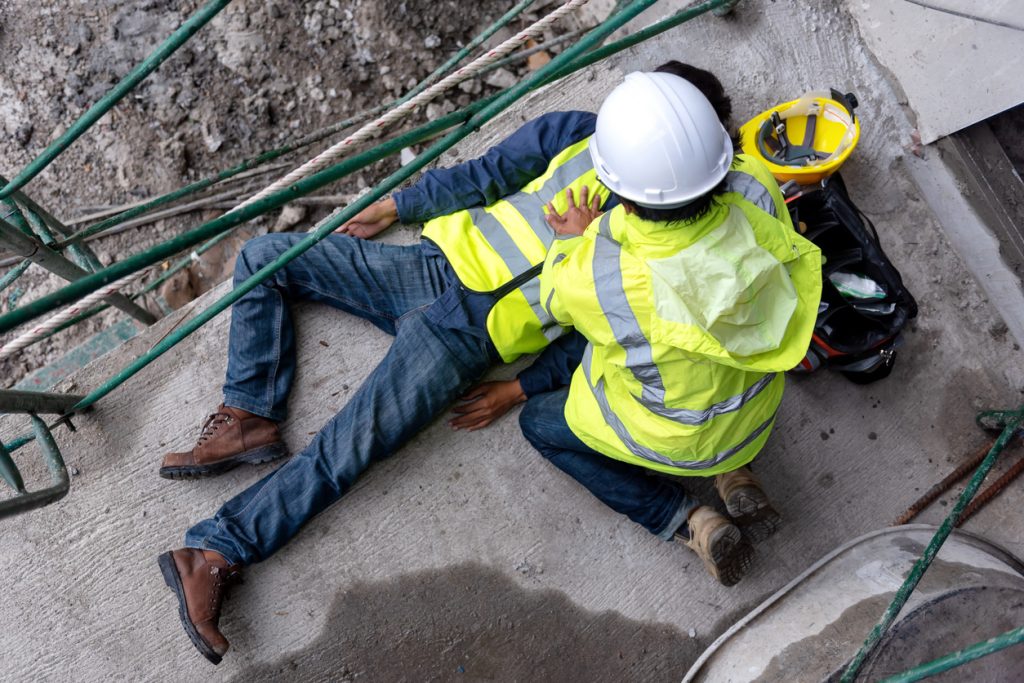
A new report investigating workplace safety within Pennsylvania's burgeoning logistics sector reveals a troubling surge in serious injuries, highlighting a systemic issue fueled by the rapid expansion of e-commerce. This growth has created thousands of jobs while simultaneously exposing significant safety gaps. According to the BLS, Pennsylvania had 183 fatal slips, trips, and falls during 2022, underscoring the lethal potential of hazards common in fast-paced warehouse environments. This analysis will investigate the data behind this alarming trend, examine the hazardous on-the-ground conditions driving it, and analyze the legal and regulatory responses demanded by labor advocates to protect the state's essential workers.
A Statistical Snapshot of a Growing Crisis
The hard data from state and federal sources shows a growing safety crisis within Pennsylvania's warehouses and industrial sites. This finding is powerfully reinforced by BLS data, which confirms that falls are a leading category of fatal events, outpacing many other recognized industrial dangers. For instance, while the transportation industry often receives significant attention for its risks, it saw 77 fatalities in the same period that fall-related deaths reached 183 across all sectors, placing warehouse and construction site conditions under intense scrutiny.
The economic boom in Pennsylvania's construction and logistics sectors has created widespread employment but also increased the frequency of worker exposure to high-risk environments. The construction industry alone saw 28 workers die from a slip, trip, or fall in 2022, a statistic that points to systemic issues with site maintenance and safety protocols. The relentless pace of e-commerce fulfillment further compounds the problem, as the pressure for speed often compromises safety.
This growth is a key contributing factor, as more workers are placed into settings where hazards like spills, poorly maintained walkways, and inadequate lighting can have devastating consequences. These injury statistics will likely worsen without a fundamental safety culture and enforcement shift.
| Accident Category | Percentage of Workplace Fatalities (PA) | Notable Contributing Factors |
|---|---|---|
| Transportation Incidents | 30% | Forklift accidents, collisions during loading/unloading, distracted driving in work zones. |
| Slips, Trips & Falls | 25% | Poorly maintained walkways, spills, inadequate lighting, pressure to meet speed quotas. |
| Contact with Objects | ~15% | Struck by falling objects from high shelves, caught in or between machinery. |
| Exposure to Substances | ~10% | Chemical spills, inhalation of harmful materials without proper PPE. |
Source: U.S. Bureau of Labor Statistics, Pennsylvania Data
Pressure, Clutter, and a Lack of Training: What Workers Report
Beneath the statistics lies a troubling reality of the on-the-ground conditions that directly contribute to these injuries. Labor advocates and workers consistently report that intense performance quotas are a primary factor driving unsafe behaviors. The pressure to meet demanding pick-and-pack rates forces employees to rush, cut corners on established safety protocols, and push through physical exhaustion, significantly elevating the risk of an accident. A report from the Strategic Organizing Center found that Amazon warehouse workers suffer injuries at double the rate of the industry average, a trend directly linked to the company's aggressive productivity monitoring. This culture of speed over safety creates an environment where a simple misstep can lead to a life-altering injury.
Hazardous physical environments, a common theme in injury reports, magnify these pressures. Workers frequently cite dangers such as cluttered aisles obstructed by pallets and debris, blocked emergency exits, and precariously stacked goods that threaten to collapse. A recent serious accident at a Pella Windows warehouse involved a worker who was pinned under multiple heavy doors while unloading a delivery truck. He suffered serious injuries and was brought to the hospital in critical condition. Events like these often trigger investigations from OSHA, which is frequently called upon to assess whether corporate negligence contributed to the incident. These investigations are critical for holding companies accountable and preventing future tragedies from disorganized and dangerous worksites.
Furthermore, reports of inadequate training and faulty equipment are pervasive, particularly for new hires or those operating heavy machinery. Many injured workers state they received insufficient instruction on safely operating forklifts, pallet jacks, and other essential equipment. This lack of preparation often accompanies malfunctioning or poorly maintained safety gear, from unreliable mezzanine guardrails to a shortage of proper Personal Protective Equipment (PPE). OSHA regulations, such as standard 1910.178(l) for powered industrial trucks, explicitly mandate comprehensive training and certification. Yet, advocates argue that enforcement is too lax and penalties are too low to ensure universal compliance.
Common Safety Failures Cited in Warehouse Injury Reports
- Pallets, boxes, or debris obstruct walkways and aisles.
- Failure to promptly clean up liquid or chemical spills.
- Inadequate lighting in storage areas and loading docks.
- Lack of proper guardrails on elevated platforms and mezzanines.
- Insufficient or rushed training on forklift operation and other heavy equipment.
- Pressure to bypass safety checks to meet aggressive performance targets.
- Unavailable or poorly maintained Personal Protective Equipment (PPE).
Beyond Workers' Comp: Navigating Liability for On-the-Job Injuries
In response to this growing crisis, labor unions and safety advocates are intensifying their calls for greater corporate accountability and stronger regulatory oversight. They are pushing for increased OSHA enforcement, including more frequent and unannounced inspections, and substantially higher financial penalties for companies with repeated safety violations. There is a clear precedent for legislative action to expand worker protections in the state; for example, recent legislation was passed to strengthen protections for first responders, demonstrating a willingness to address specific workplace dangers through targeted laws. Advocates argue a similar focus is now urgently needed for the thousands of workers in Pennsylvania's logistics industry.
While workers' compensation is the primary system for addressing on-the-job injuries, employees and their families must understand its limitations. Workers' comp usually covers medical expenses and a percentage of lost wages, but it does not compensate for pain, suffering, or the full extent of a family's loss. Because of these limitations, exploring all available legal avenues is essential for achieving a just outcome and securing a family's financial future after a devastating accident.
In many cases, an injured worker may have legal options beyond a standard workers' compensation claim through what is known as a third-party liability claim. This type of action is possible when the injury was caused by the negligence of a party other than the direct employer, such as a separate contractor on the same worksite or the owner of the property where the warehouse is located. These cases often hinge on proving premises liability, where a property owner or manager knew or should have known about a dangerous condition but failed to act.
Victims may have a strong case for injuries resulting from specific hazards like uncleared spills, broken stairs, or icy walkways. Navigating the complexities of these claims requires specialized knowledge, and many injured workers consult with a slip and fall lawyer Philadelphia to determine if a third party shares responsibility for their accident.
The Path Forward: Building a Safer Pennsylvania Workforce
Pennsylvania's booming logistics industry is at a crossroads. It faces a severe workplace safety problem, as documented by rising injury statistics and widespread reports of hazardous conditions. The health and well-being of workers and the industry's long-term sustainability are at stake.
Addressing this crisis effectively will demand a committed, multi-faceted approach. This must involve a stronger, more visible commitment from corporate leadership to a safety culture, moving beyond mere compliance to genuine prevention. It also requires robust regulatory oversight from agencies like OSHA to ensure that safety standards are not just suggestions but enforceable mandates. Finally, workers must be empowered with a full understanding of their legal rights when an accident does occur, ensuring they can achieve justice and secure the resources needed to recover.