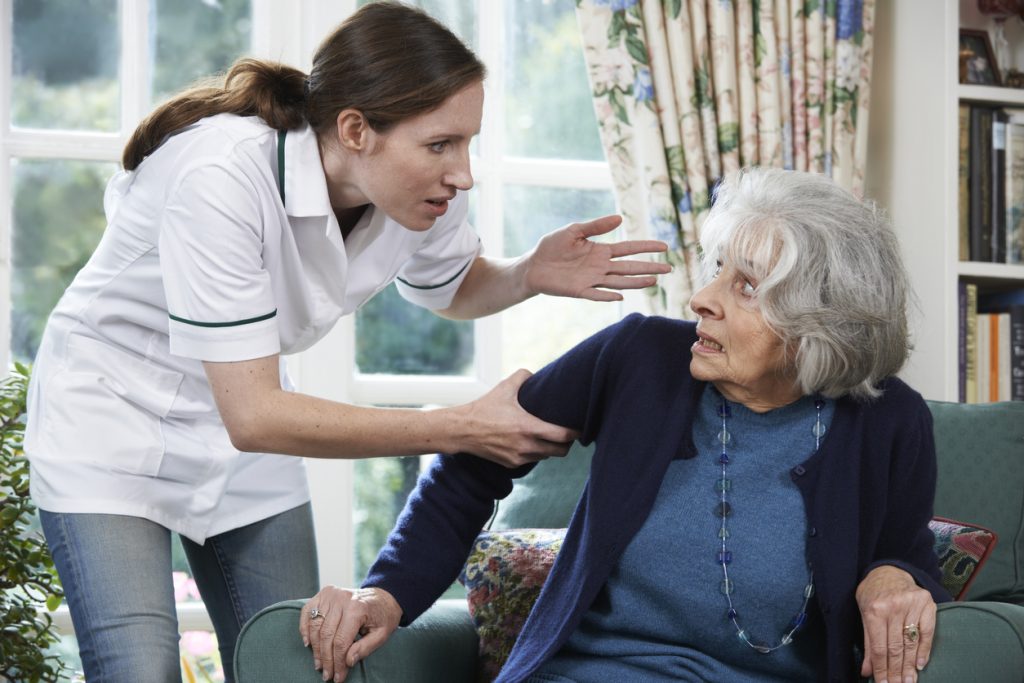
For months, the Garcia family attributed their grandmother's quietness to settling into her new nursing home. They dismissed her weight loss as a loss of appetite. It was only when a visiting friend, a retired nurse, pointed out the faint pressure sore on her heel and the slight smell of ammonia in her room that the family's worst nightmare began to take shape.
The Garcias' experience is tragically common. According to the World Health Organization, one in six adults over 60 experienced abuse in community settings last year, and a shocking two out of three nursing home staff admitted to committing abuse. This guide is designed to give you the knowledge to see the warning signs they missed, so you can act before it's too late.
What Are the Most Common Physical Signs of Neglect?
Recognizing neglect requires looking beyond the obvious. While unexplained bruises are a major concern, the more insidious signs often manifest as a slow, steady decline in your loved one's physical health, pointing to systemic failures in care.
Beyond Bruises: A Pattern of Physical Decline
Bedsores, or pressure ulcers, are skin and underlying tissue injuries caused by prolonged pressure. They are a significant red flag, indicating that a resident is not being repositioned regularly, a fundamental task of proper nursing care. Similarly, sudden and significant weight loss or signs of dehydration can point directly to malnutrition or a staff member's failure to assist with eating and drinking. These conditions are not just signs of neglect; they can precipitate a cascade of serious medical complications.
Poor hygiene is another critical indicator that basic needs are not being met. You should pay close attention to an unkempt appearance, persistent body odor, overgrown nails, or declining oral health. These issues often arise from severe understaffing, where aides lack the time to perform essential duties. In one harrowing example, an investigation into Waterview Heights revealed that residents were left to lie in their own waste for hours, a widespread violation that placed them in immediate jeopardy.
Unexplained Injuries and Medication Issues
Falls and medication errors are two of the most dangerous and under-reported consequences of neglect. A study published in the JAMA Network Open found that nursing facilities failed to disclose 40% of major-injury falls to regulators, hiding critical safety failures from families. Medication errors can be just as deadly. Recently, a hospital reported a Cedar Rapids nursing home for abuse after a resident was given the wrong medication and hospitalized for medication poisoning, a clear sign of systemic breakdown.
Physical Red Flag Checklist
- Development of bedsores, especially on the back, heels, and hips.
- Significant, unplanned weight loss over a short period.
- Signs of dehydration like dry mouth, chapped lips, and confusion.
- Persistent body odor or soiled clothing/bedding.
- Untreated infections or injuries.
- Frequent falls or unexplained fractures.
How Can a Loved One's Behavior Signal a Deeper Problem?
Some of the most telling signs of neglect are not physical but behavioral. It is crucial to learn how to interpret emotional and psychological changes that might otherwise be dismissed as natural symptoms of aging or dementia.
Emotional and Psychological Red Flags
A sudden and dramatic shift in your loved one's personality or mood should always be taken seriously. Look for unexplained withdrawal from social activities they once enjoyed, frequent crying spells, or a general loss of interest in their surroundings. Fear and anxiety are also powerful indicators. Be especially alert if your loved one seems fearful of being touched or becomes agitated when specific caregivers are present. In one disturbing case, two nursing home employees were charged after being caught on video antagonizing and abusing a resident, an act of cruelty that would explain any victim's terror.
Differentiating Normal Aging from Signs of Trauma
While some mood changes can be part of the aging process, the key is to watch for abrupt shifts or behaviors that are profoundly out of character. Gradual changes may be normal, but sudden transformations often signal trauma.
| Normal Behavioral Change | Potential Red Flag of Neglect |
|---|---|
| Gradual increase in forgetfulness. | Sudden onset of extreme confusion or delirium (can indicate dehydration or infection). |
| Occasional irritability or low mood. | Persistent fear, anxiety, or agitation, especially around certain staff members. |
| Preferring quieter, familiar activities. | Abrupt withdrawal from all social interaction and refusal to leave their room. |
| Sadness related to loss or health decline. | Unexplained depression or expressing feelings of helplessness and despair. |
What Environmental Cues Reveal a Failing Facility?
The physical environment of a nursing home directly reflects the quality of care provided. When you visit, engage all your senses to detect warning signs that management may try to hide.
The Telltale Signs of an Unsafe Environment
Trust your instincts from the moment you walk through the door. Are there persistent, unpleasant odors of urine or feces? Are hallways poorly lit, or are there tripping hazards like frayed carpets and cluttered walkways? Pay attention to the condition of common areas and resident rooms. A January 2025 investigation by the Illinois Department of Public Health found that Fair Havens Senior Living had just four minimally functional showers and no usable tubs for its 154-bed capacity—a serious deficiency underscoring significant concerns about resident dignity and safety.
Is the Facility Chronically Understaffed?
Chronic understaffing is the root cause of most instances of nursing home neglect. High staff turnover and inadequate staffing levels directly compromise the safety and health of every resident. This is a nationwide crisis; in Kansas, for instance, nearly half of all state nursing home investigator jobs are vacant, meaning thousands of complaints about neglect and abuse go uninvestigated. The numbers at a facility level tell an even clearer story. At Gandy Crossing Care Center, Medicare inspectors found that residents received only 21 minutes of registered nurse time daily—far below the national average of 41. That facility has a 61% total nursing staff turnover rate, a clear indicator of systemic problems. When staff are overworked and constantly changing, care quality plummets.
How Should You Document and Report Suspected Neglect?
Moving from suspicion to action requires a methodical approach. Your ability to protect your loved one depends on creating a clear, objective record of your concerns and following the correct reporting procedures.
Creating a Trail of Evidence
Your most powerful tool is documentation. Start by keeping a detailed journal. For every concern, note the date, time, and specific details of what you observed. Who was on duty? What was your loved one's condition? What was said when you raised the issue? Where legally permitted, take dated photographs or videos of injuries, unsanitary conditions, and evidence of poor hygiene. It is also important to talk to other residents and their families; you may discover that your concerns are part of a larger, troubling pattern.
Investigating the Facility's History
A facility's past performance is one of the strongest predictors of its current conditions. Official records can reveal patterns of abuse, neglect, and understaffing that confirm your suspicions. You should use Medicare's Care Compare tool to check official ratings and inspection reports. For instance, you would discover that Gandy Crossing Care Center holds the lowest possible rating for staffing—one out of five stars. Facilities with poor records often have a history of financial penalties; that same facility paid four federal fines totaling $253,891. Consulting experts who research these histories can provide crucial context to help families understand a facility's complete track record of violations and complaints.
Following the Official Reporting Chain
Your first step should be to write your concerns to the facility's director of nursing or administrator, creating an official record of your complaint. If the situation is not resolved promptly and satisfactorily, you must escalate it. Immediately contact your state's Long-Term Care Ombudsman Program, a dedicated advocacy group that, according to one report, served over 3 million people in 2022. Finally, file a formal complaint with the state licensing agency, such as the Department of Public Health. These government bodies are responsible for conducting official investigations and issuing citations and fines.
Your Vigilance Is Their Strongest Defense
Neglect is often quiet and insidious, manifesting as bruises, loneliness, hunger, and fear. Recognizing the full spectrum of physical, behavioral, and environmental signs is the first and most critical step toward protecting the person you love. These signs are not isolated incidents but symptoms of a failing system that requires your intervention.
Trust your instincts. By meticulously documenting your observations, researching the facility's history, and formally reporting your concerns, you are not just a vigilant family member but a fierce advocate. You have the power to protect your loved one and ensure they receive the safe, dignified, and compassionate care they fundamentally deserve.