Understand Your Rights. Solve Your Legal Problems


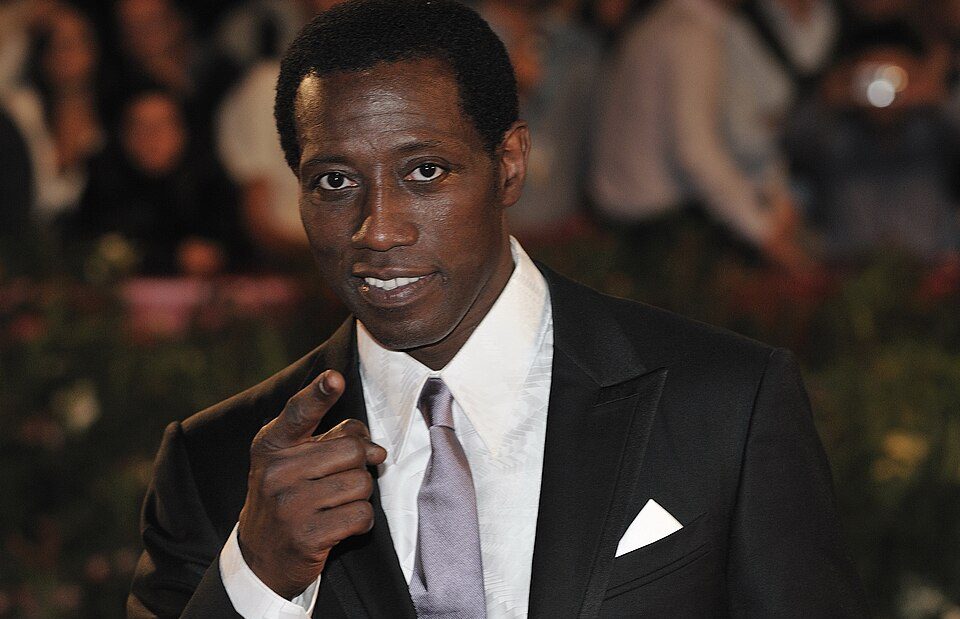
Wesley Snipes, a prominent Hollywood actor best known for his role in the Blade trilogy, became the subject of national headlines when he was prosecuted by the federal government for tax-related offenses.
His case, involving millions in unpaid taxes and reliance on discredited legal arguments, highlighted the intersection of celebrity status, misinformation, and the legal consequences of challenging federal tax laws.
Wesley Trent Snipes, born July 31, 1962, in Orlando, Florida, was raised in the Bronx, where he nurtured a deep love for martial arts, drama, and discipline. By the late 1980s and throughout the 1990s, he was one of the most recognizable Black actors in Hollywood.
Hits like New Jack City, White Men Can’t Jump, Demolition Man, and Blade brought both fame and fortune. By the turn of the millennium, Snipes had reportedly earned tens of millions of dollars.
But beneath the surface of his cinematic success, a troubling pattern was emerging one shaped by skepticism, spiritual inquiry, and a growing belief in anti-establishment ideology.
In 1999, Wesley Snipes stopped filing his federal income tax returns. He had become convinced partly through the influence of two anti-tax promoters, Eddie Ray Kahn and accountant Douglas Rosile, that a section of the Internal Revenue Code known as "861" proved that U.S. citizens did not owe taxes on money earned within the United States. This interpretation was widely considered a fraudulent misreading of tax law.
Over the next several years, Snipes filed more than $11 million in refund claims for taxes he had never paid. He submitted so-called “bills of exchange,” non-negotiable documents intended to appear like payment but legally worthless.
He declared himself a "non-resident alien," claiming exemption from tax jurisdiction. His advisers were already on the IRS’s radar, and eventually, so was Snipes.
On October 17, 2006, Snipes was indicted on eight counts, including conspiracy to defraud the U.S. government and willful failure to file income tax returns. The indictment spanned the years 1999 to 2004, during which Snipes earned tens of millions from acting jobs—including the Blade films—and other ventures.
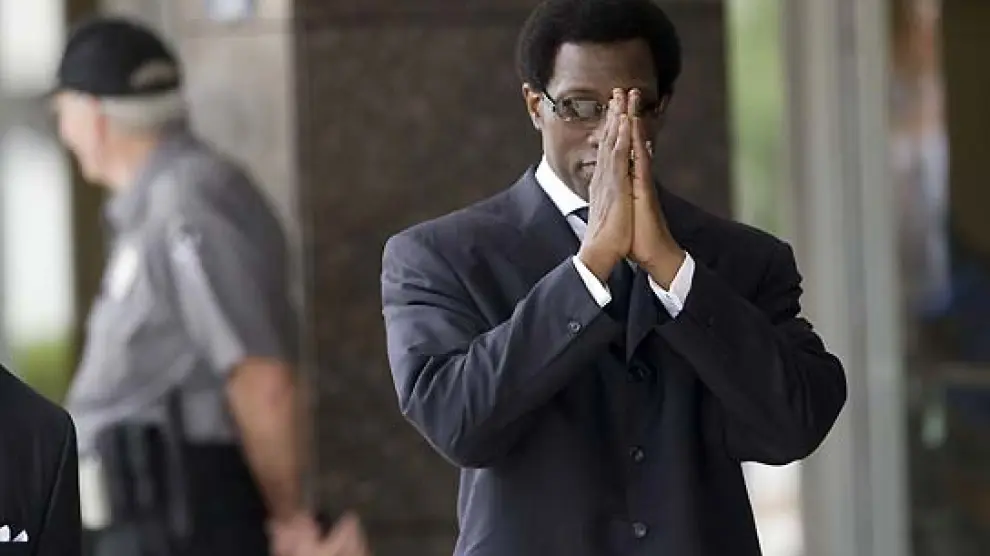
Wesley Snipes outside the federal courthouse in Ocala, Florida, in 2008, moments before his tax trial began.
When the trial began in January 2008 in Ocala, Florida, Snipes adopted a bold legal strategy. He did not testify. His legal team presented no witnesses. Instead, they focused on discrediting the prosecution’s intent and framing Snipes as a man misled by charlatans. They argued that his beliefs, however misguided, lacked criminal intent.
This defense sometimes summarized by the phrase "kooky is not criminal", had mixed success. While he was acquitted of felony conspiracy and filing false refund claims, the jury found him guilty on three misdemeanor counts of failing to file federal tax returns for 1999, 2000, and 2001.
In April 2008, a federal judge sentenced Snipes to the maximum three years in prison - one year per count. Despite his celebrity status, or perhaps because of it, the court was firm. The prosecution argued that a stiff sentence was necessary to deter other high-income individuals from attempting similar tax protest schemes.
Snipes remained free on appeal until December 9, 2010, when he reported to the Federal Correctional Institution McKean in Pennsylvania. He served 28 months in prison and was released to home confinement on April 2, 2013. His supervised release ended on July 19, 2013, marking the full completion of his sentence.
Throughout the ordeal, Snipes maintained that he had been duped but not defiant. His public statements painted him as an idealist, gullible, ambitious, and spiritual.
He had long been associated with philosophical groups like the Nuwaubians, known for their Afrocentric and often conspiratorial ideologies.
Whether these influences contributed to his anti-tax beliefs remains speculative, but the patterns are suggestive.
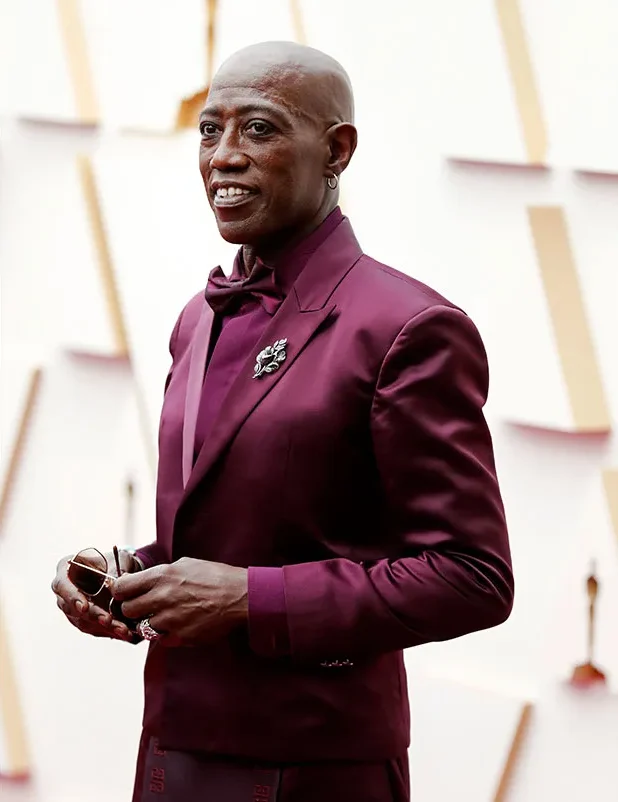
Wesley Snipes broke red carpet convention at the 94th Academy Awards in 2022, sporting a custom burgundy Bogard by MikeB shorts suit, complete with matching leggings, floral lapel pin, hoop earrings, aviator shades, and high-top sneakers.
His distrust of the system, amplified by America’s long history of systemic racism, may have made him more susceptible to pseudo-legal reasoning cloaked in the language of sovereignty, natural law, and spiritual liberation.
Celebrity may have exacerbated this. Wealthy, isolated, and surrounded by enablers, Snipes seemed to live in a world where fringe ideologies went unchallenged until it was too late.
Appeals to overturn his conviction were denied by the Eleventh Circuit Court of Appeals in 2010 and by the U.S. Supreme Court in 2011. Notably, his team argued that the trial venue (Ocala, FL) was inappropriate and potentially biased, a claim the courts dismissed.
In 2018, five years after his release, Snipes attempted to settle his remaining $23.5 million tax debt through an offer in compromise of $842,000. The IRS refused, and a tax court judge ruled that Snipes' claim of financial hardship lacked credibility.
His tax woes continue to shadow him, raising deeper questions about how celebrity, ideology, and the legal system collide in the American psyche.
As someone who grew up watching Snipes carve out his own lane in action cinema, it's surreal to look back and see how fame, ideology, and bad advice collided to bring down a superstar.
Wesley Snipes’s descent from action hero to convicted tax protester is not just a tale of legal missteps but a cautionary narrative about the power of belief, the seduction of fringe ideologies, and the vulnerabilities of fame.
The line between misguided idealism and criminal conduct is razor-thin and in Snipes’s case, it landed him behind bars.

Wesley Snipes returned to the screen in 2021 as General Izzi in Coming 2 America, marking a high-profile comeback after his release from prison.
Since completing his sentence in 2013, Snipes has slowly returned to public life. He appeared in Coming 2 America (2021) and has taken on select roles in independent projects. Now in his 60s, he maintains a lower profile, focusing on film development, spiritual interests, and staying out of further legal trouble.
In later interviews, Snipes reflected on his prison experience with humility and spiritual clarity. "I came out a clearer person," added Snipes. "Clearer on my values, clearer on my purpose, clearer about my relationship with my ancestors and the great god and the great goddess above, and clearer on what I was going to do once I had my freedom back."
"The biggest thing I got from it was learning the value of time and how we often squander it ... I understand that very clearly now, having been away from my family and loved ones two and a half years." said the father of five.