Understand Your Rights. Solve Your Legal Problems


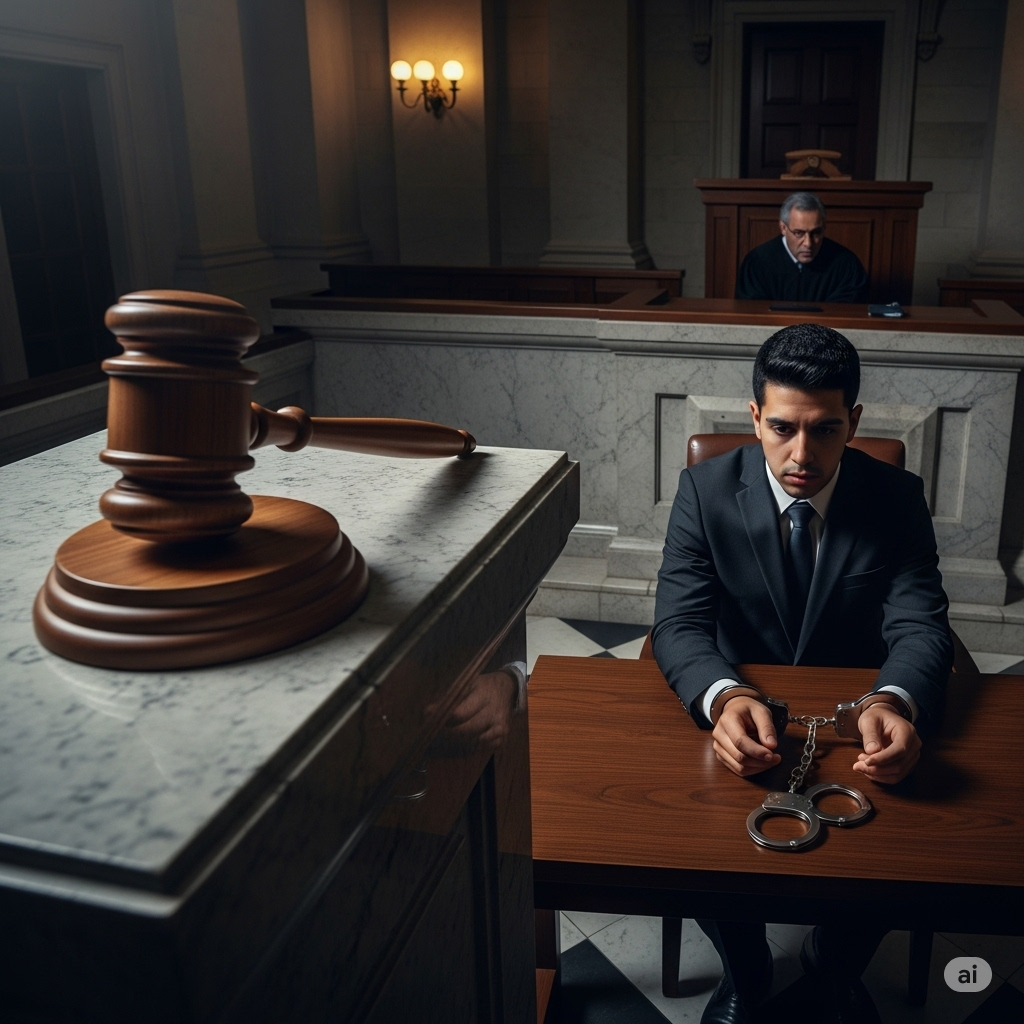
If you or someone you love has been arrested in Washington, it’s completely normal to feel overwhelmed, scared, or even ashamed. You might not know what’s going to happen next or who to turn to.
This article is here to walk you through the most important things to understand clearly, calmly, and without complicated legal speak. Whether you're facing a DUI or something more serious, knowing your rights and what to expect can make a world of difference.
Washington state sees a wide range of criminal charges, but some are more common than others. Here’s a quick look at what people are most often arrested for:
DUI (Driving Under the Influence): This is one of the most frequent charges. Washington law prohibits operating a vehicle with a blood alcohol concentration (BAC) of 0.08% or higher.
Assault: This covers everything from bar fights (assault in the fourth degree) to more serious offenses involving weapons or serious injuries.
Theft and Shoplifting: Charges range from misdemeanors for petty theft (under $750) to felonies for larger amounts.
Drug Possession: While simple possession of marijuana is legal in small amounts for adults, other drugs like cocaine, meth, or unauthorized prescription meds, can lead to serious charges.
Domestic Violence: Often paired with assault or harassment charges, these are taken very seriously in Washington courts.
In Washington, criminal charges are divided into misdemeanors, gross misdemeanors, and felonies:
Misdemeanor: The least serious. Includes minor theft or trespassing. Punishable by up to 90 days in jail and a $1,000 fine.
Gross Misdemeanor: A step up. Includes DUI or assault in the fourth degree. Carries up to 364 days in jail and a $5,000 fine.
Felony: The most serious. Felonies in Washington are classified into:
Class A Felony: Up to life in prison and $50,000 fine (e.g., murder, rape).
Class B Felony: Up to 10 years in prison, $20,000 fine (e.g., burglary).
Class C Felony: Up to 5 years in prison, $10,000 fine (e.g., felony drug possession).
After an arrest, here’s a general outline of what you can expect:
Booking: You're taken to jail, fingerprinted, and photographed.
Initial Appearance/Bail Hearing: Usually happens within 48 hours. A judge may set bail or release you on your own recognizance.
Arraignment: You hear the charges and enter a plea (guilty, not guilty, or no contest).
Pretrial Hearings: These include negotiations, motions, or plea bargains.
Trial or Plea Agreement: If you plead guilty or reach a deal, sentencing follows. If not, a trial is scheduled.
Sentencing: If convicted, the judge imposes penalties based on the offense and your history.
Yes, even for a first offense, having legal help can be the difference between jail time and a second chance. A criminal defense lawyer in Washington can:
Protect your rights in court
Negotiate for reduced charges or alternative sentencing
Spot flaws in evidence or police procedure
Guide you through confusing paperwork
Compare top-rated criminal defense lawyers in Washington to find the right advocate for your case.
If you can’t afford a private lawyer, you may qualify for a public defender. These are licensed attorneys appointed by the court. While they work hard and know the system well, they often juggle heavy caseloads and may have limited time to meet with you.
If your case is complex or you're worried about getting enough attention, a private attorney may be worth considering.
Here’s a general breakdown of Washington sentencing guidelines:
| Charge Type | Max Jail/Prison Time | Max Fine |
|---|---|---|
| Misdemeanor | 90 days | $1,000 |
| Gross Misdemeanor | 364 days | $5,000 |
| Class C Felony | 5 years | $10,000 |
| Class B Felony | 10 years | $20,000 |
| Class A Felony | Life in prison | $50,000 |
Some crimes may also carry mandatory minimums or include additional consequences like license suspension, probation, or registration as a sex offender.
Life happens, and sometimes past mistakes can cast a long shadow. If you have a criminal record in Washington State, you might be wondering if you can ever truly get a fresh start.
The good news is - yes, often you can! While Washington doesn’t always use the word “expungement,” there are legal ways to vacate a conviction or delete records of charges that didn’t result in a conviction. The path you take and whether you qualify, really depends on what happened and how much time has passed.
Think of vacating a conviction like hitting the reset button. If successful, the court essentially cancels the finding of guilt. That means for most purposes, like applying for jobs or housing, you can legally say you were never convicted of that crime.
For Misdemeanors (less serious charges):
You may be able to vacate a misdemeanor or gross misdemeanor if:
You’ve completed all court requirements (fines, probation, etc.)
It’s been 3 to 5 years since you completed your sentence
You haven’t had any new convictions
The charge isn’t for DUI (those typically can’t be vacated)
For example, domestic violence-related misdemeanors usually have a 5-year wait period before you're eligible to apply.
For Felonies (more serious charges):
Even some felonies are eligible:
Class C Felony: You may qualify 5 years after release or sentencing
Class B Felony: Typically requires 10 years of a clean record
However, Class A felonies, most violent crimes, sex offenses, and crimes involving children are generally not eligible for vacation.
Were you arrested but never charged, or had your case dismissed? Even these records can show up on background checks, but you may be able to delete them entirely:
Charges dismissed / not guilty: You can ask the Washington State Patrol to delete the record after 2 years.
Arrest only / no charges filed: You can request deletion after 3 years.
This type of deletion is closer to what most people think of as "expungement."
Stay Out of Trouble: A clean record since your original incident is usually required
Pay Your Dues: All fines, restitution, and court-ordered obligations must be paid
It’s Not Automatic: You must apply to vacate or delete records, it doesn’t happen on its own
📌 Learn more about expungement eligibility from the Washington State Courts
📄 Download the official guide: Sealing and Destroying Court Records in Washington (PDF)
Yes, Washington has several alternatives for people with no prior criminal record:
Diversion Programs: Often used for juveniles or minor drug offenses, these let you avoid charges if you complete counseling or community service.
Deferred Prosecution: Common in DUI cases, this requires substance abuse treatment but can prevent a conviction.
Stipulated Orders of Continuance (SOC): The court agrees to dismiss the case if you stay out of trouble for a set period.
These programs don’t work for every case, but if you qualify, they can protect your record.
Costs vary based on the seriousness of the charge and the lawyer’s experience:
Misdemeanors: $1,500–$3,000+
Felonies: $5,000–$15,000+
Complex Trials: $20,000 or more
Many attorneys offer free consultations and may accept payment plans if you’re worried about upfront costs.
Don’t wait until it’s too late. Whether you’re trying to protect your job, your record, or your future, the right legal support matters.
Explore your legal options with a top Washington criminal defense firm
What happens when you get arrested in Washington state?
After arrest, you're booked, then brought before a judge within 48 hours for bail. A series of court appearances follows, including arraignment and possibly trial.
Is a DUI in Washington a felony or misdemeanor?
A first or second DUI is usually a gross misdemeanor, but it becomes a felony if you have four or more prior offenses in 10 years or cause serious injury.
How long does a misdemeanor stay on your record in Washington?
Misdemeanors can stay on your record indefinitely unless vacated. You may be eligible to vacate a conviction 3-5 years after completing your sentence.
Can you go to jail for a first offense in Washington?
Yes, but many first-time offenders qualify for alternatives like probation, diversion, or deferred prosecution, depending on the charge.
Hogan Lovells Hires NY Jets GC Jill Kelley in Major Legal Move
Florida’s “Alligator Alcatraz” Detention Center Sparks Legal Debate