
Understand Your Rights. Solve Your Legal Problems


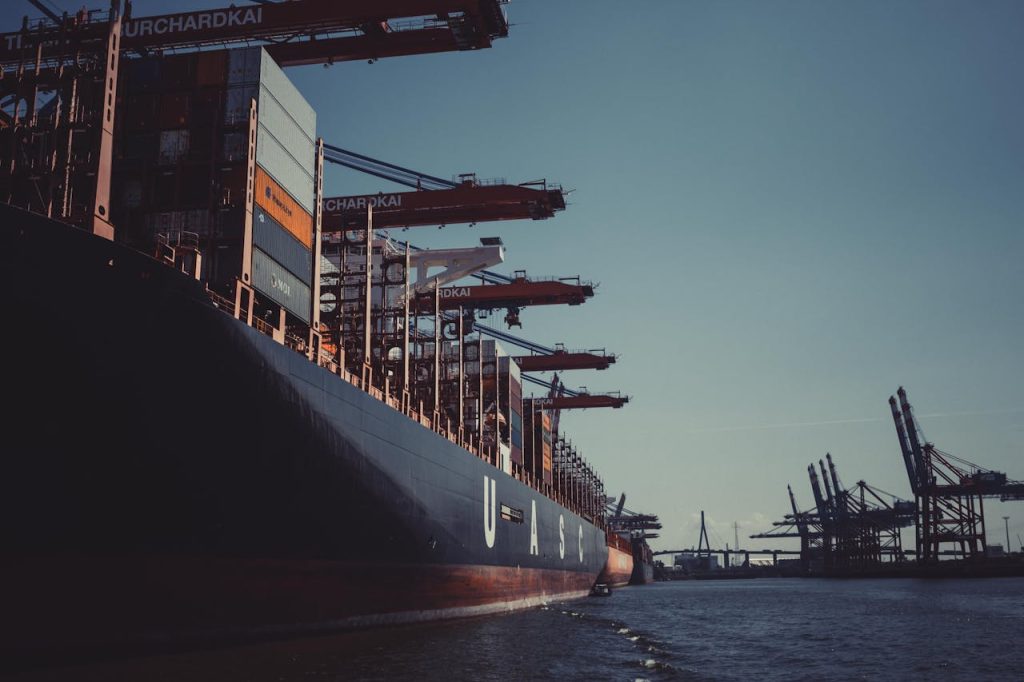
Workers, including longshoremen and seamen, are exposed to perilous conditions like rough waters, heavy equipment, and harmful substances, leading them to work in a vulnerable environment and to various risks. Due to this, sea hazards, injuries, and, in tragic cases, loss of life aren’t uncommon. This calls for a need to understand the causes of such hazards and the legal protections available to workers. Let’s explore this in detail:
One of the biggest causes of serious injuries or even deaths on ships is falling. That could include falling from a height onto the deck or falling overboard into the sea, both of which are incredibly dangerous.
Another common risk, especially around ports, platforms, and onboard ships, is getting hit by heavy equipment or cargo. These kinds of accidents can cause serious injuries like broken bones, head trauma, or worse. If you’ve experienced such injury, you should contact Brais Law today to understand your legal rights regarding injury claims, as maritime laws differ from standard injury laws.
You may consider that these accidents occur due to extreme emergencies, but they’re a common occurrence and happen during everyday, routine tasks. Some of the factors that cause such mishaps are:
Man overboard is an emergency resulting in a person falling off the ship in case of harsh weather or rough sea conditions. This can have consequences like hypothermia, which is experienced in cold water, or worse, loss of life due to drowning. The Centers for Disease Control and Prevention (CDC) found that between 2000 and 2016, over 200 commercial fishermen died after accidentally falling overboard.
Slips and falls on a ship are even more common than overboarding. They often occur because of issues, like poor flooring conditions, lack of grip, or crew members working while exhausted, and can lead to broken bones, head injuries, or even traumatic brain injuries. Sleep deprivation is a big part of the problem. Long hours and harsh sea conditions wear people down fast, causing impaired motor control and leading to an increasing number of falls.
Inadequate maintenance due to tight schedules results in accidents that can harm the equipment and the crew. Shipping companies are driven by policies that desire profitability and fast delivery over the safety of workers. They prefer spending the minimum time on ship maintenance, causing vessels to leave the port with several unresolved mechanical issues, resulting in accidents and injuries. This lack of accountability leaves crew members being pushed to their limits and dealing with the consequences.
Maritime law provides legal rights and a right to compensation for workers in case of an injury. The key legal acts are:
It is officially known as the Merchant Marine Act of 1920. The act offers protection to seamen who fall ill or incur injury while performing their duties on a vessel. This act allows seamen working on a vessel to sue their employers if they suffered an injury due to their employer’s negligence. This could mean that they didn’t maintain safe working conditions, made you use unsafe equipment, or failed to give you proper training. It gives injured seamen the right to recover their medical expenses, lost wages, and the pain and emotional suffering they suffered due to the injury.
2. Longshore and Harbor Workers’ Compensation Act (LHWCA)
Where the Jones Act provides rights to seamen, LHWCA is a federal act protecting people who are not entirely seamen and have a job that is more land-based but still tied to maritime work. It covers people like dockworkers, shipbuilders, or cargo handlers. This law is responsible for helping injured workers pay for medical treatment, lost wages, rehabilitation, and in some cases, long-term disability. LHWCA provides legal rights to people not eligible for protection under the Jones Act.
Maritime work is physically demanding, and even slight negligence can put the lives of various seamen at stake. Workers, whether they’re working on land or at sea, both have the right to work in safe environments. Companies have legal and moral responsibilities towards their employees in providing safe working conditions, proper equipment, and proper legal compensation in case of any negligence.













