Understand Your Rights. Solve Your Legal Problems


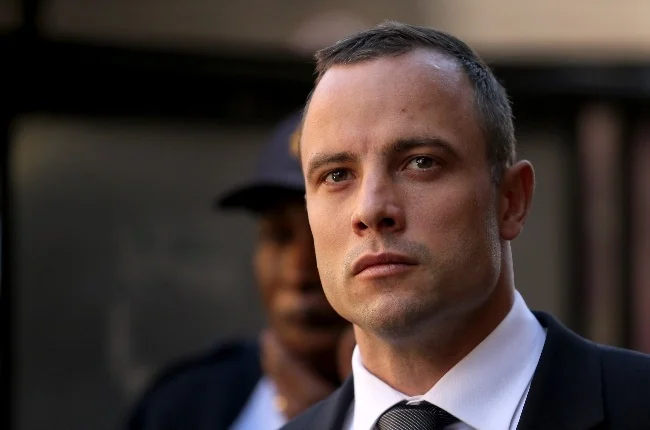
On February 14, 2013, Olympic sprinter Oscar Pistorius, then 26, shot and killed his girlfriend, Reeva Steenkamp, then 29, at his home in Pretoria.
The double-amputee athlete, once celebrated as the “Blade Runner,” was instantly transformed from global icon to murder suspect, triggering a high-profile trial that gripped South Africa and the world.
Pistorius claimed it was all a terrible mistake. He said he thought there was an intruder in the bathroom. Feeling vulnerable without his prosthetic legs, he grabbed his gun and fired four times through the locked toilet door.
When he realized Reeva wasn’t in bed, he panicked, smashed the door open with a cricket bat, and found her bleeding inside. She died in his arms.
But the prosecution saw it differently. They said this wasn’t panic—it was rage. Steenkamp’s phone was found in the bathroom. Her final texts to Pistorius spoke of fear, control, and volatility: “I’m scared of you sometimes and how you snap at me.”

Reeva Steenkamp was 29 when she was shot and killed by Pistorius on Valentine’s Day 2013.
The timing of their last meal, revealed in her autopsy, contradicted his story. Rather than a tragic misunderstanding, prosecutors argued this was a fatal fight turned deadly.
The crime scene should have spoken clearly—but instead, it whispered in contradictions. The lead detective, Hilton Botha, admitted to bungling the investigation: missing a bullet, contaminating the scene, and later being removed from the case entirely. These missteps gave the defense ample room to argue doubt.
The four hollow-point bullets Pistorius fired were fired in quick succession—or were they? That was hotly debated. Forensics expert Captain Christiaan Mangena said the shots weren’t all fired at once, implying Steenkamp may have screamed before one hit her. But the defense said the shots came too fast for that.

The bathroom door Pistorius shot through, shown as evidence during trial.
Then came the autopsy: head, hip, hand, and elbow wounds. Steenkamp would’ve lost consciousness quickly. But what raised flags was the undigested food in her stomach. Pistorius had claimed they were asleep by 10 p.m.—the food said otherwise. Were they awake and arguing just minutes before she died?
Another point of contention: Was Pistorius wearing his prosthetics? He said no, emphasizing how helpless he felt.
Initially, prosecutors challenged this but later conceded he was likely on his stumps. The image of a vulnerable man gripped the courtroom—but so did the image of a volatile one.
To understand what happened that night, many turned to who Oscar Pistorius really was beneath the fame. Born with a congenital defect, he had both legs amputated as a baby. His childhood was steeped in trauma—his mother was described as a “paranoid alcoholic” who slept with a gun and instilled fear in her children. She died when he was 15.
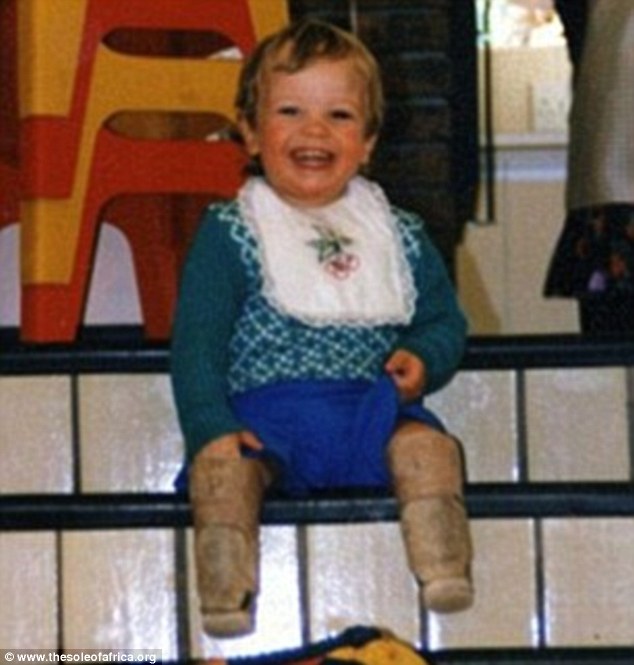
Pistorius lost both legs as a baby and rose to global fame as a Paralympian.
A defense psychiatrist diagnosed him with generalized anxiety disorder. That, they argued, explained his “fight-mode” reaction to the noise in the bathroom.
But court-appointed experts saw it differently. He was not mentally ill, they said. He understood what he was doing.
Meanwhile, Steenkamp’s text messages told a painful story of emotional turmoil. She feared his temper. An ex-girlfriend testified about his outbursts, his obsession with guns, and his controlling nature. He once fired a gun out of a car’s sunroof. He was, she said, “angry and possessive.”
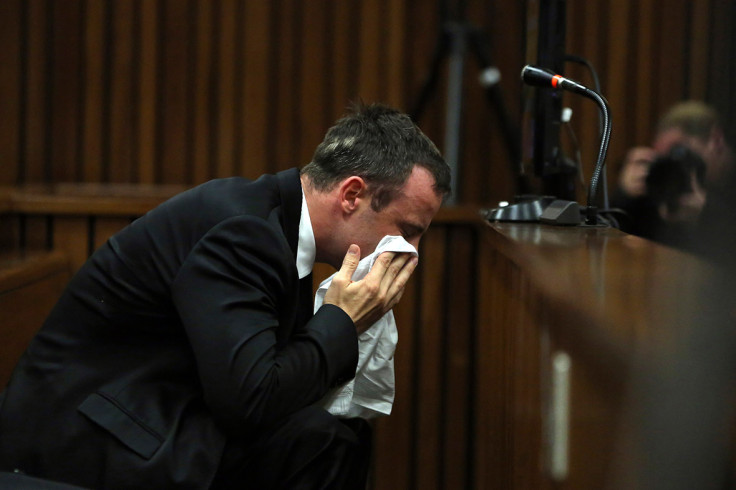
In court, Pistorius was visibly broken—crying, retching, sometimes unable to speak. Some saw it as trauma; others called it theatrical. Whatever the truth, it was clear: this was a man torn between deep-seated fear and dangerous aggression.
The trial began in 2014 and riveted the world. South Africa doesn’t use juries—Judge Thokozile Masipa and two assessors made the call. At first, they convicted Pistorius of culpable homicide, South Africa’s version of manslaughter. He was sentenced to five years.
Judge Masipa initially convicted Pistorius of culpable homicide in 2014
But the public reaction was furious. The idea that Pistorius could serve just 10 months in prison for killing a woman sparked national outrage. The state appealed, and in December 2015, the Supreme Court of Appeal overturned the ruling. They found him guilty of murder using dolus eventualis—meaning he knew someone might die and pulled the trigger anyway.
His final sentence: 13 years and 5 months. After serving 8.5 years in prison and seven months of house arrest, Pistorius was released on parole on January 5, 2024. He will remain under supervision until 2029.
The case left a deep scar on South African society. It forced the nation to confront uncomfortable truths: the glamorization of male athletes, the rampant violence against women, and a justice system often out of sync with public conscience.
In her tragic death, Reeva Steenkamp transcended her roles as model and girlfriend, becoming a poignant, silenced voice in the urgent conversation around domestic abuse.
What was Oscar Pistorius convicted of?
Oscar Pistorius was convicted of murder in 2015 after an appeals court overturned his original culpable homicide verdict. He was found guilty under dolus eventualis, meaning he foresaw death as a possible result of his actions.
How long did Oscar Pistorius serve in prison?
Pistorius served about 8.5 years in prison and an additional seven months under house arrest. He was released on parole in January 2024 and remains under supervision until 2029.
Why did Oscar Pistorius shoot Reeva Steenkamp?
Pistorius claimed he mistook Steenkamp for an intruder. However, forensic evidence and her text messages pointed to a volatile relationship and supported the prosecution’s claim of intentional killing.
What is dolus eventualis in law?
Dolus eventualis is a legal doctrine meaning the perpetrator foresees the possibility of death from their actions and proceeds anyway. It played a key role in upgrading Pistorius’s charge from manslaughter to murder.
What impact did the Pistorius case have on South Africa?
The case sparked national debate about gender-based violence, celebrity justice, and flaws in the legal system. It also led to reforms in how the courts deal with high-profile cases and femicide.