


FDA Approves Gardenia Blue Dye as Natural Alternative to Synthetic Colors.
The U.S. Food and Drug Administration (FDA) officially announced the approval of a natural blue dye made from the gardenia fruit, as confirmed by U.S. Health and Human Services Secretary Kennedy via the official statement. This approval signals a big shift towards healthier, plant-based ingredients in everyday products.
With its latest approval of a natural blue dye from gardenia fruit, the @US_FDA is driving the move away from petroleum-based synthetic dyes toward safer, natural alternatives—marking the fourth such approval since early May. Thank you for your leadership, @DrMakaryFDA. pic.twitter.com/zymwjxl9cJ
— Secretary Kennedy (@SecKennedy) July 15, 2025
What Exactly Is Gardenia Blue Dye?
Gardenia blue isn’t just a new trend, it’s a natural colorant made from the fruit of the Gardenia jasminoides, better known as Cape Jasmine. While this plant’s been part of East Asian cooking and traditional remedies for generations, its rich blue pigment is now stepping into the global spotlight as a natural alternative to synthetic dyes.
Why the FDA Finally Said Yes
Why now? The answer lies in growing demand from consumers who want simpler, cleaner labels on their food. After thorough safety testing, the FDA gave its stamp of approval, confirming that gardenia blue is safe for use in foods, drinks, and even some cosmetics. (Source: FDA)
Is It Healthier Than Artificial Dyes?
Absolutely. Unlike petroleum-based dyes like Brilliant Blue (Blue 1) or Indigo Carmine (Blue 2), gardenia blue is extracted straight from plants.
This natural source means no synthetic chemicals, no unnecessary additives, and no links to concerns like hyperactivity in children, issues sometimes associated with artificial dyes. It’s a plant-powered alternative for anyone wanting more natural choices.
Where You’ll See Gardenia Blue Next
Keep an eye out, this plant-based blue is likely to start appearing in:
- Sweets and candies
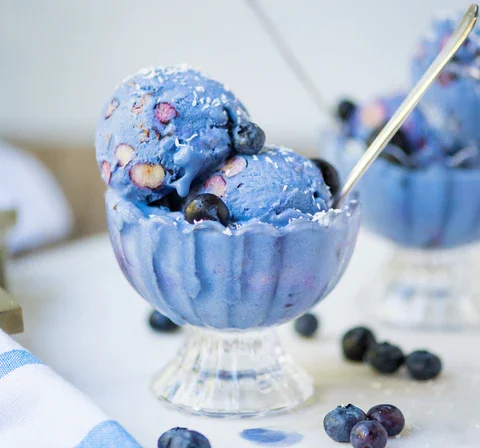
- Ice creams and dairy treats
- Brightly colored drinks like sports beverages
- Baked goods
- Health supplements
And it’s not stopping at food. Gardenia blue could soon show up in skin-friendly products like bath bombs and soaps.
Why This Matters to You
- Simpler Labels: Instead of mystery dye numbers, products can now list a clear, natural ingredient.
- Allergy-Friendly: Unlike some natural alternatives, gardenia blue doesn’t typically trigger allergies.
- Eco-Conscious Choice: Plant-based dyes are generally kinder to the planet than synthetic, petroleum-derived colorants.
How It Compares to Other Natural Dyes
Other natural blues, like spirulina extract or butterfly pea flower, do exist. But gardenia blue has one big advantage: it’s much more stable in acidic environments. That makes it perfect for fizzy drinks, fruity candies, and other products where consistent color matters.
What Food Brands Are Saying
Industry insiders are excited. Food and beverage companies aiming for cleaner, greener products are already exploring ways to swap out synthetic blues for this vibrant, plant-based option. Expect early adopters to include health-focused and sustainability-driven brands.
Gardenia blue might just be the start. With this FDA approval opening doors, scientists are working on other plant-derived colors that could eventually replace artificial reds, yellows, and greens too.
The FDA’s approval of gardenia blue dye marks the beginning of a new chapter for food coloring. Natural, safer, and more environmentally friendly options are now within reach for both brands and consumers. And that’s something worth celebrating next time you grab a bright-blue treat.
People Also Ask
Is gardenia blue dye safe to eat? Yes, it’s been thoroughly tested and approved by the FDA as safe for use in food and beverages.
Where will I see gardenia blue dye used? In everything from candies and ice creams to soft drinks, baked goods, and cosmetics.
Is gardenia blue considered a natural dye? It is gardenia blue comes directly from the fruit of the Gardenia jasminoides plant.
Will gardenia blue replace synthetic Blue 1 dye? It’s a strong natural alternative, though some products may stick with synthetic dyes for now.
Why are natural dyes becoming popular? Because people increasingly want foods without synthetic additives, and natural dyes offer a cleaner, more transparent option.
More Articles from Lawyer Monthly
-
Jackson Walker’s G. Scott Fiddler Joins Texas Legal Specialization Board
-
Unpacking the US Administration’s New Stance on Immigrant Detention














