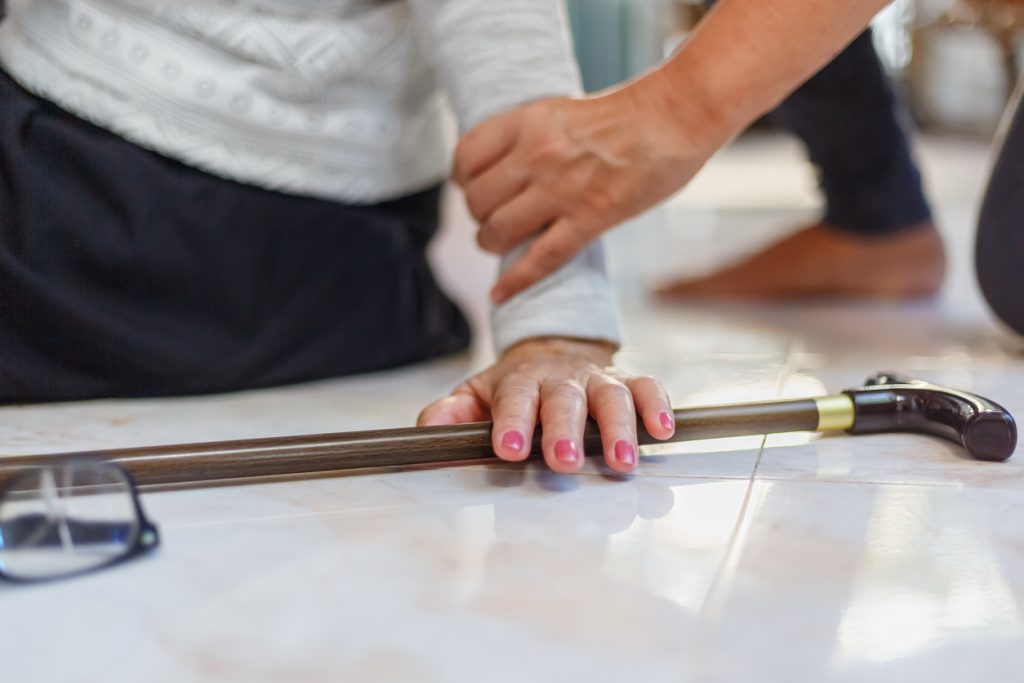
Your grandfather doesn’t say much anymore—Alzheimer’s has taken its toll. But during your last visit to the nursing home, you notice fresh bruises on his legs and a distant look in his eyes. What happened? Upon asking the staff, you get vague, unsettling answers. So was this an accident, or someone not doing their job?
“While it's true that seniors are susceptible to falls due to their age and health conditions, such accidents can happen because of negligence on the part of the staff,” says attorney Michael Duffy of Duffy & Duffy, PLLC. This blog will take you through your legal options in the wake of a nursing home fall. But first, why are such accidents so common?
Why Are Seniors Prone to Falls?
Imagine eight football stadiums full to the brim with seniors. That's roughly how many people fall in nursing homes every year, according to data from the Agency for Healthcare Research and Quality (AHRQ). Even worse is the fact that many of these residents end up falling again because the causes weren’t addressed after the first incident. So why does this happen?
- Physical changes due to aging: Many seniors experience sarcopenia without realizing it. Muscles gradually weaken, coordination falters, and balance becomes harder to maintain without any symptoms. That’s why a fall that might result in a bruise for a younger person could lead to a broken hip or wrist for an older adult.
- Chronic health conditions: When we think of a fall, we generally assume it's caused by tripping over an object or slipping on a wet floor. But for many seniors, the danger is within their bodies. Conditions like Parkinson’s disease, Alzheimer’s, and dementia affect coordination, reflexes, and balance, making everyday movements unpredictable.
- Medication side effects: Pills meant to regulate blood pressure, ease pain, or improve sleep can also cause dizziness, drowsiness, and impaired balance, making falls more likely among seniors.
- Impaired vision and hearing: The world becomes dimmer and quieter with age, both literally and figuratively. This makes everyday activities like walking down a hallway or stepping onto a curb unpredictable challenges that increase the risk of a fall.
It has become readily apparent, up to this juncture, that the confluence of aging and various health conditions significantly increases the probability of falls amongst the senior population. But in many cases, nursing homes fail to take the necessary precautions to prevent them. When warning signs are ignored and falls happen repeatedly, the responsibility shifts from aging bodies to the facility meant to protect them.
When Is a Nursing Home Liable for a Fall?
So when is the nursing home to blame?
- When residents are left unsupervised: If a child was left unattended near a pool and fell in, no one would call it an accident—they’d call it negligence. The same applies to seniors. A senior with a history of falls should never be left alone in a situation where they might fall again. If this happens, the question becomes, “Where was the staff?”
- Failure to follow care plans: A resident’s care plan is designed to ensure their safety, covering everything from their medication schedule to mobility assistance. When nursing home staff fail to follow the care plan, they set that resident up for harm.
- Poor staff training and understaffing: No resident should fall because the person caring for them did not know how to assist them properly. This is a stark reality in understaffed nursing homes and those that fail to train workers adequately.
- Unsafe environments: If you walked through your loved one’s nursing home and saw loose wires, poorly lit hallways, and slippery bathroom floors, would you feel confident in their safety? If a facility isn’t proactively maintaining a safe environment, it puts residents in harm’s way.
Conclusion
If you notice signs of abuse or neglect in a nursing home, start by documenting everything. And if your loved one can communicate, ask them open-ended questions about their experience. You should also speak to the staff, asking them direct questions about unexplained injuries. If you believe the fall is a result of neglect or abuse by the nursing home staff, you should contact New York’s Long-Term Care Ombudsman. A nursing home abuse lawyer can also give you options for legal action against the facility.