Understand Your Rights. Solve Your Legal Problems

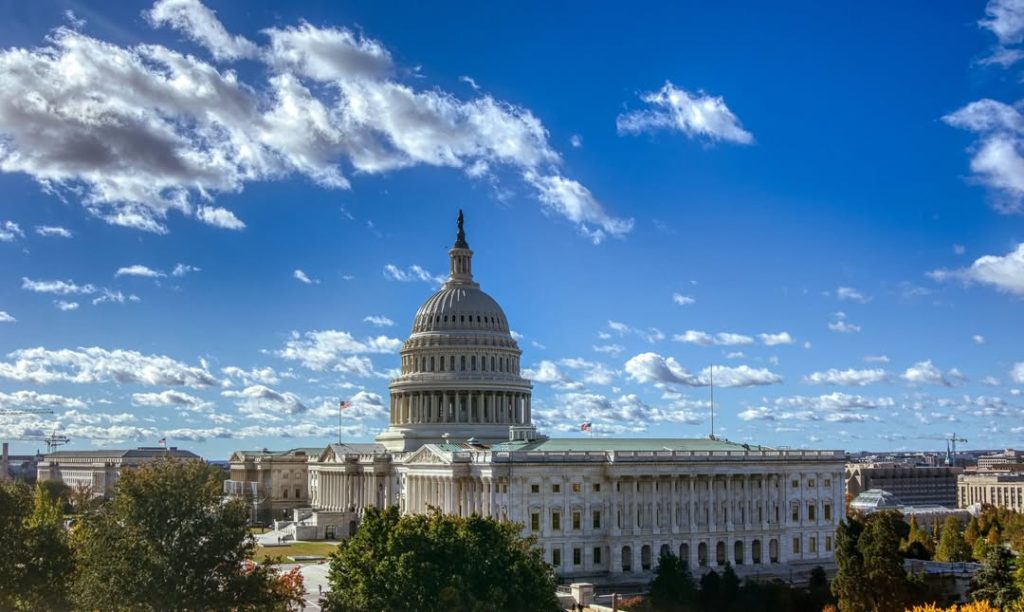
How Power Is Checked When the Stakes Are Highest
When a president declares a national emergency, it can feel like the government suddenly shifts into a different gear — fast-moving, far-reaching, and often difficult for the public to fully see. Many people assume those powers keep running unless the White House decides otherwise. But the American system was never designed to hand sweeping authority to any single branch without a meaningful check.
In fact, Congress has a structured, legally defined way to question, review, and even vote to end a national emergency. The process isn’t flashy and rarely dominates headlines, but it reflects a deeper truth about how the Constitution expects power to behave during extraordinary moments: nothing runs on trust alone.
A past example helps illustrate this. Years ago, the House used a brief procedural resolution to guide debate over whether an emergency should continue. It wasn’t the sort of thing that lights up cable news, but it showed how Congress can set the ground rules, take up a termination measure, and force a public conversation about the limits of presidential power. And that quiet process tells us something essential about the balance built into U.S. law.
Emergency powers in the United States don’t come from thin air. They come from statutes — around 120 of them — that Congress has enacted over decades. The National Emergencies Act (NEA), found at 50 U.S.C. §§ 1601–1651, is the governing framework that ties all of these authorities together.
The NEA recognizes that emergencies sometimes require swift action. But it also embeds an assumption: extraordinary authority should never become permanent or unexamined. So Congress reserved the right to step back in and ask a simple but powerful question:
Does this emergency still make sense?
This check isn’t symbolic. It reflects the reasoning that underpins the entire statute:
presidents may act quickly,
but Congress must be able to reassess gradually,
especially once the urgency fades and long-term consequences become clearer.
The Congressional Research Service (CRS), in multiple nonpartisan reports, has consistently emphasized that congressional review is a core safeguard intended to prevent emergency authority from becoming a substitute for regular lawmaking. That context matters because it explains why review procedures exist at all.
The first step is surprisingly straightforward: a member of Congress introduces a joint resolution asking whether the emergency should remain in place. This is the formal mechanism the NEA provides.
Because the resolution has the force of law, it must pass both the House and Senate. If it reaches the president’s desk, the president can sign it or veto it. Congress can override the veto with a two-thirds vote in each chamber, but that threshold is rarely met.
This tug-of-war isn’t a flaw; it’s the design. The system forces both branches to defend their interpretations of necessity, legality, and proportionality.
Before the House can debate the resolution, it typically adopts a short procedural measure laying out how the discussion will unfold. In the past, these rules have included time limits, equal debate opportunities for both parties, and streamlined procedures so lawmakers can vote without procedural gridlock.
Think of these rules as the House deciding, collectively:
If we’re going to debate ending emergency powers, let’s do it carefully but efficiently.
This kind of procedural structure ensures that debates about major national authority remain focused, transparent, and accessible to the public.
The NEA also requires that Congress periodically consider whether any active emergency should continue. Scholars who study administrative law, including experts cited in Government Accountability Office (GAO) analyses, often note that this built-in review reflects a philosophy of “trust, but verify” when it comes to executive power.
In practice, Congress does not always hold these sessions as rigorously as the statute imagined. But the authority exists — and it remains one of the clearest demonstrations that emergency power is never meant to drift forward untouched.
Federal courts play a more limited role than many expect. Judges typically defer to the political branches, especially when national security, foreign affairs, or classified information are involved. Legal challenges usually succeed only when a specific statutory limit is clearly violated or when individual constitutional rights are harmed.
The Supreme Court itself has long recognized what it calls the “political question” doctrine — the idea that some disputes, particularly those involving national emergencies, are more appropriate for elected officials than for courts. That’s why congressional action is often the most realistic path for revisiting an emergency declaration.
Even if you’ve never tracked an emergency declaration, you’ve likely felt the effects of past ones. Emergencies can impact public health regulations, financial restrictions, border operations, telecommunications policy, military construction, and more. Some allow the government to redirect funding; others authorize sanctions or asset freezes.
But the public rarely sees how these powers are reviewed — or whether they’re reviewed at all.
Congress’s oversight process protects the idea that emergency authority must be:
temporary,
justified,
proportionate, and
subject to democratic input.
It prevents extraordinary powers from becoming the quiet background noise of government.
A few years ago, Congress attempted to end a presidential border emergency through a joint resolution. Both chambers approved it. The president vetoed it. Congress didn’t have the votes to override, so the emergency continued.
Even though the effort failed, it demonstrated something important: the legislative branch retains real power, and it can force public accountability even when the executive branch resists.
Legal scholars often point to this moment as a modern example of Congress exercising its supervisory role exactly as the NEA envisioned.
You don’t need to be a constitutional lawyer to understand why this balance matters. Emergencies can reshape policy overnight, and they often expand executive authority in ways the public doesn’t immediately see.
Congress’s ability to question and revisit these declarations protects democratic stability. It ensures that no president — regardless of party — can rely indefinitely on emergency authority to bypass normal legislative processes.
The principle is simple, but vital:
In the United States, extraordinary power must remain exceptional.
Yes. Congress can pass a joint resolution terminating an emergency under the National Emergencies Act. The president can veto it, and Congress may override the veto with a two-thirds vote. While this is difficult, the mechanism firmly exists in law.
A presidential veto keeps the emergency in place unless Congress overrides it. Courts generally step in only when a declaration violates specific statutes or infringes on constitutional rights.
Not by themselves. The impact depends entirely on which statutory authorities the president activates. Some affect financial transactions or federal contracting; others relate to defense, foreign policy, or transportation.
The Federal Register maintains an updated list of active national emergencies and the statutory powers tied to each. It’s an official, public record accessible to anyone.
Several factors get in the way: political incentives, divided government, competing legislative priorities, and the sheer complexity of emergency-related powers. Oversight requires deliberate action, which doesn’t always rise to the top of the congressional agenda.