Understand Your Rights. Solve Your Legal Problems


The 2025 Liverpool FC Premier League victory parade—meant to be a day of pure celebration—was thrown into chaos on 26 May 2025, when a vehicle ploughed into the packed crowd near The Strand. Seventy-nine people were injured, among them several children, in one of the most serious public-event collisions the city has faced in decades.
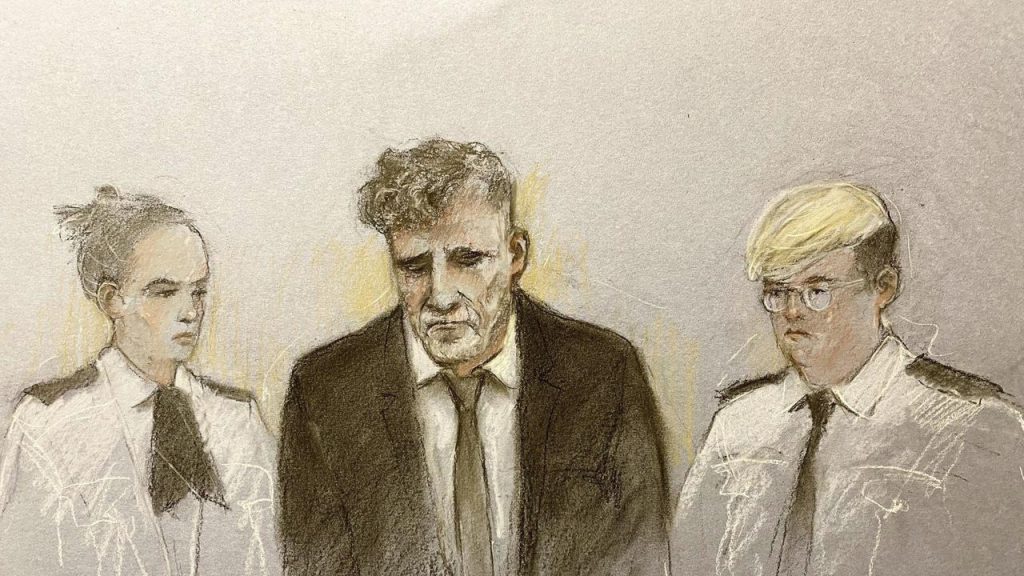
Police have since charged Paul Doyle, a 53-year-old former Royal Marine from West Derby, with multiple offences linked to the crash. As the case develops, it has rapidly become more than a single criminal prosecution—it has opened up a broader national conversation about PTSD among UK veterans, the limits of mental health defences in criminal trials, and the tightening of drug-impaired driving laws following rising roadside drug-test failures across England and Wales.
This article breaks down the legal landscape surrounding the case as of 30 May 2025, weaving together the latest court filings, statutory changes, mental health policy debates, and the human consequences felt across Merseyside. It also examines the responsibilities placed on event organisers, whether current safeguarding measures are adequate, and how the courts will navigate complex questions around intent, impairment, and accountability.
👉 Why did Paul Doyle drive his Ford Galaxy into Liverpool’s title-parade crowd on 26 May 2025? For six months, that question dominated public debate, filling the vacuum left by Doyle’s silence and early not-guilty pleas.
PTSD is recognized under the UK’s Armed Forces Covenant, obliging authorities to support veterans. Doyle’s Royal Marines service (1990–1994) in 43 Commando likely exposed him to chronic stress, even without combat deployment. According to Greenberg et al. (2003), PTSD rates among UK veterans can reach 6%, with increased risk for high-stress roles.
Symptoms include flashbacks, emotional numbness, hypervigilance, and dissociation. NHS Veterans’ Mental Health Services (Op COURAGE) offers vital support. Dr. Claire H., a trauma psychologist, explains: “PTSD doesn’t always look like screaming flashbacks—it can be silent, eroding a person’s ability to cope with stress or crowds.” Early intervention can prevent crises.
Real-life accounts, like that of former Royal Marine Tom S., highlight PTSD’s impact: “I thought I was fine—until I wasn’t. The noise, the pressure—it can break you.”
Reference: Greenberg N, et al. (2003). “The mental health of UK Gulf War veterans.” BMC Psychiatry.
England and Wales law offers the partial defense of diminished responsibility under Homicide Act 1957 (Section 2), updated by Coroners and Justice Act 2009. If a mental condition like PTSD substantially impairs judgment, charges may be reduced from murder to manslaughter. Hospital and supervision orders under Domestic Violence, Crime and Victims Act 2004 (Sections 37, 41) are possible.
Legal expert Laura Whitman notes: “PTSD can impair rational thinking, but courts require rigorous expert evidence. The bar for diminished responsibility is high.” Key cases—R v Golds [2016] UKSC 61, R v Dietschmann [2003] UKHL 10, and R v Byrne [1960] 2 QB 396—illustrate precedent.
Under the Road Traffic Act 1988, amended by Crime and Courts Act 2013, driving under the influence of drugs (Section 4) or exceeding drug limits (Section 5A) is illegal. The Drug Driving (Specified Limits) Regulations 2014 specify thresholds for substances like THC and cocaine.
Latest Home Office data (2024) reports over 14,000 drug-driving arrests in the UK—a rising trend. Penalties include up to 6 months’ imprisonment, unlimited fines, a 1-year driving ban, and a criminal record.
Toxicology in Doyle’s case is pending. If over the limit, a Section 5A charge is probable. R v Hughes [2013] UKSC 56 clarified causation in driving cases.
Paul Doyle’s defense is expected to focus on the argument of diminished responsibility, highlighting the impact of his military service and possible undiagnosed PTSD. Under UK law—specifically the Homicide Act 1957, as amended by the Coroners and Justice Act 2009—a defendant’s culpability can be reduced if an abnormality of mental functioning substantially impairs their ability to understand the nature of their actions, form rational judgments, or exercise self-control. In the case of R v T (1990), the court considered the effects of trauma-induced automatism, where a defendant’s actions were influenced by a dissociative state linked to PTSD.
Similarly, the Supreme Court’s ruling in R v Golds (2016) provided important guidance, clarifying that for diminished responsibility to apply, the impairment must be significant—not just minimal or trivial. Doyle’s defense team is likely to introduce psychiatric evidence supporting a PTSD diagnosis, with arguments focusing on how the condition could have affected his mental state at the time of the crash.
In legal guidance, the Crown Prosecution Service emphasizes that prosecutors must weigh the extent and impact of a defendant’s mental health condition on their actions. If the defense is successful, it could reduce the severity of Doyle’s charges, shifting the emphasis from intent to impaired capacity. This approach aims to strike a balance—recognizing the seriousness of the incident and the harm caused to victims, while also taking into account Doyle’s personal struggles, military background, and mental health challenges.
As Liverpool FC fans celebrated, Doyle’s vehicle reportedly accelerated into the crowd. Prosecutors cite CCTV, witness testimony, and physical evidence supporting charges under Offences Against the Person Act 1861 (Section 18) and Road Traffic Act 1988 (Section 2). Police sources confirm no terrorism link per Terrorism Act 2000.
Eyewitness John B. recalled: “The car came out of nowhere. People screamed, and there was panic everywhere. It was terrifying.” Community members expressed shock, with local councillor Elaine P. stating: “This tragedy has shaken our community. We need answers and justice.”
Doyle’s plea hearing is on August 14, 2025, with trial on November 24, 2025. Key evidence includes CCTV, toxicology, and psychiatric evaluations.
Paul Doyle’s case highlights the interplay of PTSD, drug laws, and legal accountability. Expert insights, community reactions, and real-life stories deepen our understanding. As the trial unfolds, balancing justice for victims with compassion for mental health challenges remains crucial.