What Is VE Day? The Story Behind the Celebration Everyone Forgets
On 8 May 2025, we mark the historic 80th anniversary of VE Day as the citizens, families, and communities of our esteemed nation gather to celebrate eight decades of peace following the conclusion of World War II in Europe, a peace for which countless individuals made the ultimate sacrifice. The 80th anniversary of VE Day serves not only as a homage to those who fought for the freedoms we cherish today but also as a poignant reminder of the resilience and unity that have characterized our nation throughout the years.
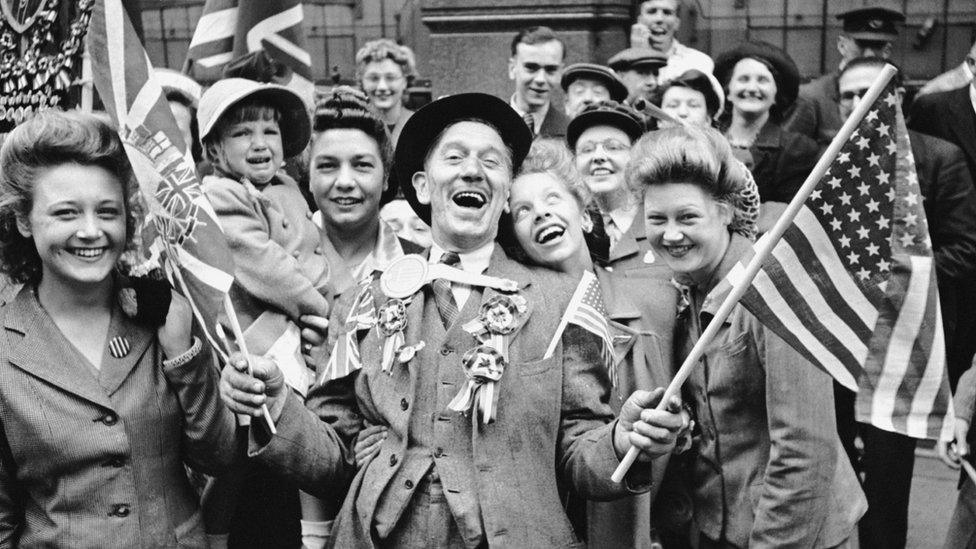
Flags of freedom: Crowds wave the Union Jack and Stars and Stripes in a shared moment of joy on VE Day, celebrating the Allied victory and the hard-won peace that followed years of war.
What Does VE Day Stand For?
VE Day stands for Victory in Europe Day—marking the official end of World War II in Europe.
On May 8, 1945, Nazi Germany formally surrendered to the Allied forces, bringing nearly six years of brutal war across Europe to an end. The announcement triggered an outpouring of celebration across the world, especially in the United Kingdom, the United States, France, and other Allied nations.
While the war would continue in the Pacific for a few more months, VE Day symbolized hope, peace, and victory—and for millions, it meant their loved ones might finally come home.
Despite its massive significance at the time, VE Day doesn’t always get the attention it deserves today. Many people know D-Day, but far fewer understand what VE Day really meant.

The war ends with a signature: On May 7, 1945, General Alfred Jodl signs Nazi Germany’s unconditional surrender in Reims, France, flanked by Colonel Wilhelm Oxenius (left) and Admiral Hans-Georg von Friedeburg (right). Just a week earlier, Adolf Hitler had died by suicide in his Berlin bunker, leaving Admiral Karl Dönitz to lead the collapsing regime and authorize the surrender. Within hours, the world began to celebrate the end of the war in Europe.
What Happened on VE Day?
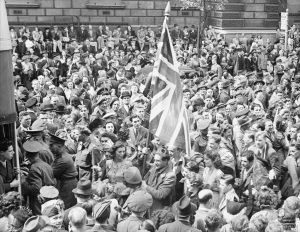
On May 8, 1945, people all across the United Kingdom commemorated Victory in Europe Day (VE Day) following the announcement of the Nazis' unconditional surrender. At 3 PM, Prime Minister Winston Churchill announced this momentous news to the nation via radio, prompting large crowds to assemble in the streets in celebration.
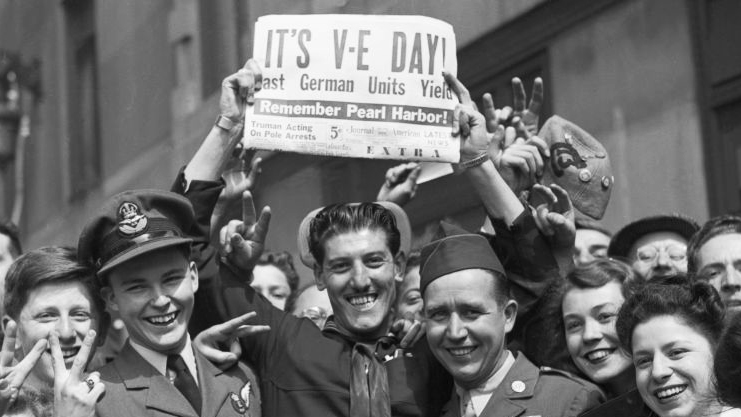
When word got out that the war in Europe was finally over, people didn’t wait—they just ran outside. In London, Paris, New York, the streets filled up fast. Strangers hugged, people danced, some cried and didn’t even know why. There were flags and street parties everywhere. In London, Churchill spoke, steady as ever, and later that night King George VI addressed the nation. But it was the people who said it best—with cheers, tears, and just this huge wave of relief. The war had taken so much. But for that one day, the world let itself breathe.
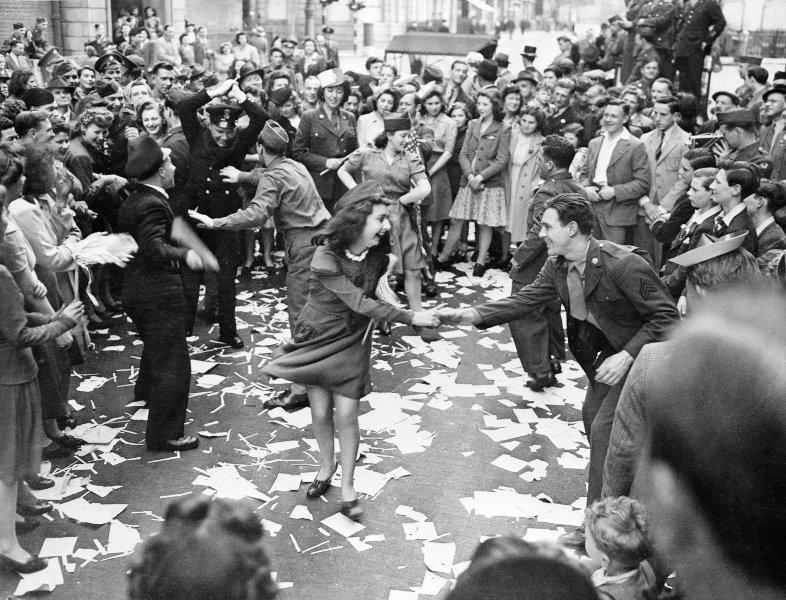
Dancing in the streets: Strangers twirled, laughed, and embraced as joy spilled across Britain’s cities on VE Day—celebrating peace after six long years of war.
Why Is VE Day Important?
Because for so many people, it meant the nightmare was finally over. The news of Germany’s surrender was not surprising. It had been anticipated for some time and people across Britain were on standby to start celebrating the end of the war.
After years of fear, loss, and waiting for loved ones who might never come home, VE Day was the day people could finally exhale. No more blackouts, no more bombings, no more wondering if the next knock on the door was bad news.
It wasn’t just about beating the enemy—it was about what the world had to fight through to get there. The day stood for hope, for survival, and for the people who never made it back. It’s important because it reminds us how fragile peace really is—and how hard it was to earn.
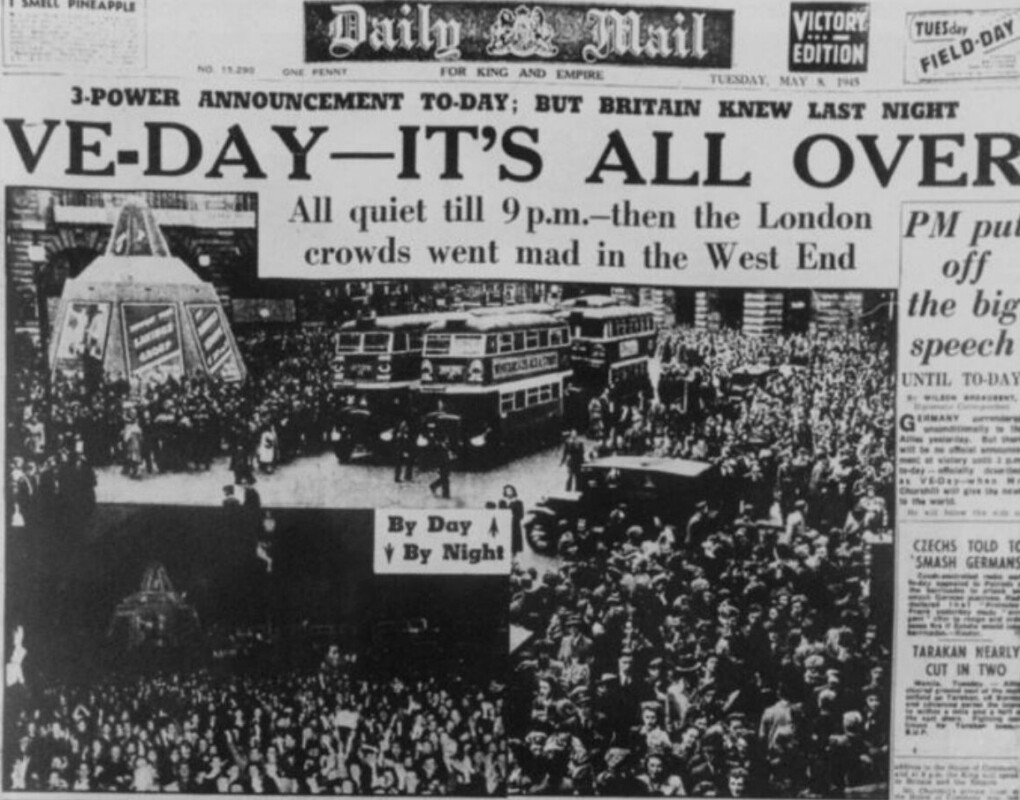
Victory at last: Jubilant Britons celebrate in the streets as the Daily Mail declares 'It’s All Over' on May 8, 1945—marking the end of six long years of war in Europe.
How Is VE Day Remembered Today?
VE Day comes and goes quietly for most people. In places like the UK and parts of Europe, there are still small ceremonies—maybe a wreath laid at a local memorial, a moment of silence, or a few old veterans gathered to pay their respects. It’s not loud. It’s not big. But it means something.
Back in 2020, when the 75th anniversary came around, there was this brief moment where the world paused—people shared old family photos, lit candles, and told the stories their grandparents used to tell. But since then? It’s easy for it to slip by unnoticed.
It’s not about pageantry—it’s about remembering what was sacrificed, and holding on to that thread of gratitude before it fades too far from view.
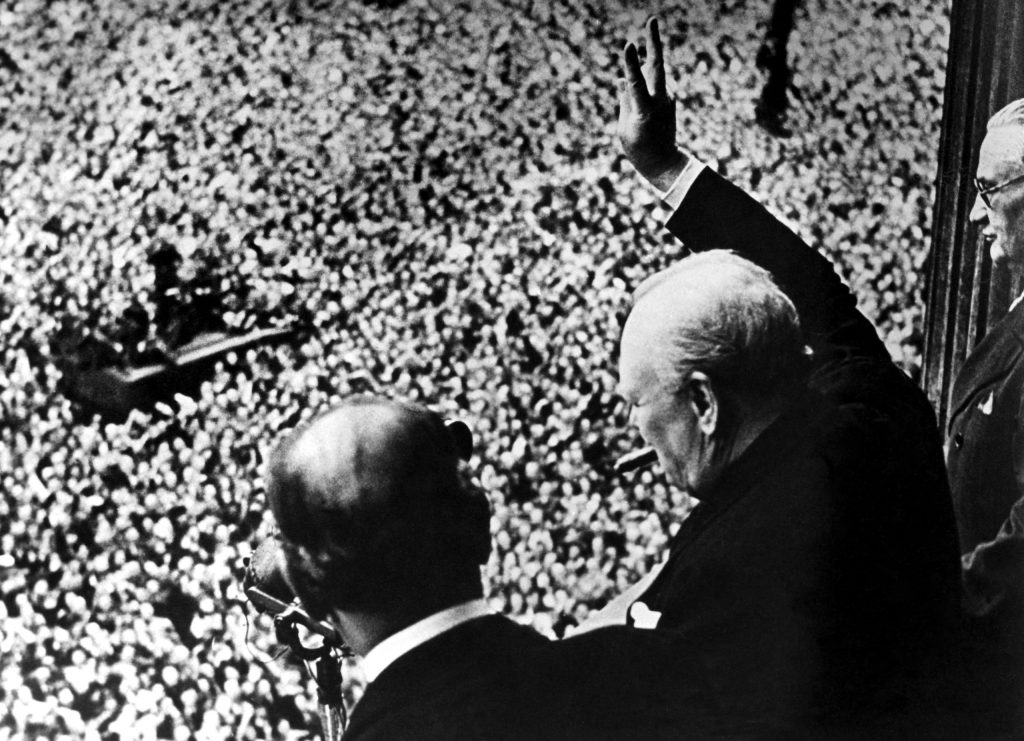
A nation’s hero: Winston Churchill waves to cheering crowds from the balcony of the Ministry of Health on VE Day, as Britain celebrates victory and the end of war in Europe.
Why Do So Many People Forget VE Day?
Probably because life just moves on.
The people who lived through it—the ones who celebrated in the streets have aged and today many of them are gone. And as they go, so do the stories. If it’s not talked about at home, or taught in school, it just slips away.
Other days get more attention now. We’ve got Memorial Day, Veterans Day, and even D-Day tends to gain more attention.
But just because people forget, it doesn’t mean it stopped mattering. The end of the war marked the end of something massive. For a lot of people, it was the first day they felt safe again. That kind of moment deserves to be remembered—even if it's just in small ways.
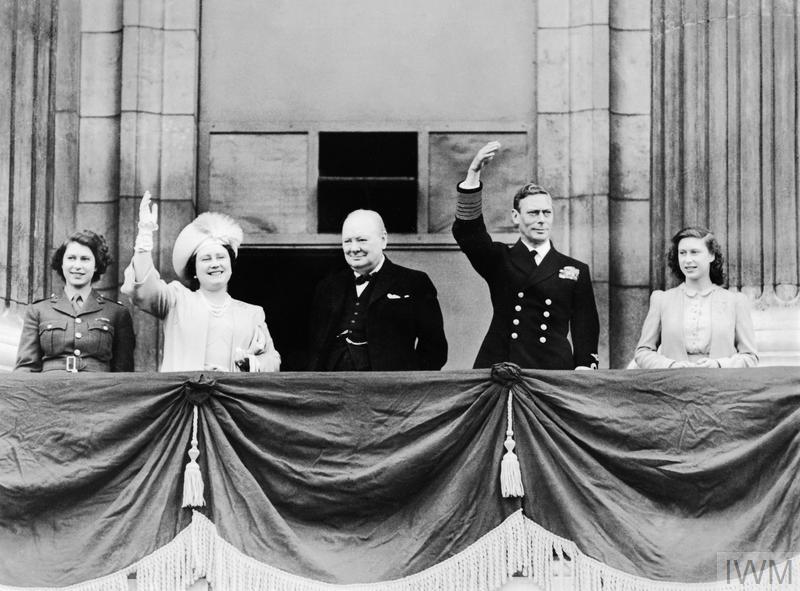
A moment in history: Prime Minister Winston Churchill joins King George VI, Queen Elizabeth and Princess Margaret on the Buckingham Palace balcony as jubilant crowds cheer the end of war in Europe. Princess Elizabeth, then just 19, slipped out later that night to celebrate anonymously among the people.
🧠 People Also Ask
What happened on VE Day?
On May 8, 1945, Germany officially surrendered to the Allied forces, ending World War II in Europe. People across the UK, U.S., and Europe flooded the streets to celebrate peace, while leaders like Winston Churchill and King George VI addressed the public.
Will VE Day 2025 be a bank holiday?
As of now, VE Day 2025 is not expected to be an additional bank holiday in the UK. It typically falls on May 8, but unless it aligns with an existing holiday or a special anniversary, it remains a regular weekday.
What is VE Day in the UK?
In the UK, VE Day—Victory in Europe Day—marks the end of WWII in Europe. It’s a day to remember both the joy of peace and the cost of war. Commemorations may include memorial services, flag displays, and veterans’ events.
What happened on May 9th, 1945?
In some countries, especially in the former Soviet Union, Victory Day is celebrated on May 9th due to time zone differences. It marks the same surrender of Nazi Germany, just observed a day later in places like Russia.
What’s the difference between VE Day and VJ Day?
VE Day (May 8) marks the end of the war in Europe.
VJ Day (Victory over Japan Day) marks the end of WWII entirely. Japan surrendered in August 1945, bringing the full conflict to a close.
Why is VE Day significant?
VE Day represents the defeat of Nazi Germany and the end of a brutal, years-long war in Europe. It’s a powerful symbol of freedom, sacrifice, and unity among the Allied nations.
When did VE Day start?
The first VE Day was celebrated on May 8, 1945, the day Germany's surrender was officially recognized by the Allies.
What happened on VE Day in 1945?
There were massive celebrations—street parties, church bells ringing, people dancing in the streets. But there was also mourning. Millions had died, and the war in the Pacific wasn’t over yet.
What are some facts about VE Day?
-
Germany surrendered on May 7, 1945; the news was announced May 8
-
Over 1 million people celebrated in London alone
-
Churchill gave a famous radio speech that day
-
The war in Asia continued until August 1945
What was the VE Day 75th anniversary like?
In 2020, the 75th anniversary of VE Day was marked with nationwide tributes in the UK and around the world—many virtual due to COVID-19. People shared family stories, lit candles, and held socially distanced ceremonies.
How will VE Day be celebrated in 2025?
While not a major anniversary year, VE Day 2025 may still be observed with local events, veterans' services, and school activities—especially in countries like the UK and France. Larger commemorations may be planned locally depending on community interest.