Understand Your Rights. Solve Your Legal Problems

winecapanimated1250x200 optimize
VIDEO

Fact-Checking Gone Girls: The Long Island Serial Killer – How Close Did Netflix Get to the Truth?

Reading Time:
8
 minutes
Posted: 5th April 2025
Sam Fielding
Last updated 29th August 2025
Share this article
In this Article

Fact-Checking Gone Girls: The Long Island Serial Killer – How Close Did Netflix Get to the Truth?

Updated: 7th July 2025 Sam Fielding

Netflix’s latest true-crime docuseries, Gone Girls: The Long Island Serial Killer, pulled back the curtain on one of New York’s most haunting and elusive mysteries: the Gilgo Beach murders. As millions of us tuned in, drawn into the chilling narrative, a fundamental question echoed: How much of what we saw was truly rooted in fact, and where did the storytelling take its creative flight?

This updated analysis dives deep into the series' accuracy, meticulously comparing its portrayal of events against the cold, hard facts of the Long Island Serial Killer case. Come with us as we uncover what the show got right, and where the real-life story might be even more complex.

The Vanishing That Sparked It All: Shannan Gilbert

The Gilgo Beach investigation didn't begin with a grand plan, but with a desperate plea. It started with the perplexing disappearance of 23-year-old Shannan Gilbert on May 1, 2010. A young woman from Jersey City, Shannan vanished into the night in Oak Beach, New York, after making a frantic 911 call, whispering that someone was chasing her. That terrifying cry for help inadvertently triggered a massive search, which, to everyone's horror, uncovered a far more sinister truth than anyone could have ever imagined.

  • Did the show capture this moment authentically? Absolutely. Gilbert’s disappearance was, without a doubt, the tragic spark that ignited this sprawling, decade-long case. While her own death was later ruled unrelated to the serial killer by authorities, the intense search for her led directly to a series of grim discoveries – human remains hidden within the dense brush along Ocean Parkway. This accidental revelation irrevocably shifted the investigation's focus and catapulted a local mystery onto the national stage.

The Heart-Wrenching Discovery of the “Gilgo Four”

In December 2010, during the relentless search for Shannan Gilbert, police stumbled upon something unspeakably horrifying: the skeletal remains of four young women near Gilgo Beach. These victims—Maureen Brainard-Barnes, Melissa Barthelemy, Megan Waterman, and Amber Costello—were all sex workers who had vanished between 2007 and 2010, leaving behind families consumed by worry.
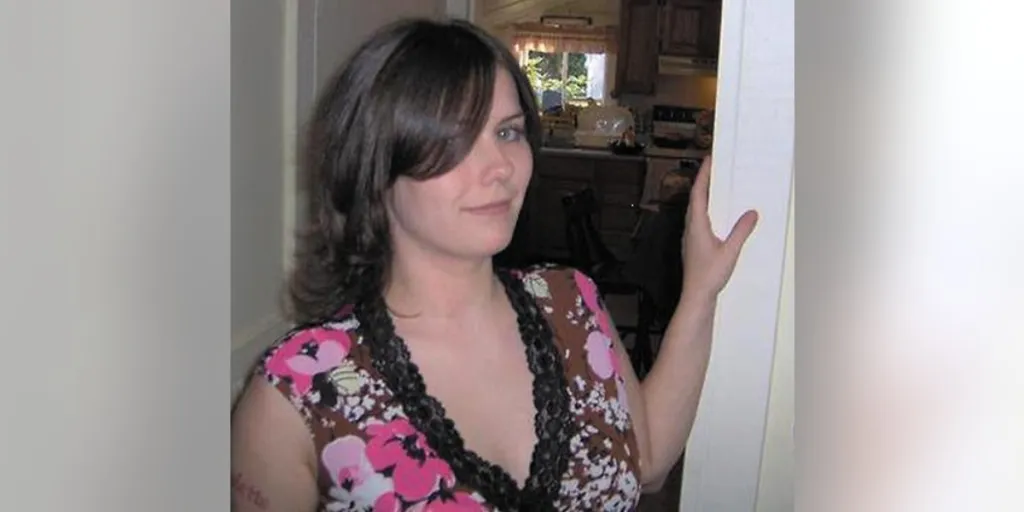
Maureen Brainard-Barnes

Maureen Brainard-Barnes


The Netflix documentary powerfully highlights the chilling common threads connecting these women: their similar ages, their shared profession, and the deeply unsettling manner in which their bodies were found, wrapped in burlap and placed eerily close to one another. The series masterfully builds a picture of a discernible pattern, one that screamed of an unmistakably intentional, cold-blooded predator.

  • Is that portrayal grounded in devastating truth? Unquestionably. These four women, tragically known as the “Gilgo Four,” were indeed discovered within a short, haunting stretch of beach. Their shared profession and the heartbreaking circumstances of their disappearances strongly convinced law enforcement that a single, ruthless individual was responsible – a belief that has tragically persisted through more than a decade of complex, often frustrating, investigative twists.

More Victims, More Unanswered Questions

As the grim investigation into the Gilgo Beach murders expanded, more remains tragically surfaced along Ocean Parkway. These included Jessica Taylor and Valerie Mack—both sex workers whose partial remains had been found years earlier in different locations, now definitively linked to this desolate stretch of highway. The series also thoughtfully acknowledges several unidentified victims, including a tiny toddler and an Asian male, whose stories, heartbreakingly, remain largely untold and contribute to the profound layers of this ongoing mystery.

  • Did the docuseries sensationalize these discoveries? Not in the slightest. These additional findings are meticulously documented in official police reports and extensive media coverage. By the time the search concluded, authorities had uncovered the remains of an agonizing 11 individuals, scattered along a desolate stretch of road that, in time, began to feel like a graveyard. The inclusion of these additional victims accurately reflects the tangled, agonizing web that law enforcement has tirelessly worked to unravel for years, painting a full, albeit painful, picture.

Missteps, Missed Opportunities, and Mounting Frustration

One of the most damning and persistent themes woven through Gone Girls is its unflinching critique of how the case was handled in its crucial early stages. The documentary pulls no punches in exposing initial delays, bewildering jurisdictional confusion, and deep-seated dysfunction within Suffolk County’s law enforcement agencies. It vividly captures the mounting frustration and anguish of the victims’ families, many of whom felt dismissed, ignored, or worse, outright forgotten by the very system meant to protect their loved ones.

  • Was this criticism overstated, or painfully fair? Unfortunately, the criticism is demonstrably and tragically fair. The early investigation was significantly hampered by a slew of issues, most notably the egregious misconduct of then–Suffolk County Police Chief James Burke. He famously obstructed FBI involvement in the case, creating a wall of secrecy, and was later convicted and imprisoned for assault and conspiracy related to a cover-up.
  • Such internal chaos not only shattered public confidence but also, crucially, may have tragically delayed justice for these vulnerable victims. Various agencies struggled to truly coordinate their efforts, and with different jurisdictions overseeing distinct parts of the investigation, crucial evidence and leads may have heartbreakingly slipped through the cracks. It's no wonder the families felt abandoned in their desperate search for answers.

Enter Rex Heuermann: The Breakthrough that Sparked Hope

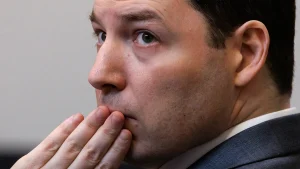
Fast-forward to July 2023, and after years of agonizing waiting, the Gilgo Beach murders case finally witnessed a monumental breakthrough. Rex Heuermann, a seemingly ordinary married Manhattan architect with a quiet home in Massapequa Park, was arrested and subsequently charged as a suspect in connection with the murders of at least three of the Gilgo Four.

The series dedicates significant, compelling time to this pivotal development, meticulously outlining how burner phone records, extensive internet searches, and a critical DNA match directly linked him to the very scenes of these heinous crimes.
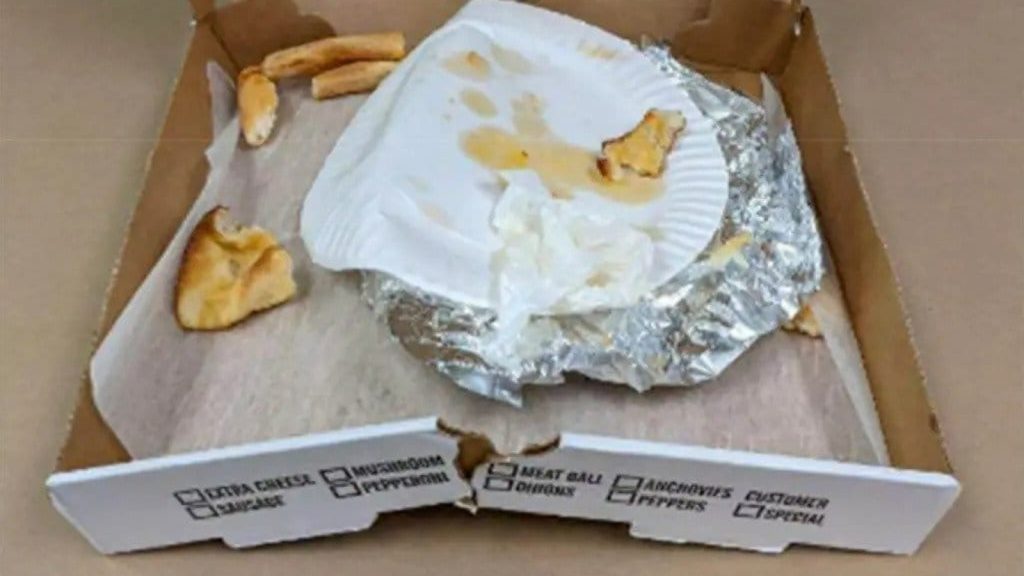
DNA match in pizza crust lead to Rex Heuermann's arrest in Gilgo Beach killings

DNA match in pizza crust lead to Rex Heuermann's arrest in Gilgo Beach killings


  • Does this hold up factually? Yes, and it's one of the most compelling and rigorously factual aspects of the real case. Investigators, never giving up hope, leveraged both painstaking old evidence review and cutting-edge new technology to meticulously track Heuermann. DNA from a discarded pizza crust was matched to a hair found on some of the victims, a truly chilling detail, and cell tower data placed burner phones associated with the crimes chillingly close to his home and office.
  • All these signs converged on him, and prosecutors are now building what they believe is a robust and unassailable case. While Heuermann has not yet been connected to all 11 victims found along Ocean Parkway, his arrest dramatically reignited public interest and, more importantly, offered the victims' families a profound sense of hope that, after all this time, justice might finally be within reach. The legal proceedings continue to unfold, with further charges possible as the investigation progresses, keeping the families on tenterhooks.

The Media, The Victims, and The Dangerous Narratives

The Netflix series doesn't shy away from a difficult, but necessary, critique of how the media initially covered the case. From the outset, many news outlets fixated, often relentlessly, on the victims’ profession as sex workers, frequently at the expense of portraying their full, vibrant humanity. Headlines often sensationalized their jobs, reducing them to one-dimensional caricatures rather than acknowledging them as daughters, sisters, mothers—real people with dreams, struggles, and loved ones.
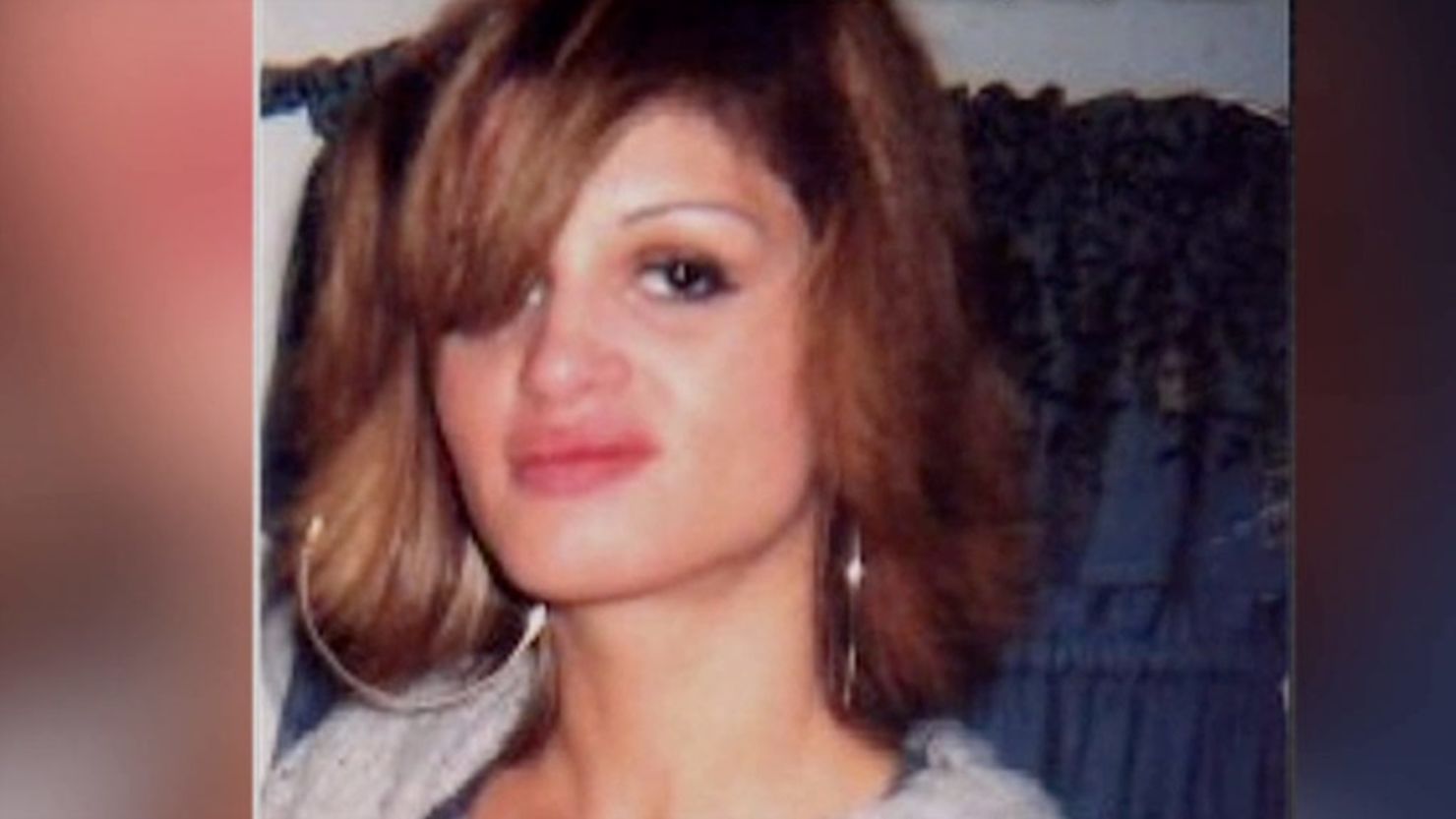
Shannan Gilbert

Shannan Gilbert


  • Was that criticism deserved? Absolutely, and unequivocally. The pervasive stigma surrounding sex work undeniably influenced both how the media reported on the case and, crucially, how law enforcement initially responded. In many respects, the public seemed less outraged, less engaged, and tragically less empathetic, simply because of who these victims were. This deeply problematic narrative fueled the tireless, fiery advocacy of individuals like Mari Gilbert—Shannan’s mother—who fiercely fought to ensure her daughter’s life was not dismissed, diminished, or defined solely by her profession.

The Families Who Refused to Be Silenced

One of the most powerful and enduring themes woven through Gone Girls is the unwavering, inspiring persistence of the victims’ families. Mari Gilbert, in particular, became an undeniable force of nature, a lightning rod for attention and advocacy. She tirelessly organized press conferences, marched on police headquarters, and publicly challenged officials, bravely forcing the case back into headlines time and again when it threatened to fade from public consciousness.

  • Was this portrayal true to life? Every single bit of it. Mari Gilbert became the very public face of a desperate movement for answers and accountability. Her tragic death in 2016 (she was killed by another daughter during a mental health crisis) did not silence the collective cries for justice; if anything, it amplified them. The families of the Gilgo Beach victims continue to speak out, demand transparency, and ensure that this harrowing story—and the precious lives it impacted—does not fade into the background again. Their resilience, their sheer refusal to give up, is a profound testament to their enduring love and their unwavering pursuit of truth.

So, Did Netflix Get It Right?

By and large—yes. While there's a degree of dramatic framing and some editing choices clearly designed to build suspense and keep viewers on the edge of their seats, the core narrative of Gone Girls: The Long Island Serial Killer aligns remarkably well with real-world events and established facts. The docuseries does a commendable job of guiding viewers through the profound complexities of the case without veering into undue sensationalism or speculative territory.

What truly distinguishes this series, and arguably makes it resonate so deeply, is its unwavering commitment to centering the victims and their families. This deeply human focus elevates the storytelling beyond typical true-crime fare, imbuing it with a raw, empathetic power that stays with you long after the credits roll.

Final Thoughts

Gone Girls: The Long Island Serial Killer is far more than just another true-crime binge; it serves as a powerful and poignant reminder of how easily certain lives can be overlooked, dismissed, or forgotten—and how profoundly impactful it is when determined individuals, fueled by love and grief, refuse to let that happen.

The documentary shines brightest when it allows the families to speak in their own voices, when it honors the victims' lives beyond their tragic endings, and when it unflinchingly holds systems accountable for their devastating failures and missed opportunities.

It's not perfect—no documentary truly is. But it is compelling, extensively researched, and, most importantly, deeply rooted in the truth of human struggle and hope. For anyone seeking to understand the intricate and haunting reality of the Gilgo Beach murders, it offers a clear, compassionate, and often chilling entry point into one of America’s most enduring and heartbreaking unsolved cases.

And if there’s one overarching message the series—and this entire harrowing case—makes crystal clear, it’s this: justice delayed doesn’t have to mean justice denied. Hope, even when fragile, can still light the darkest corners.


People Also Ask

  • What is the Gilgo Beach murders case? The Gilgo Beach murders refer to the heartbreaking discovery of human remains belonging to at least 11 individuals along Ocean Parkway in Suffolk County, Long Island, New York, beginning in December 2010. Many of the victims were young women working in sex services who vanished over several years, leaving families desperate for answers.
  • Who is Rex Heuermann? Rex Heuermann is a New York architect arrested in July 2023 and charged as a primary suspect in connection with the horrific murders of Melissa Barthelemy, Megan Waterman, Amber Costello, and Maureen Brainard-Barnes—four of the "Gilgo Four" victims. His arrest brought a glimmer of hope to a case that had haunted Long Island for years.
  • Is Shannan Gilbert a Gilgo Beach victim? While Shannan Gilbert's mysterious disappearance was the catalyst that led to the initial discovery of the Gilgo Beach victims, her own death was officially ruled by authorities as an accidental drowning, and not directly connected to the serial killer. However, her case remains profoundly central to understanding how this larger, tragic investigation ultimately unfolded.
  • How accurate is the Netflix show Gone Girls: The Long Island Serial Killer? The Netflix docuseries is largely accurate, faithfully portraying key events, highlighting police missteps, and powerfully showcasing the tireless, brave advocacy of the victims' families. While it uses some dramatic framing for narrative flow, the core facts presented align remarkably well with the known details of this complex case.
  • Why was the Gilgo Beach investigation so difficult for so long? The investigation was severely hampered by a tangle of jurisdictional complexities (with multiple police agencies involved), alleged misconduct by early lead investigators, a frustrating lack of consistent resources, and the societal stigma associated with the victims' profession, which tragically may have delayed initial public and police engagement.
  • Are there still unidentified Gilgo Beach victims? Yes, as of July 2025, several sets of remains found in the vicinity of the Gilgo Beach investigation, including a female toddler and an Asian male, heartbreakingly remain unidentified. The tireless investigation into all victims, and the search for answers, is profoundly ongoing.

Lawyer Monthly Ad
osgoodepd lawyermonthly 1100x100 oct2025
generic banners explore the internet 1500x300

JUST FOR YOU

9 (1)
Sign up to our newsletter for the latest True Crime Stories Updates
Subscribe to Lawyer Monthly Magazine Today to receive all of the latest news from the world of Law.
skyscraperin genericflights 120x600tw centro retargeting 0517 300x250

About the Author

Sam Fielding
Lawyer Monthly is a news website and monthly legal publication with content that is entirely defined by the significant legal news from around the world.
More information
Connect with LM

About Lawyer Monthly

Lawyer Monthly is a consumer-focused legal resource built to help you make sense of the law and take action with confidence.

Follow Lawyer Monthly