Understand Your Rights. Solve Your Legal Problems


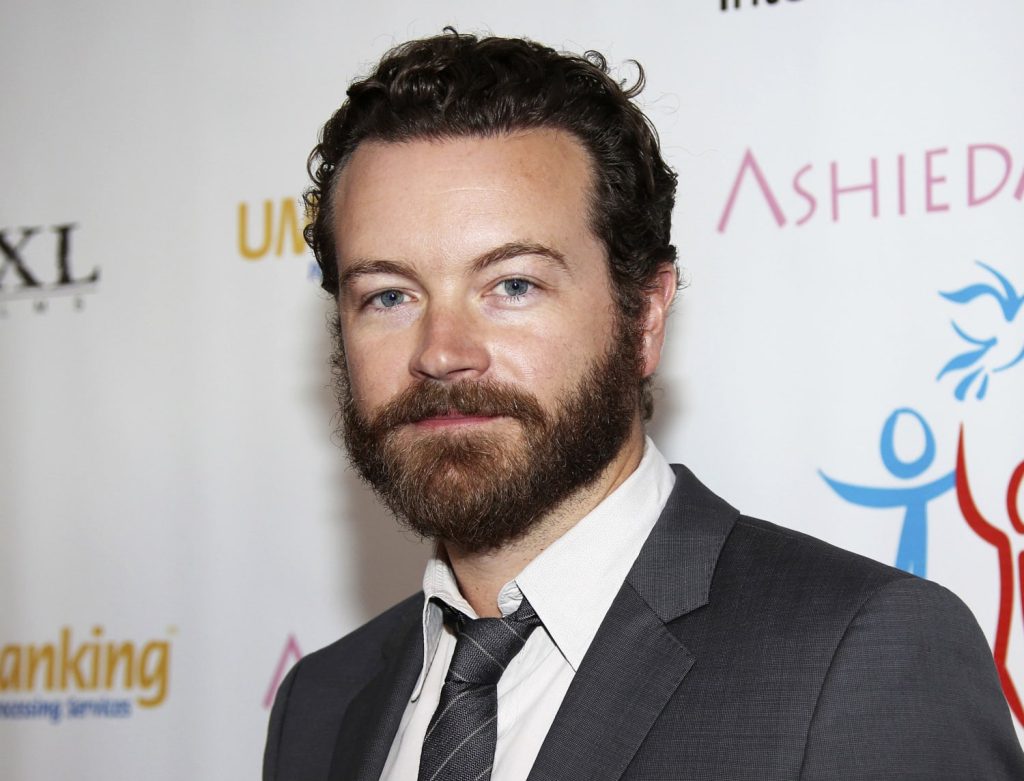
In a stunning fall from Hollywood grace, actor Danny Masterson, once a fixture of popular television, is currently serving a sentence of 30 years to life in prison. The conviction on three felony counts of rape marks a definitive and tragic end to a career that began in his childhood, evolving from a young model to a breakout star on That '70s Show.
The legal and personal fallout from Masterson's imprisonment has now intensified with a dramatic new step from his ex-wife, Bijou Phillips, who recently filed a petition to legally remove Masterson's surname from their daughter's identity. This latest move, a definitive break two years after his shocking conviction, is just one tragic reverberation of a dark, decades-long saga of sexual assault allegations that continues to captivate and shock the public today.
Danny Masterson launched his entertainment career at the age of four, swiftly moving from modeling to acting. By his early twenties, he was an industry veteran, landing key roles in TV series and films such as Beethoven's 2nd and the CBS series Cybill. Masterson achieved true stardom in 1998 as the rebellious, witty Steven Hyde on Fox's That '70s Show. This iconic role, which ran until 2006, cemented his status in pop culture, a status he leveraged for further roles in Men at Work and, notably, a reunion with former co-star Ashton Kutcher on Netflix's The Ranch.
This professional trajectory was abruptly derailed in December 2017 when Netflix fired him from The Ranch following multiple, serious sexual assault allegations that dated back to the early 2000s. The accusations signaled a turning point, marking the end of his visibility in mainstream Hollywood and the beginning of his public downfall.
The formal legal proceedings against Masterson began in June 2020 when he was charged with forcibly raping three women in separate incidents between 2001 and 2003, all alleged to have occurred at his home. The complex case, which necessitated a re-trial after an initial hung jury, culminated in a pivotal verdict in May 2023. A Los Angeles Superior Court jury found Masterson guilty of two counts of rape.
On September 7, 2023, Masterson was sentenced to an indefinite prison term of 30 years to life. Presiding Judge Charlaine F. Olmedo delivered a powerfully definitive statement during the sentencing, directly addressing the defendant's continued claims of innocence. Judge Olmedo stated, "Mr. Masterson, I know that you’re sitting here steadfast in your claims of innocence, and thus no doubt feeling victimized by a justice system that has failed you. But Mr. Masterson, you are not the victim here. Your actions 20 years ago took away another person's voice, and choice."
Currently incarcerated at the California Men's Colony, Masterson's legal team filed an Appellant's Opening Brief in January 2025 as part of his ongoing appeal process. The defence argues that "erroneous judicial rulings" and excluded exculpatory evidence compromised the fairness of his trial, maintaining their client's innocence and working toward his "complete exoneration." However, a judge denied Masterson bail pending this appeal in January 2024, citing concerns that the actor posed a flight risk given his lengthy sentence and recent personal developments.
Masterson's downfall has had immediate and devastating consequences on his family life. Actress Bijou Phillips filed for divorce on September 18, 2023, citing irreconcilable differences, just two weeks after his lengthy prison sentence was handed down. Phillips, who had initially stood by Masterson during the trial, has since been granted full legal and physical custody of their daughter, Fianna Francis.
The separation escalated into a powerful statement of finality with Phillips’s recent petition to legally change their daughter's name from Fianna Francis Masterson to Fianna Francis Phillips. This legal maneuver, filed in California Superior Court, is a clear act to distance her child from the stigma of the convicted felon's identity, symbolizing the profound personal cost of the criminal conviction.
Masterson's criminal conviction has also reopened a crucial civil lawsuit filed by four women against both the actor and the Church of Scientology, of which Masterson is a long-time member. The plaintiffs, all former Scientologists, allege that they were subjected to a targeted campaign of "aggressive harassment"—including stalking, surveillance, and emotional distress—after reporting the sexual assaults to the police. They claim the Church mobilized a policy known as "Fair Game" to silence and intimidate them.
The criminal trial brought to light several concerning allegations of interference, suggesting that the Church's tactics extended even to the prosecution and law enforcement. One prosecutor reported being targeted with break-ins, while detectives faced attempts to accuse them of misconduct. According to analysis reviewed by Lawyer Monthly, this complex civil case—which was placed on hold until the criminal proceedings concluded—now continues, bringing renewed attention to the Church's alleged role in enabling and protecting members accused of serious crimes.
Masterson's current reality is one of incarceration, with his former co-stars facing scrutiny for their previous support and his family now legally erasing his name. The complex legal battles are far from over, ensuring that the legacy of this celebrity convict remains intensely scrutinized.
Danny Masterson is currently incarcerated in a California state prison and is serving a sentence of 30 years to life after being convicted in May 2023 on two counts of forcible rape. His legal team has filed a formal appeal against the conviction. He is eligible for parole only after serving 25 and a half years of his sentence.
The Church of Scientology played a central, though indirect, role in the criminal trial. All three women who accused Masterson of rape (two of which led to his conviction) were members of the Church at the time of the alleged assaults, as is Masterson. The women testified that the Church's doctrine and officials actively discouraged and prevented them from reporting the alleged assaults to law enforcement for years. Expert testimony on Scientology's policies, particularly those involving reporting crimes by members, was allowed in the retrial, which prosecutors argued was key to explaining the delay in reporting. The Church has publicly denied having any policy that prohibits or discourages members from reporting criminal conduct to police.
Yes, the civil lawsuit is still active. Several of Masterson's accusers filed a civil suit against Masterson and the Church of Scientology, alleging years of stalking, harassment, and intentional infliction of emotional distress after they reported the assaults to police and left the Church. A Los Angeles Superior Court judge lifted a stay on the civil case after the criminal trial concluded, and a trial date has been set, scheduled to begin in September 2025.
"It is true, of course, that a defendant is not entitled to a perfect trial. He is, however, still entitled to a fair one... Danny Masterson received neither. Reversal is required." - Cliff Gardner (Danny Masterson's Appellate Attorney)
The most crucial legal takeaway from the Masterson case for the average person doesn't involve criminal procedure; it’s about a common, powerful tool used by big organizations—including churches, unions, and even fitness clubs—to keep disputes quiet: Mandatory Arbitration Clauses.
When the accusers in the Masterson case filed a civil lawsuit against him and the Church of Scientology for harassment, the Church initially argued that the case couldn't be heard in a public court. They claimed the accusers, as former members, were bound by a "religious arbitration" clause in their membership contracts, meaning the dispute had to be resolved internally, by a panel of Scientologists.
For you, the consumer, this is the core issue: Mandatory arbitration is a clause in countless contracts you sign, from your phone service to your employment. It typically waives your right to a jury trial and forces disputes into a private, non-public forum. When applied in the Masterson case, this essentially meant the accusers would be legally forced to settle allegations of criminal-adjacent behavior, like stalking and physical harassment, within the organization they were accusing.
The accusers successfully fought this legal barrier, arguing that their claims of stalking and emotional distress were secular, civil torts, and that forcing them into religious arbitration would violate their non-religious civil rights. Appellate courts sided with the accusers, effectively ruling that you cannot use an internal membership contract to shield an organization from civil liability for protecting or covering up harassment or criminal acts.
The legal consequence is profound: Your fundamental rights can outweigh the fine print. The decision affirmed that an organization's rules, even one with constitutional protections like a religion, do not grant a license to commit or facilitate civil harm against former members. The fact that the civil case against Masterson and the Church is now proceeding in public court for a 2025 trial date is a huge win for consumer accountability, establishing that membership contracts aren't an absolute shield.
This case provides a critical lesson:
To witness how Hollywood responded in real time to Masterson’s conviction, explore: 10 Celebrity Reactions to the Danny Masterson Verdict.